
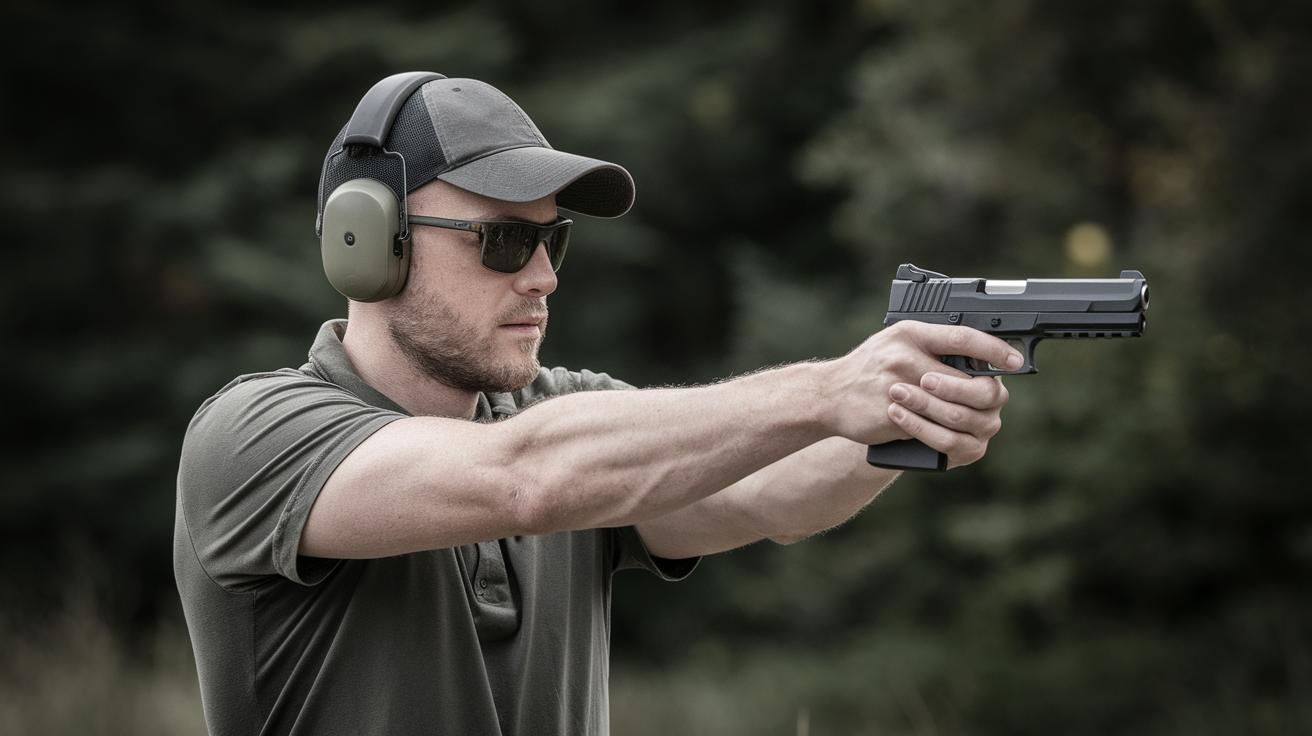
Beginners Guide: Getting into Guns
Venturing into the world of firearms can be a fulfilling journey, whether your interest stems from personal protection, hunting, or recreational shooting. This guide is designed to navigate the critical steps needed to responsibly and confidently own and operate a gun. From identifying your motivations and securing the necessary documentation to mastering firearm safety and complying with local laws, we cover everything you need to know. As a responsible gun owner, consistent practice and secure storage are vital. We also delve into the purchasing process, helping you make informed choices at the gun store. By following these guidelines, you’ll not only ensure your own safety but also contribute to a responsible gun-owning community.
Identify your reasons for wanting to purchase a gun
Before embarking on your journey into gun ownership, it’s crucial to reflect on your motivations. Are you interested in personal protection, hunting, competitive shooting, or collecting? Understanding your primary intention will help guide your decisions regarding the type of firearm to purchase and the necessary training or documentation required. Personal protection might lead you to consider handguns or shotguns, whereas hunting would necessitate a look at rifles or shotguns suited to your game.
Besides practical reasons, consider the moral and psychological readiness for gun ownership. Owning a gun is a serious responsibility that requires maturity and a commitment to safety. Reflect on how owning a firearm aligns with your values and whether you are prepared to handle the associated responsibilities. Understanding your intent ensures that your approach to gun ownership is informed and purposeful.
Secure any state or local documentation or firearms permits (where required)
Depending on your location, purchasing a firearm might require specific permits or documentation. Each state has different requirements, so it’s essential to familiarize yourself with the laws applicable to your area. This might include obtaining a firearm owner’s identification card or even specific permits for carrying a gun. Conduct thorough research or consult with local authorities to ensure you have the correct paperwork.
Failure to secure the necessary documentation can lead to legal issues and penalties. Start by visiting official government websites or consulting knowledgeable resources or community groups. Some regions may also require you to complete a training course or pass a background check before acquiring a firearm. Understanding and fulfilling these requirements upfront will streamline your purchasing process and establish a solid legal foundation for your gun ownership.
First and most importantly, Learn and follow the four rules of firearm safety
Firearm safety is paramount. Familiarizing yourself with the four cardinal rules will help prevent accidents and ensure the safety of yourself and others. These rules are: Treat every gun as if it’s loaded, never point a gun at anything you’re not willing to destroy, keep your finger off the trigger until you’re ready to shoot, and be sure of your target and what’s beyond it. Following these rules by heart will instill safe habits from the beginning.
Engage in formal training sessions conducted by certified instructors to gain hands-on experience in managing firearms safely. Practical training emphasizes the importance of discipline and precision, reinforcing the teachings of the safety rules. Continual education and practice are key in maintaining a safe environment, especially if you plan on using your firearm regularly.
Read and understand your firearm’s owner’s manual (gain accurate knowledge of how to operate your firearm safely)
Once you’ve chosen a firearm, the next step is to read and thoroughly understand the owner’s manual. This document is a crucial resource, offering detailed instructions on firearm operation, maintenance, and safety measures. Each firearm has its unique features and operating mechanisms, and understanding these details is key to leveraging its optimal performance and ensuring safety.
If the manual seems complex, do not hesitate to seek help from experienced gun owners or attend a workshop. Many gun shops and shooting ranges offer educational sessions that can further clarify and enhance your understanding. Familiarity with your firearm’s operations builds confidence and reduces the likelihood of accidents, securing both your safety and that of those around you.
Learn and follow your local gun laws
Gun laws are complex and vary significantly from one jurisdiction to another. As a responsible gun owner, you must remain informed about your local laws concerning firearm possession, transportation, and usage. Ignorance of these laws is no excuse and could result in severe legal repercussions, including fines, imprisonment, or both.
Stay updated by regularly checking government websites or joining local gun ownership associations. These groups often share legislative updates and provide resources to help members stay compliant with changing laws. Being proactive in understanding and adhering to these regulations establishes you as a responsible and informed member of the gun ownership community.
Practice regularly with your firearm
Regular practice is essential to becoming proficient with your firearm. Whether through professional training, practice at a local range, or controlled practice at home, frequent handling helps to instill crucial skills such as aim, control, and confidence. Developing muscle memory and familiarity with your firearm’s functionality reduces the chance of mishaps.
Consistency is key. Set a schedule that allows for regular practice sessions, focusing on different aspects such as accuracy, speed, and safety drills. Joining a shooting club can also offer opportunities to practice competitively, fostering a sense of community while refining your skills. Remember, practice doesn’t just make perfect—it also makes safe.
If you plan to carry concealed (CCW), learn the basic modes of carry (and your local carry laws)
If you decide to carry concealed, understanding the various modes of carrying a firearm and the laws governing them is crucial. Modes of carry include inside-the-waistband (IWB), outside-the-waistband (OWB), shoulder holsters, and ankle holsters, among others. Each has its advantages and disadvantages, and choosing the right one depends on personal comfort and legal compliance.
Concealed carry laws vary greatly by region and might dictate who can carry and where guns are not allowed (e.g., schools, government buildings). Attend courses specifically aimed at concealed carry to learn the nuances of different carrying positions and the associated legalities. Legal understanding combined with practical knowledge is vital for anyone considering concealed carry.
Secure your firearm when not in use
Safe storage of your firearm is one of your most important responsibilities. It protects against unauthorized access and accidents, especially in homes with minors. Consider options such as gun safes, lock boxes, or trigger locks to secure your firearm when it is not in use.
The goal is to create multiple layers of security, making it difficult for unauthorized individuals to access the firearm. A failure to properly secure your firearm not only poses a safety risk but could also result in legal consequences should it fall into the wrong hands and be misused. Commit to responsible storage practices as part of your duty as a gun owner.
Going to the gun store
Try before you buy, if possible
When purchasing your first firearm, trying out different models helps you make an informed decision. Many gun ranges offer rental services, allowing you to test and feel the features of various guns before buying. This experience provides insights into what best suits your comfort level and intended use.
Consider aspects like weight, grip, ease of use, and recoil. If direct testing isn’t possible, seek recommendations from experienced users or professionals. Investing time at this stage ensures that the firearm you choose fits both your needs and personal preferences, adding value to your purchase.
What documentation will you need to purchase a firearm?
Documentation requirements for purchasing a firearm generally include a valid identification, proof of residency, and any specific permits required by local laws. This paperwork verifies your eligibility to buy a gun and helps ensure that legal avenues are followed.
Research these requirements beforehand to streamline your purchasing experience. Keep all your documents organized and readily available when visiting a gun store. Adequate preparation prevents any surprise hurdles, making the process smoother and more efficient.
Do I need a background check?
In most locations, a background check is mandatory before purchasing a firearm. This process screens for factors such as criminal history or legal restrictions that might disqualify someone from gun ownership. The requirements and thoroughness of these checks vary by state and jurisdiction.
Understanding your eligibility in advance helps manage expectations and prepares you for potential outcomes. Complying with the legal requirements for background checks is both a legal obligation and an ethical commitment to safe gun ownership.
Summary of Main Points
| Step | Description |
|---|---|
| Identify Reasons | Determine why you want to own a gun to inform decisions. |
| Documentation & Permits | Secure necessary permits and documentation as per local laws. |
| Safety Rules | Learn the four rules of firearm safety to prevent accidents. |
| Understand Your Firearm | Read your firearm’s manual for safe and effective use. |
| Learn Local Gun Laws | Stay informed about and comply with local gun laws. |
| Regular Practice | Consistent practice builds skills, confidence, and safety. |
| Concealed Carry Preparedness | Understand carrying methods and legalities if planning to carry concealed. |
| Secure Storage | Secure your firearm when not in use to prevent unauthorized access. |
| Gun Store Visit | Try before you buy, ensure right fit, and secure legal purchase documentation. |
| Background Check | Mandatory in most areas to ensure legal compliance. |