
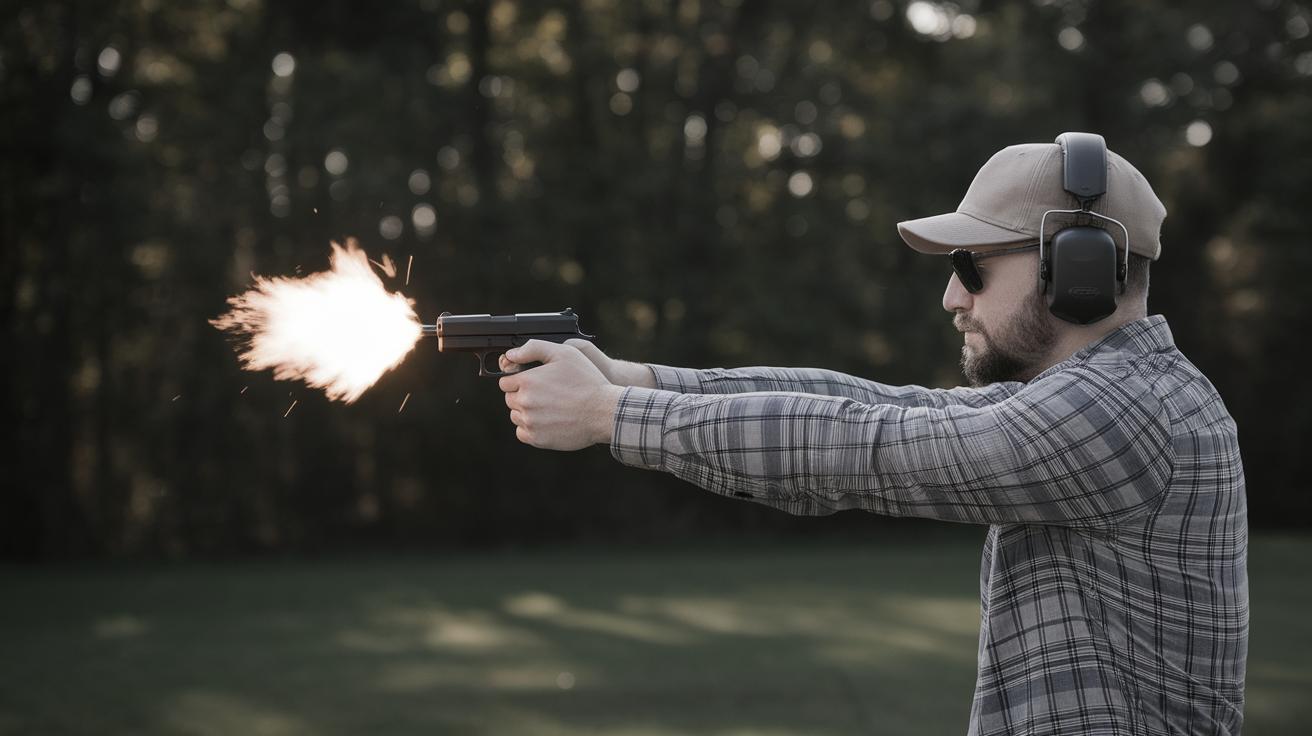
Mastering the Fundamentals of Handgun Shooting: Distance, Grip, and Precision
When learning the art of shooting a handgun, understanding how to properly position your body and maintain an effective grip is crucial. This guide will delve into the factors contributing to hand placement, the methodology involved in grip strength, and the importance of breathing while pulling the trigger. With a focus on critical aspects such as two-handed grip and opposite forces, we aim to cultivate a strong foundation in shooting accuracy and safety. As you journey through this comprehensive exploration, you’ll gain insights that make handling a firearm a more intuitive and controlled experience. The ultimate objective is to render yourself more comfortable and confident, enhancing both your technique and enjoyment in the process.
Important
The fundamental importance of how far a handgun should be held from the body cannot be overstated. It is the cornerstone of safety, control, and accuracy in shooting. A proper presentation of the firearm, both in terms of distance and alignment, ensures that the shooter remains balanced and ready to engage the target effectively. Holding a handgun at the correct distance helps distribute recoil, reducing strain and maintaining shooting accuracy.
Additionally, arm positioning and distance contribute significantly to muscle memory development. By consistently holding the firearm at the optimum range, shooters can train their muscles to automatically assume the right posture, leading to improved performance during high-pressure situations. This fundamental concept is applicable to both beginners and seasoned shooters, reinforcing the notion that sound techniques are timeless in safeguarding precision and control.
Use Two-handed Grip
A two-handed grip is widely recognized as one of the most effective and controlled shooting techniques. This grip involves using your dominant hand to hold the handgun while your support hand wraps around it, providing additional stability. This synergy between the hands helps manage recoil more effectively, allowing for quicker follow-up shots and better overall control.
With a two-handed grip, the shooter maximizes contact with the firearm, which reduces lateral movement and enhances aiming precision. By practicing a consistent two-handed grip, shooters establish a strong platform that minimizes the impact of external variables, leading to more reliable shooting outcomes. This grip technique is essential for both novice and experienced shooters aiming for enhanced accuracy and confidence on the range.
Find the Right Grip Strength
Grip strength plays a pivotal role in controlling a handgun’s recoil and maintaining accuracy. Too much pressure may lead to hand fatigue and impaired shooting performance, while too little grip can cause the firearm to shift unexpectedly upon discharge. The key lies in finding the right balance—firm enough to control movement, yet relaxed enough to ensure fluidity.
To determine the optimal grip strength, focus on distributing pressure evenly between your hands. The dominant hand should have a tighter grip, while the support hand applies enough pressure to stabilize the firearm. Regular practice and self-awareness will aid in fine-tuning grip strength, improving comfort and performance on the range.
Place One Hand Under the Other
Another critical element in handgun handling is the placement of the support hand under the dominant one. The support hand should create a platform that cradles the dominant hand, forming a stable foundation that supports the firearm’s weight and counters recoil.
This technique not only enhances stability but also encourages a natural and consistent alignment of the sights on the target. Proper placement of the support hand under the dominant hand ensures that the shooter’s arms and shoulders absorb the bulk of the recoil, improving accuracy and control. It’s a technique that, once mastered, becomes second nature and crucial for accurate shooting.
Use Opposite Forces
Utilizing opposite forces is a technique that involves applying pressure in different directions with each hand. While the dominant hand pushes forward on the gun, the support hand pulls back, creating a dynamic tension that stabilizes the firearm.
This method of utilizing opposing forces helps counteract muzzle rise during firing and improves shooter control. When executed properly, this technique reduces shot dispersion and enhances accuracy, enabling more effective shooting during rapid fire or stressful situations.
Top of the Barrel Up, Bottom of the Handle Down
The barrel and handle orientation is critical to efficient handgun handling. Keeping the top of the barrel slightly up and the bottom of the handle pointing down aligns the firearm with your natural point of aim, encouraging faster target acquisition.
This positioning not only aids in aiming but also assists in recoil management, as it naturally positions the body to resist backward force. Incorporating this orientation into your shooting technique will lead to smoother operation and increased accuracy in varied shooting scenarios.
Control Your Breathing
Breath control is an often-overlooked aspect of shooting precision. Steady and consistent breathing helps maintain stability and focus, reducing the likelihood of involuntary movements that can affect shot placement.
Before firing, take a deep breath and exhale slowly, timing your shot at the natural pause. This technique minimizes body movement and enhances concentration, leading to more accurate shots. Regular practice of controlled breathing in conjunction with shooting will ultimately improve your marksmanship.
Pull the Trigger Slowly
The act of pulling the trigger should be a smooth and deliberate process, free from jerking or abrupt movements. A slow, steady squeeze ensures the firearm remains on target and the shooter maintains control over the event of firing.
Trigger control is a quintessential skill that affects accuracy significantly. Practicing gradual trigger pulls will cultivate muscle memory and improve overall shooting precision. Over time, this subtle art of trigger manipulation becomes intuitive, vital for consistent shot placement.
Final Thoughts on How to Hold a Handgun
In the realm of handgun shooting, understanding and mastering the fundamental techniques of presentation, grip, and trigger control are essential. Each component contributes to a holistic approach that ensures safety, precision, and confidence—core traits of a competent shooter.
As you continue to refine these skills, remember that consistency and practice are key to improvement. Embrace ongoing learning and adaptation, as these will further develop your capabilities and enjoyment of shooting sports.
1 comment
User123:
This guide really helped improve my grip and accuracy. Thanks for the tips!
Leave a comment
Lessons Learned: Overview of Handgun Handling Techniques
| Technique | Key Points |
|---|---|
| Distance from Body | Ensures balance and control, aids in recoil management. |
| Two-handed Grip | Provides stability, improves accuracy and control. |
| Grip Strength | Balance firm hold and relaxation for optimal control. |
| Hand Placement | Support hand under dominant hand increases stability. |
| Opposing Forces | Push-pull technique enhances firearm stability. |
| Barrel & Handle Orientation | Natural alignment aids in recoil management and aim. |
| Breath Control | Steady breathing promotes stability and focus. |
| Trigger Pull | Slow, deliberate squeeze maintains target alignment. |