How Far Should You Hold a Handgun from Your Body
In the world of firearms, proper handling of a handgun is crucial for safety, accuracy, and efficiency. Understanding how far to hold the gun from your body, amongst other techniques, plays a critical role in achieving optimal performance. This blog post delves into the fundamental aspects of holding a handgun, covering essential grips and techniques that ensure not only your safety but also enhance your shooting skills. From adopting a two-handed grip to controlling your breathing and mastering the art of slowly pulling the trigger, we provide a comprehensive guide for beginners and seasoned shooters alike. By the end of this post, you’ll have a solid understanding of how to handle a handgun correctly, ensuring precision and control in every shot.
Use Two-handed Grip
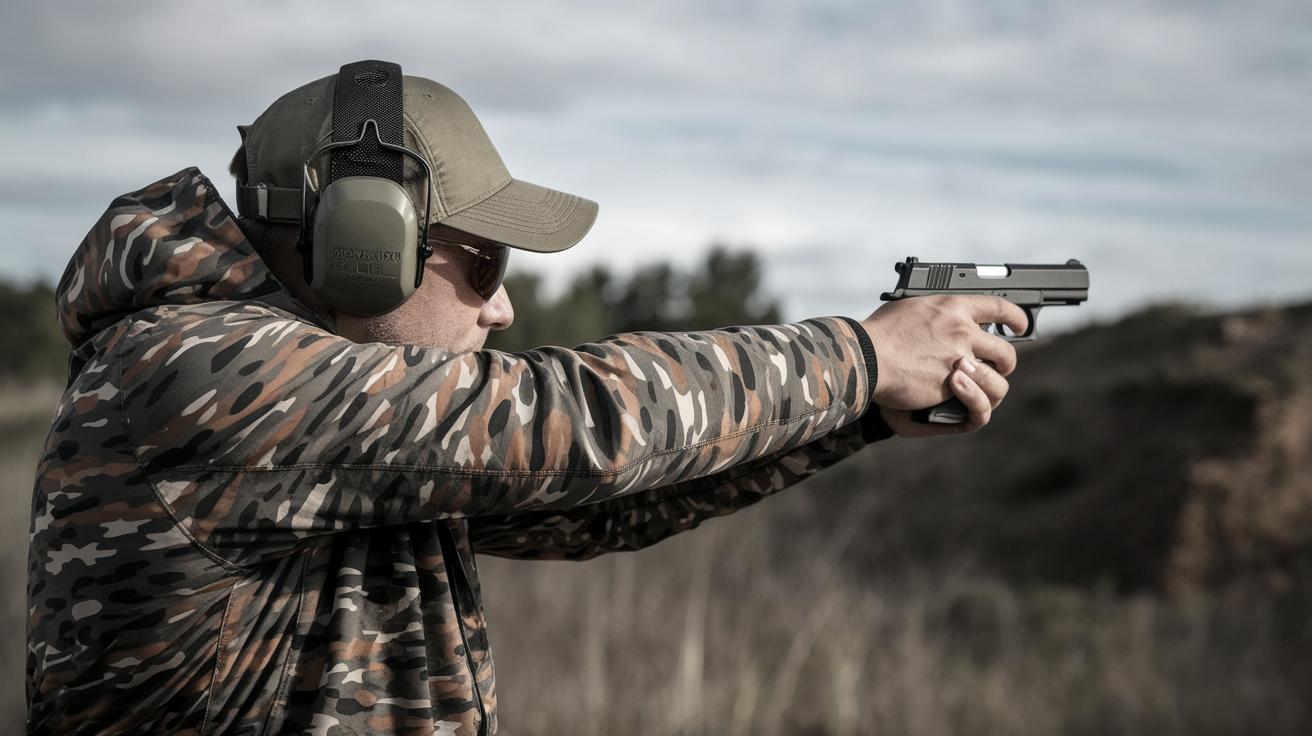
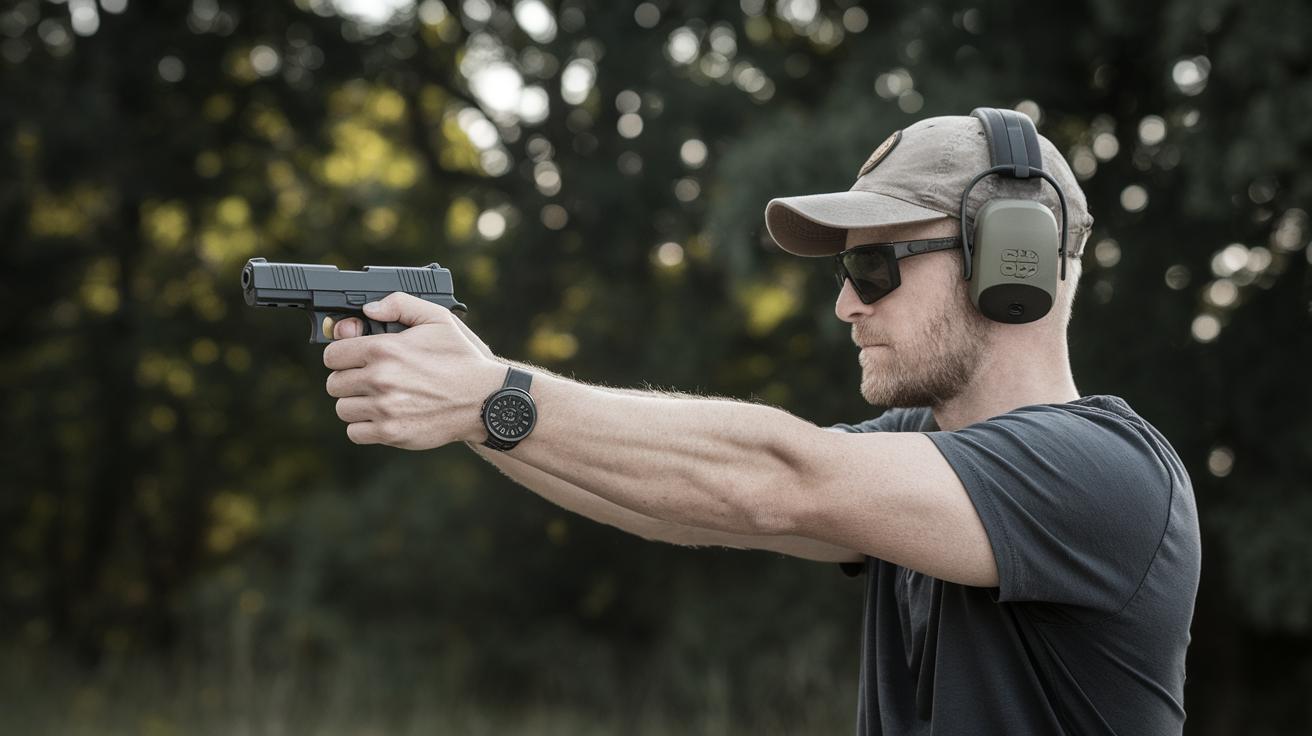
The two-handed grip is vastly considered the most effective way to handle a handgun due to the increased stability and control it offers. When using a two-handed grip, ensure that your dominant hand is holding the firearm firmly while your non-dominant hand provides additional support. This combined effort allows for a more secure hold, reducing the chances of recoil interference and enhancing your aim.
A two-handed grip evenly distributes the weight of the handgun, minimizing the strain on your arms and allowing you to maintain focus on your target. Practice consistently to develop muscle memory, which will aid in instinctively adopting this grip when shooting under pressure or in quick succession.
Find the Right Grip Strength
Grip strength plays a crucial role in managing recoil and maintaining control over the handgun. A common mistake is holding the firearm too tightly, which can lead to muscle fatigue and a decrease in shooting accuracy. Instead, aim for a firm yet relaxed grip where the pressure is evenly distributed across your hand and fingers.
Experiment with different grip pressures during practice sessions to find the ideal strength that offers control without causing unnecessary strain. Over time, muscle conditioning will improve, and you’ll naturally find the right balance to keep your shots steady.
Place One Hand Under the Other
The placement of your hands is critical for creating a unified structure when holding a handgun. Position your non-dominant hand under the dominant hand, wrapping the fingers securely around the support hand’s palm. This technique stabilizes your hold, reduces any sideways movement, and helps with recovering from recoil more effectively.
By anchoring your non-dominant hand under the other, you strengthen your shooting posture and ensure that the muzzle stays aligned with your target, allowing for faster and more accurate follow-up shots.
Use Opposite Forces
Employing opposite forces is an advanced technique that enhances control over your handgun, especially during recoil. This involves applying forward pressure with your dominant hand while pulling back with your non-dominant hand, creating a counterbalance that stabilizes the gun.
This method helps in maintaining the firearm’s position after each shot, allowing for quicker re-aiming. Practicing this technique will significantly improve your shooting performance and enable more precise shot placement.
Top of the Barrel Up, Bottom of the Handle Down
Holding the handgun with the top of the barrel pointed slightly upwards and the bottom of the handle angled downwards can help manage recoil and improve accuracy. This position allows for better muzzle control, ensuring that shots are less likely to go astray after each round.
Balancing the angle of the gun is vital, as too much tilt in either direction can cause misalignment. Practice this stance to maintain a steady aim, keeping shots predictable and minimizing target missing chances.
Control Your Breathing
Proper breathing techniques can greatly enhance your shooting stability. Controlling your breathing prevents unnecessary movement, which can affect your aim. Inhale deeply, hold your breath for a brief moment, and exhale slowly as you align your sights.
Breathing in this manner not only increases oxygen flow to your muscles but also adds a rhythm to your shooting pattern, helping you synchronize your trigger pull with your breath for maximum accuracy.
Pull the Trigger Slowly
Trigger discipline is the cornerstone of accurate shooting. A slow and steady pull will prevent the sudden jarring movement that can throw off your aim. Ensure that your finger applies even pressure on the trigger, with a smooth increase until the shot breaks.
Developing this skill requires practice and patience. Regular dry-firing exercises can help perfect your trigger pull technique, leading to improved shooting performance over time.
Final Thoughts on How to Hold a Handgun
| Technique | Description | Benefits |
|---|---|---|
| Two-handed Grip | Use both hands to stabilize the handgun. | Increased control and reduced recoil. |
| Proper Grip Strength | Find a firm yet relaxed grip pressure. | Improves accuracy and reduces muscle fatigue. |
| Hand Placement | Place non-dominant hand under the dominant hand. | Enhances stability and reduces sideways movement. |
| Opposite Forces | Apply forward and backward pressure simultaneously. | Improves recoil management and aim recovery. |
| Barrel and Handle Angle | Adjust the angle for better muzzle control. | Minimizes target missing chances. |
| Controlled Breathing | Regulate breathing to prevent movement. | Enhances shooting stability and accuracy. |
| Slow Trigger Pull | Apply gradual pressure on the trigger. | Prevents jarring movements and improves accuracy. |
1 comment
John Doe:
This article provided great insights on handgun handling. I found the section on controlled breathing particularly useful!
Leave a comment