How to Properly Hold a Gun: A Comprehensive Guide
Learning to properly hold a gun is an essential skill for anyone interested in shooting, whether for sport or self-defense. A correct grip not only ensures safety but also improves accuracy and control. In this blog post, we will walk you through the foundations of properly holding a gun, exploring techniques such as gripping with both hands, applying the right grip strength, placing one hand under the other, and utilizing opposite forces. We will also cover aligning the gun’s barrel correctly, controlling your breathing, and smoothly pulling the trigger. By understanding and applying these steps, you’ll be equipped with the knowledge to handle a handgun safely and effectively.
Use Two-handed Grip
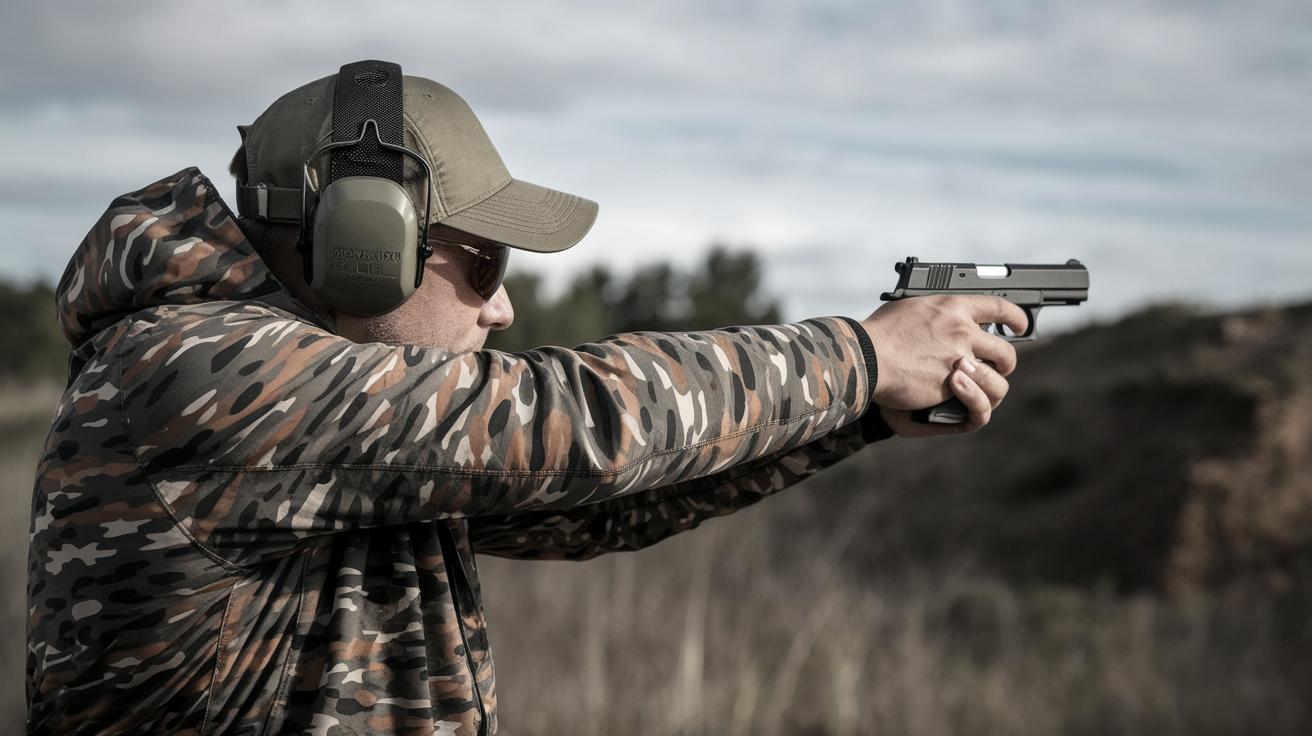
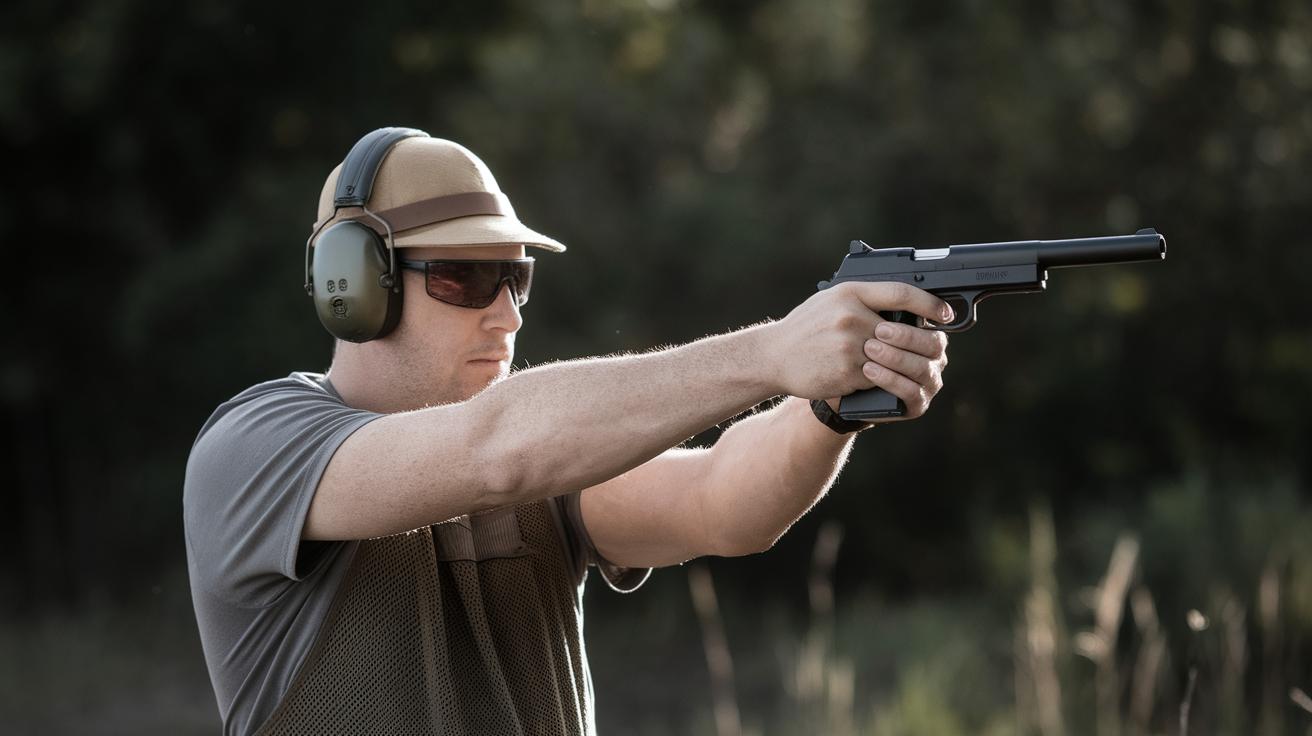
The two-handed grip, also known as the isosceles stance, is one of the most stable and effective ways to hold a gun. This grip distributes the gun’s recoil between both hands, allowing for better control. When employing this grip, ensure that both hands are positioned firmly on the gun handle, with the thumbs pointing forward along the side of the gun frame.
The positioning of your hands is crucial. Your dominant hand should be high on the backstrap to maintain control, while your non-dominant hand should wrap around the fingers of your dominant hand. The grip should be firm but relaxed, preventing unnecessary tension that may impede precision. Remember to keep your wrists locked to reduce muzzle flip.
Find the Right Grip Strength
Grip strength plays a significant role in how well you can control a handgun. A grip that’s too tight can lead to quick fatigue, reduce dexterity, and exacerbate the effects of recoil. Conversely, a grip that’s too loose may cause the gun to shift in your hands, impacting your aim and stability.
To find the right balance, focus on holding the gun securely yet comfortably. A good rule of thumb is to exert a squeeze as if you are shaking someone’s hand firmly but not crushing it. Practicing regularly can help you develop muscle memory, resulting in a consistent and effective grip.
Place One Hand Under the Other
To stabilize the gun further, place your non-dominant hand under the dominant hand. This method creates a buffer, mitigating the movement generated by the gun’s recoil. By resting one hand under the other, you create an anchor that absorbs and distributes the shock evenly.
Moreover, this placement encourages a steady aim by aligning your arms in a parallel manner, turning your body into a more solid base. Ensure your elbows are slightly bent to naturally withstand recoil and keep a firm yet flexible posture for mobility and quick follow-up shots.
Use Opposite Forces
Utilizing opposite forces is a technique used to increase precision and control when holding a handgun. This involves applying forward pressure with your dominant hand while simultaneously pulling back slightly with your non-dominant hand. This dynamic tension helps stabilize the firearm.
This counterforce approach enhances your grip stability and absorbs recoil more efficiently. By working these forces against each other, you’ll maintain a steady aim and reduce muzzle rise after firing. Practicing this technique at the range will allow you to adjust for optimal performance in various scenarios.
Top of the Barrel Up, Bottom of the Handle Down
Proper alignment of the gun’s barrel is crucial for accuracy. Always ensure the top of the barrel points up while the bottom of the handle points down. This alignment allows for a natural point of aim, reducing the time it takes to zero in on your target.
By adjusting the tilt of your wrists and focusing on maintaining a straight line from the barrel to your target, you can ensure better precision. Practicing dry fire drills and live rounds at the range can help internalize this alignment for consistent accuracy.
Control Your Breathing
Breath control is an often overlooked but essential component of proper gun handling. Your breathing patterns can significantly affect your aim and accuracy, with erratic breathing causing unnecessary movement. Focus on controlling your breath during shooting.
Take a deep breath and exhale halfway or hold your breath gently just before pulling the trigger. This practice helps minimize body movement and ensures your arm remains steady. Regular practice will help develop a natural synchronization between breath and trigger control.
Pull the Trigger Slowly
Squeezing the trigger slowly and steadily is vital for maintaining control over the gun and ensuring accuracy. Rapid or jerky trigger pulls can result in missed shots and compromised safety. Instead, focus on a gentle, continuous pressure until the gun discharges.
This approach, known as trigger discipline, promotes safety and precision. Dry fire exercises, where you practice trigger pulls without live ammunition, can help you develop the habit of slow and controlled squeezing, leading to improved accuracy on the range.
Final Thoughts on How to Hold a Handgun
Mastering the proper grip and technique for holding a handgun can significantly enhance your shooting skills and safety. By incorporating the two-handed grip, finding the right grip strength, correctly positioning your hands, and using opposite forces, you build a solid foundation for control and precision.
Coupled with correct barrel alignment, controlled breathing, and slow trigger pulls, these techniques collectively lead to improved accuracy and more responsible firearm handling. Consistent practice and dedication will help these methods become second nature, equipping you with the skills to handle a handgun effectively in any situation.
1 comment
John Doe: “Great article! As someone new to shooting, these tips on grip and control are incredibly helpful. Excited to put them into practice.”
Leave a comment
Future Prospects for Gun Handling Skills
| Technique | Key Points |
|---|---|
| Use Two-handed Grip | Ensures stability and control; Position hands firmly and high on the backstrap. |
| Find the Right Grip Strength | Balance between too tight and too loose; Practice for muscle memory. |
| Place One Hand Under the Other | Creates stability and absorbs recoil; Align arms for a solid base. |
| Use Opposite Forces | Apply dynamic tension for stability; Reduce muzzle rise. |
| Top of the Barrel Up, Bottom of the Handle Down | Ensure barrel alignment for improved accuracy. |
| Control Your Breathing | Steady breathing minimizes movement; Sync breath with trigger control. |
| Pull the Trigger Slowly | Promotes safety and precision; Focus on gentle, continuous pressure. |