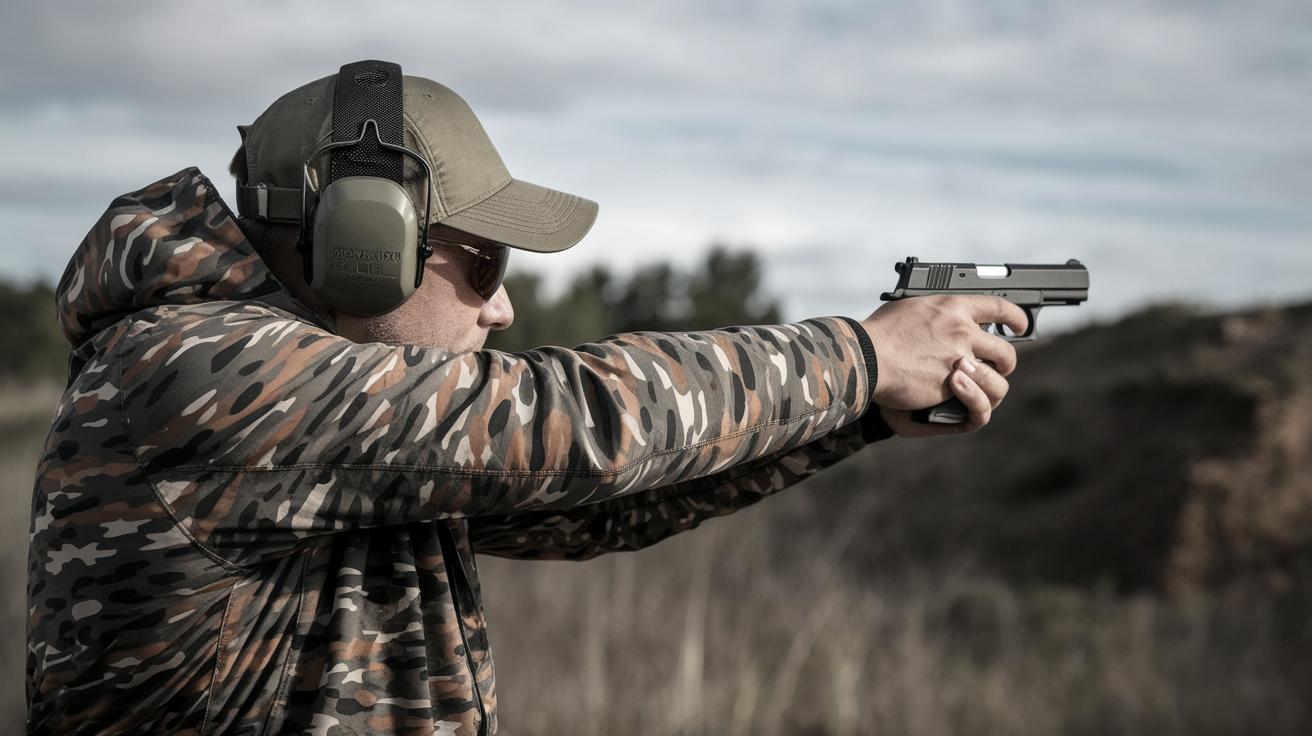
Mastering Trigger Pull for Precision Shooting
Shooting accurately with a rifle or handgun demands more than just steady hands and keen eyesight; it requires a mastery of trigger pull. This blog post delves into the key fundamentals essential for a precise shot. We’ll explore the importance of proper finger placement, the role of anticipation, and the critical nature of follow-through. Furthermore, we’ll discuss techniques to practice and perfect trigger pull, ultimately making it your competitive edge. From understanding these crucial elements to integrating them into your shooting routine, this guide aims to elevate your shooting accuracy while fostering a deeper appreciation of the craft. Let’s embark on this journey of precision shooting and unravel the secrets behind an impeccable trigger pull.
Four Fundamentals for an Accurate Rifle Shot
Proper Finger Placement
Proper finger placement on the trigger is the cornerstone of achieving a precise shot. Ensuring your finger sits correctly on the trigger enhances both control and sensitivity, allowing for smoother and more deliberate pulls. The most common advice is to place the pad of the finger, rather than the joint, on the trigger. This position minimizes lateral pressure that can inadvertently cause the barrel to move left or right, affecting accuracy.
Additionally, it’s crucial to align the rest of your fingers correctly on the grip. A consistent grip that supports the trigger hand without unnecessary tension helps in maintaining the focus needed for a clean shot. Being mindful of these small aspects of finger placement can transform the quality of your shooting and reduce mishits attributed to incorrect finger alignment.
It’s OK to Anticipate the Shot
Anticipating the shot, contrary to old beliefs, can be advantageous if managed properly. Shot anticipation usually connotes flinching or jerking the firearm, but when you anticipate correctly, it instead prepares you mentally for the upcoming recoil and bang. This mental preparation helps in retaining consistency and control.
Experienced shooters often use anticipation to their advantage by incorporating it into their shooting rhythm. Understanding the cycle of firing and preparing for the next shot rather than fearing or resisting the anticipation can help maintain composure and concentration during shooting. Embrace the anticipation as part of your shooting discipline, and it becomes an ally rather than an adversary.
Follow-Through and Trigger Pull
Follow-through is a critical aspect of shooting that is oftentimes overlooked by beginners. It refers to maintaining the same shooting form and focus until the bullet exits the barrel entirely. This involves not just the physical action but also maintaining mental discipline after pulling the trigger.
The continuation of cam control after the trigger pull ensures that any slight movement is counteracted, maintaining the aim and preventing deviation. This kinetic consistency means that the shooter is less likely to jerk or flinch, leading to a much higher degree of accuracy. Follow-through should seamlessly integrate with trigger pull as one fluid motion for optimum precision.
Practice Trigger Pull
Mastering trigger pull requires consistent and deliberate practice. Dry firing, which is practicing trigger pull without live ammunition, is a recommended method for honing this skill. It allows shooters to train their muscles to pull the trigger smoothly and consistently without the distraction of recoil.
Incorporating routine trigger practice into your shooting regimen can greatly enhance muscle memory and improve overall shooting stability. Focused drills that simulate different shooting scenarios can build the confidence needed to handle different rhythms and speeds with ease, thus reinforcing precision in actual shooting conditions.
Make Proper Technique Your Edge
The application of proper technique differentiates skilled shooters from the rest. Developing an insightful understanding of finger placement, anticipation, follow-through, and trigger pull provides a competitive edge on the range or in the field. It goes beyond mechanics to develop a mindset actively engaged with the discipline of shooting.
As shooters, evolving techniques should be part of an ongoing journey to refine skill sets. Education and practice must go hand in hand to ensure sustained proficiency. Committing to proper technique is not just about improving accuracy, but also about fostering confidence, ensuring safety, and enhancing the overall shooting experience.
Glossary
Trigger Pull:
The action involved in pressing the firearm’s trigger to fire a shot.
Follow-Through:
The continuation of actions and mental focus until the projectile has left the barrel.
Dry Firing:
Practicing shooting without using live ammunition to improve trigger control.
B.R.A.S.S.
B.R.A.S.S. is an acronym that provides a helpful mnemonic for remembering the core principles of firing a shot effectively:
Breathe, Relax, Aim, Slack (on the trigger), and Squeeze (the trigger).
This strategy highlights the importance of maintaining calmness, aiming with precision, and executing a controlled trigger pull.
By incorporating B.R.A.S.S. into your training regimen, shooters can develop a systematic approach to managing the physical and mental aspects of shooting. This method ensures consistency and relaxation, which are critical for achieving the desired level of accuracy and enhancing the shooting experience overall.
Future Prospects
In summary, the pathway to becoming a proficient shooter is paved with attention to detail, practiced techniques, and a mindset tuned towards precision. Embracing these principles of trigger control and follow-through can empower shooters to unlock their potential. The ongoing commitment to improvement through practice and education presents future opportunities to excel in the shooting disciplines. Below is a concise summary of the key points covered.
| Topic | Summary |
|---|---|
| Finger Placement | Ensures control and minimizes barrel movement. |
| Anticipation | Prepares mentally for the shot, enhancing consistency. |
| Follow-Through | Maintains focus and form until the shot is complete. |
| Practice | Regular drills refine technique and build muscle memory. |
| Technique | Proper methods lead to confidence, safety, and accuracy. |
| Glossary | Defines key terms relevant to shooting proficiency. |
| B.R.A.S.S. | An effective acronym to aid shooting consistency. |