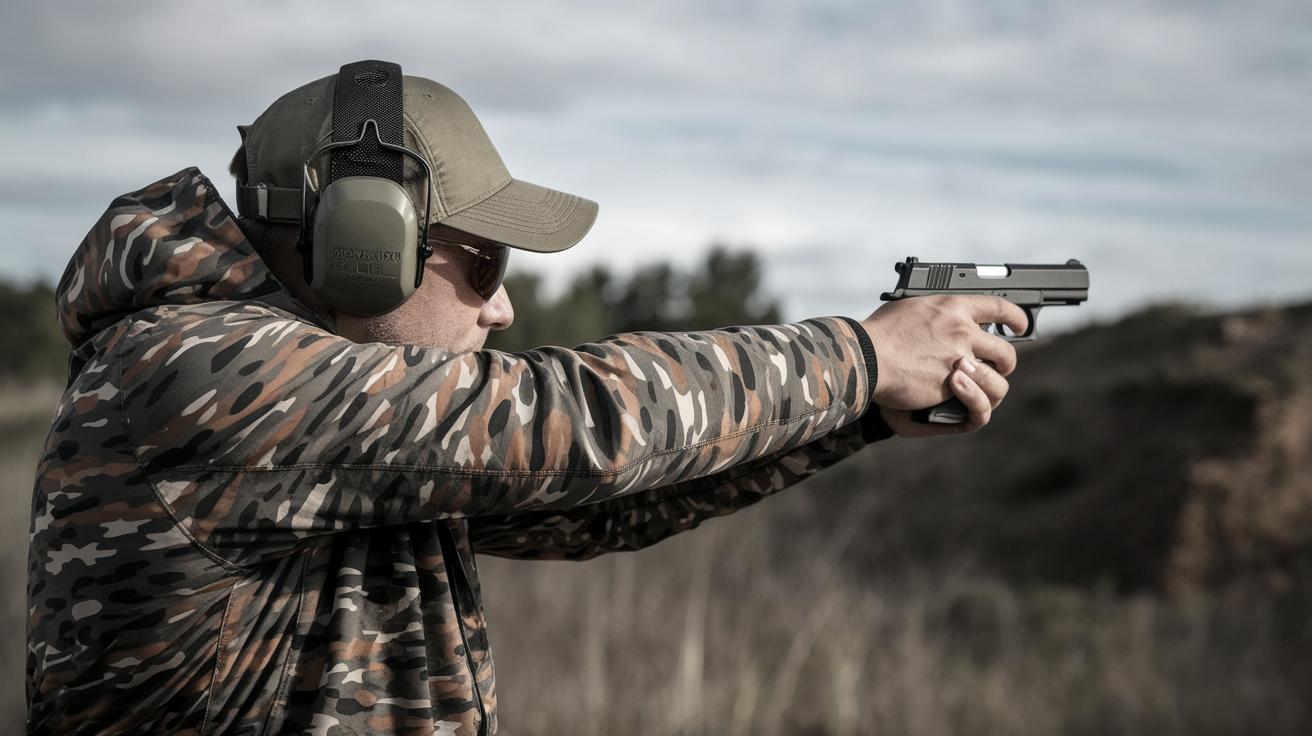
Mastering the Trigger: Achieving Accuracy in Rifle and Handgun Shooting
Shooting a rifle or handgun with accuracy is an art that combines skill, patience, and the correct techniques. Among these, mastering the trigger pull is crucial for ensuring your shots hit the target. This post explores the optimal way to pull the trigger for an accurate shot, covering fundamental aspects like proper finger placement and practicing the right techniques. By delving into the core principles of shooting and understanding key acronyms such as B.R.A.S.S., you’ll gain insights and strategies to refine your trigger discipline. We’ll also include a glossary to clarify important terms. Whether you’re a seasoned shooter or a beginner, this guide aims to sharpen your skills and enhance your shooting precision.
Four Fundamentals for an Accurate Rifle Shot
Proper Finger Placement
Proper finger placement is critical when pulling the trigger for an accurate shot. Ideally, the pad of your index finger should rest on the trigger, ensuring that you can pull straight back without pushing the weapon to the side. This minimizes the chances of shifting the rifle or handgun’s aim upon releasing the shot, maintaining alignment with the target.
Training your finger to find the correct placement may require conscious practice. It’s essential to avoid wrapping too much finger around the trigger or using just the tip, as these habits can lead to uneven pressure and disrupt your accuracy. Develop a consistent approach by initially practicing with dry firing, ensuring your placement becomes second nature before heading to the range.
It’s OK to Anticipate the Shot
A common myth in shooting accuracy is the notion that anticipating the shot will inevitably lead to flinching or jerking. However, understanding and embracing the anticipation can improve your control over the trigger pull. By acknowledging the anticipation, you can consciously practice maintaining a relaxed hold and steady aim.
Consciously feeling the anticipation allows shooters to manage their breath more effectively and maintain a calm mindset. This awareness can be refined through practice drills that focus on breath control and mindfulness. Over time, shooters can develop a familiarity with the sensation, reducing the tendency to flinch and enhancing overall consistency.
Follow-Through and Trigger Pull
Follow-through is just as important as the initial trigger pull. Ensuring that you maintain the trigger position until the shot has been fired and the bullet has left the barrel is crucial. This phase of the shot cycle helps in stabilizing your shooting posture and reduces the probability of influencing the shot post-discharge movement.
After firing, it is vital to keep your finger on the trigger and slowly release it only to the reset point. This practice, known as controlled trigger release, allows you to prepare efficiently for the next shot if necessary. Through consistent follow-through, shooters can maintain better control, making each shot purposeful and precise.
Practice Trigger Pull
Proficiency in trigger pull is forged through consistent practice. Dry firing is often recommended as a method to ingrain muscle memory without the distraction of recoil or noise. Focus on smooth, continuous motion, treating each pull as a repetitive exercise in consistency.
Visiting a shooting range regularly reinforces these practices under real-world conditions. Analyzing your target patterns during practice can identify issues or inconsistencies in your technique. Creating a routine of repetitive, deliberate practice is the pathway to becoming not just an accurate shooter, but a confident one.
Make Proper Technique Your Edge
Mastering proper technique is not about becoming a different shooter but becoming the best version of yourself. Understanding the nuances of trigger pull, from tactile feedback to mental sharpness, creates an edge in shooting proficiency.
Refining these techniques grants a competitive advantage, whether engaging in sport shooting, hunting, or self-defense. Continually evaluate your methods and adapt as necessary, seeking mentorship if required, to maintain an edge that translates to accuracy in every shot.
B.R.A.S.S.
B.R.A.S.S. is an acronym that stands for Breathe, Relax, Aim, Slack, Squeeze. This mnemonic device aids shooters by encouraging a systematic approach to shooting accuracy. Each component plays a factor, where controlled breathing supports aim steadiness, and relaxation alleviates tension that can alter precision.
Slack refers to taking up pre-travel on the trigger, ensuring the gun is pointed at the target when you begin your squeeze. The squeeze itself should be a smooth, deliberate action that surprises you when the shot breaks, completed without disturbing the gun’s alignment with the target. Embracing B.R.A.S.S. as part of your shooting discipline enhances focus and consistency.
Glossary
Accuracy: The degree of closeness of a measurement of a quantity to the actual (or accepted) value.
Flinching: An involuntary reaction to the firing of the gun that can result in a jerk or movement, impacting shot accuracy.
Dry Firing: Simulating the action of firing a gun without using live ammunition, often to practice trigger control.
Trigger Reset: The point in the trigger’s return travel where it is again set for another shot.
| Subject | Highlights |
|---|---|
| Proper Finger Placement | Use the pad of the index finger, avoid uneven pressure. |
| It’s OK to Anticipate the Shot | Manage anticipation with breath control and practice for consistency. |
| Follow-Through and Trigger Pull | Maintain trigger position post-shot for stabilization. |
| Practice Trigger Pull | Consistent practice, both dry and live, strengthens technique. |
| Make Proper Technique Your Edge | Continuously improve and adapt techniques for competitive advantage. |
| B.R.A.S.S. | Breathe, Relax, Aim, Slack, Squeeze for improved shooting discipline. |