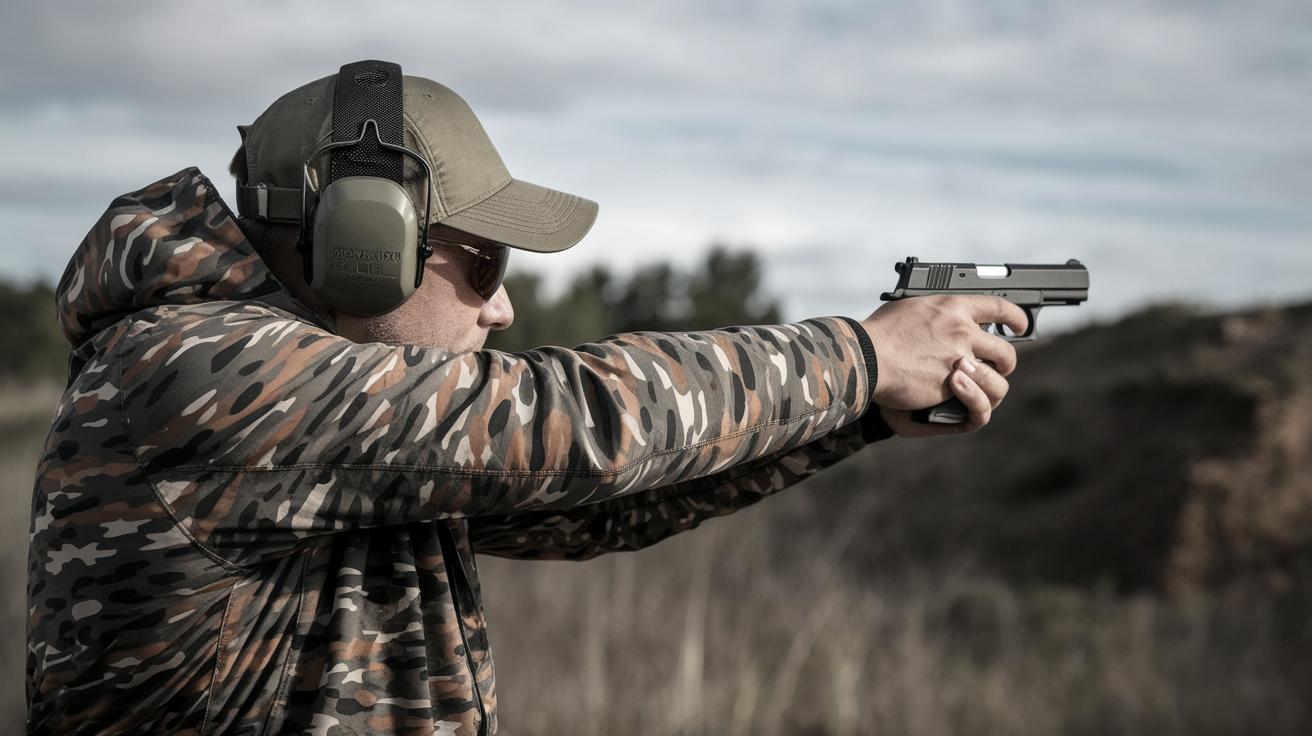
Mastering the Art of Aiming a Glock
Few pieces of equipment demand precision and skill like a handgun, and the Glock is no exception. Whether you’re new to shooting or seeking to refine your skills, understanding the proper techniques for aiming and firing a Glock ensures accuracy and safety. This article delves into various aspects of using this quintessential firearm, from mastering its sights to correcting common shooting errors. Here, you’ll find detailed instructions on how to hold a handgun effectively, tips for ensuring your shots hit the mark, and methods to solve issues commonly encountered by both novice and experienced shooters. As you embrace these techniques, you’ll not only improve your aim but also gain confidence in handling your Glock effectively. Let’s explore the essentials of becoming a proficient shooter.
## In This Article
In this guide, we will unravel the crucial components to mastering the Glock, providing insights into multiple elements that impact precision and handling. The Glock, an iconic series of pistols recognized for their reliability and simplicity, has become highly popular not only among law enforcement officers but also among civilians for personal protection and sport shooting. The versatility of the Glock makes it an excellent platform for both beginners and seasoned shooters.
We will explore the intricacies of using Glock sights, optimizing your grip, addressing common misalignment issues, refining your shooting techniques, and what steps to take once you’re familiar with the basics. These are foundational skills that will enhance your overall shooting experience, helping you to consistently hit your target with accuracy.
## How to Use Glock Sights
Glock pistols typically come equipped with fixed sights that consist of a front post and a rear notch. The key to proper alignment is to ensure that the top of the front sight post is level with the top of the rear sight notch, equally spaced in the notch window. This classic three-point alignment is critical for precision aiming and should be the first step in your shooting routine.
Once you’ve mastered the sight picture, focus on the target. The front sight should be sharp and clear in your vision, while the target and rear sight are slightly blurred. This technique is essential for fostering greater focus on the target, which translates into improved shooting accuracy. Remember, consistency in your sight picture and patience with each shot will lead to better results over time.
## How to Hold a Handgun
A proper grip on your Glock is paramount for both accuracy and control over recoil. Begin by holding the gun with your dominant hand, wrapping your fingers securely around the grip, and resting your thumb along the frame. Your support hand should then cup your dominant hand, thumb pointing forward, creating even pressure around the grip. This two-handed grip stabilizes your aim and helps mitigate muzzle flip after firing.
Keep your arms slightly bent and elbows relaxed to absorb recoil more effectively. Your grip should be firm but not overly tense, as tension can lead to fatigue and impact accuracy. Practice holding your Glock this way consistently, and over time, muscle memory will develop, contributing to better handling and precision each time you shoot.
## How to Correct Shooting Left With a Glock
Shooting left is a common issue faced by many Glock handlers, typically stemming from improper trigger pull or grip. To correct this, scrutinize your trigger finger placement; ensure it’s positioned correctly on the trigger’s face without wrapping around it or pulling to one side. The trigger should be activated by pressing directly back in a straight line, allowing the shot to break smoothly without disturbing the sight alignment.
Additionally, evaluate your grip pressure; uneven grip can inadvertently push your shots left. Make sure the pressure from both hands is balanced and directed forward. Slight adjustments to your technique can yield significant improvements, reducing discrepancies and promoting shot consistency.
## Shooting Techniques
Beyond basic aiming and holding, specific shooting techniques can enhance your proficiency with a Glock. The stance and posture you adopt can significantly impact your ability to shoot accurately and comfortably over extended sessions. A balanced stance with feet shoulder-width apart offers stability and allows your body to absorb recoil efficiently.
Refining your trigger reset is another advanced technique worth mastering. After the shot, gradually release the trigger until you feel and hear the click of the reset, enabling quicker follow-up shots without releasing the trigger entirely. This not only improves shooting speed but also maintains your accuracy by minimizing unnecessary movement between shots.
## What Do I Do Now?
Having explored these foundational techniques, it’s crucial to incorporate consistent practice into your routine to reinforce these skills. Regular range visits, along with dry-fire exercises at home, will help cement your understanding of how to aim your Glock effectively. Consider enlisting in a firearms training course to receive professional feedback tailored to your specific needs and experience level.
Furthermore, maintaining your Glock in peak condition through regular cleaning and checks is intrinsically linked to your shooting success. A well-maintained firearm not only ensures safety but also enhanced performance when you need it most. Equip yourself with knowledge, practice diligently, and continuously strive to improve. The path to mastery is as rewarding as the skills you acquire along the way.
| Topic | Description |
|---|---|
| Using Glock Sights | Learn to align your sights correctly for precision shooting. |
| Holding a Handgun | Master the correct grip to enhance control and accuracy. |
| Correcting Shooting Left | Identify and adjust common alignment and grip issues. |
| Shooting Techniques | Implement advanced techniques to improve your performance. |
| Next Steps | Practice regularly and consider professional guidance. |