Shooting Safety: Essential Protection for Every Shooter
Engaging in shooting sports or any activity involving firearms requires more than just knowing how to aim and fire. Safeguarding crucial parts of your body is imperative for ensuring safety and enhancing your overall shooting experience. This blog post explores key areas of protection, delves into the importance of proper gear and attire, and emphasizes the need for technology and safety measures beyond the trigger. Whether you are a seasoned hunter or a novice shooter, understanding what and how to protect yourself is paramount. Follow this comprehensive guide to ensure you are well-equipped from head to toe every time you step onto the range or field.
Hunter’s Tip
Disarming our defenders: Why the draft PSIRA regulations must be withdrawn – Ian Cameron
When it comes to shooting, protection and safety must never be undermined by regulations that overlook these fundamental aspects. Ian Cameron’s critique on the draft PSIRA regulations highlights significant concerns regarding the limitations placed on protective gear for shooters. These regulations, if implemented, could potentially undermine the safety practices that are critical in the shooting realm.
For shooters and hunters alike, such regulations pose a risk that goes beyond legal bindings—they threaten the very principles of safety that are foundational to shooting sports. Understanding and advocating for regulations that prioritize safety gear over restrictions are crucial for the wellbeing of the community. Cameron’s insights urge policymakers to reassess these regulations to ensure they do not compromise the essential protection required for all enthusiasts.
Key Takeaways
The essence of shooting safety lies not just in the practice but also in the acknowledgment of the right gear and procedures. The key takeaways from Cameron’s critique include an emphasis on maintaining essential safety equipment and resisting legislative measures that do not have the best interests of shooters in mind. Ensuring a consensus within the community to advocate for beneficial regulations helps preserve the integrity and safety of shooting sports.
Head-to-Toe Protection
Eye Safety: Beyond Just Any Sunglasses
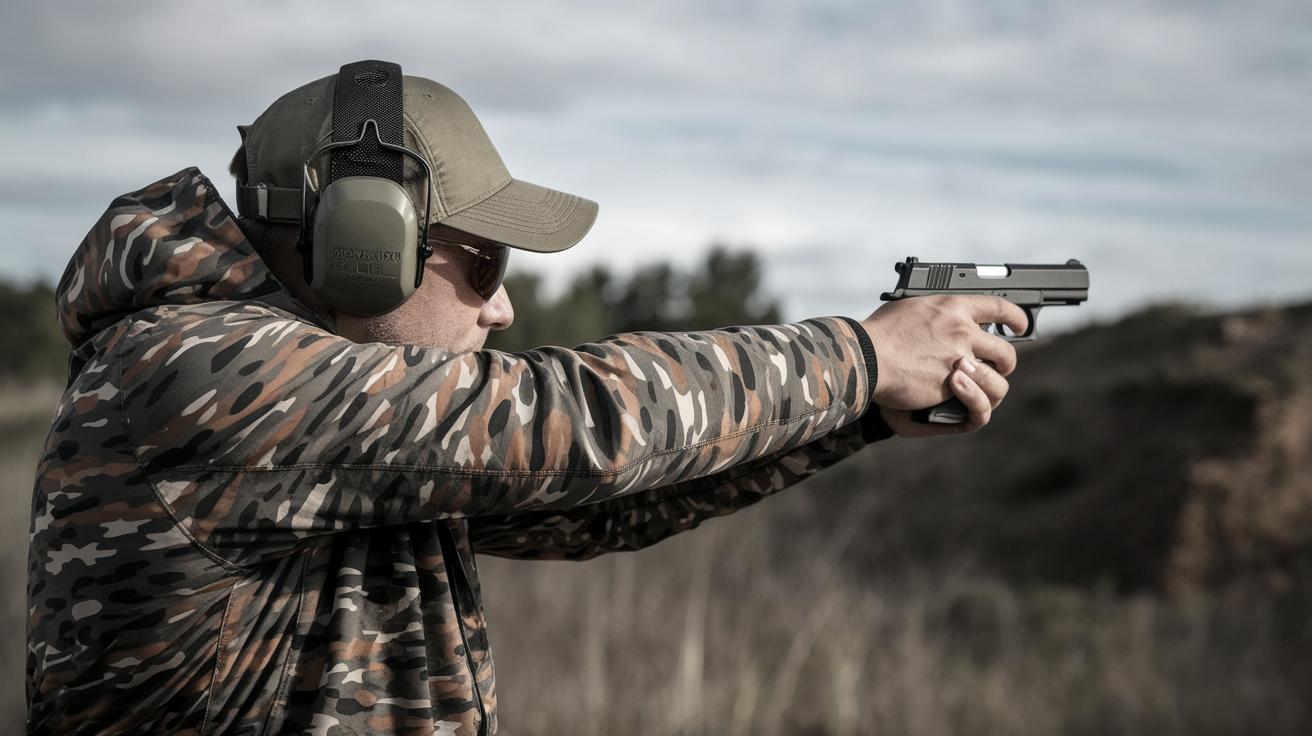
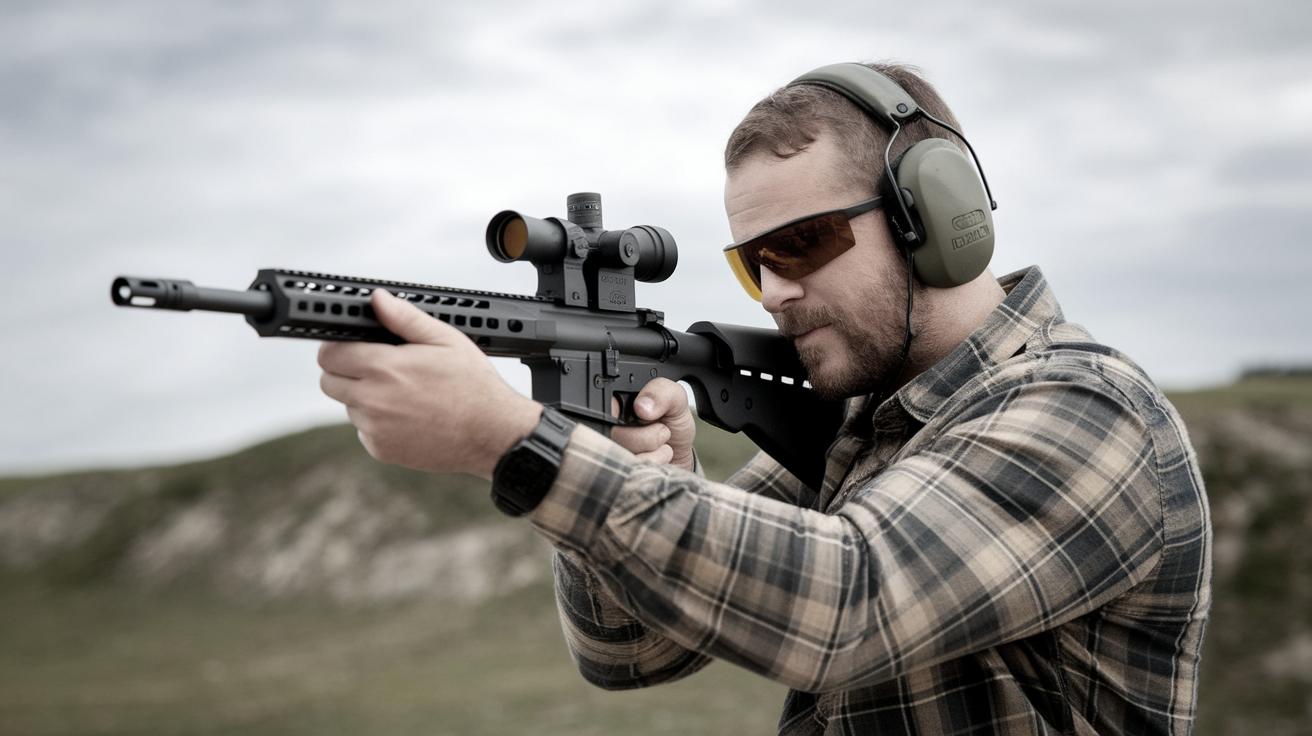
Your eyes are incredibly vulnerable whenever you’re shooting. Regular sunglasses won’t suffice; instead, invest in high-quality shooting glasses designed to withstand impact. Such eyewear often features polycarbonate lenses that offer both UV protection and safeguard against debris and casings that might ricochet.
Additionally, choosing eyewear with anti-fog and anti-scratch coatings ensures clear visibility in various weather conditions. Opt for glasses that offer side protection as well, ensuring comprehensive safety from all angles, and never underestimate the importance of maintaining a clear line of sight.
Ear Defense: Silence Isn’t Golden Here
Exposure to firearm discharge noise can cause permanent hearing damage, and thus, ear protection is non-negotiable. Earplugs or earmuffs designed specifically for shooters can significantly reduce noise levels and prevent hearing loss. Electronic earmuffs provide dual benefits: noise cancellation and the ability to enhance ambient sounds, allowing you to communicate and remain aware of your environment.
Choosing the right ear defense is vital for both comfort and functionality. Try out various options to find those that fit snugly yet comfortably, ensuring long-lasting protection throughout your shooting activities.
Headgear: Not Just a Fashion Statement
While baseball caps are common among shooters, specialized headgear offers better protection. A good shooting hat will shield you from the sun while providing coverage against minor impacts. Caps with a brim can reduce glare, enhancing sighting accuracy, especially on bright days.
Complement your headgear with a neck gaiter or sunscreen, protecting exposed skin areas. Remember, effective headgear balances between style, comfort, and protection to contribute to a safer shooting outing.
The Right Apparel for the Right Shot
Dressing for the Elements: Layer Like a Pro
Layering is fundamental when shooting in the outdoors, as weather conditions can change rapidly. Start with moisture-wicking base layers to keep sweat at bay, followed by insulating garments that maintain warmth. An outer waterproof layer is essential to shield you from the elements when exposed to rain or wind.
Choosing quick-drying materials in your clothing lineup ensures comfort and performance. Not only do the right layers keep you safe from environmental conditions, but they also support your range of motion for a more accurate shot.
Tactical Clothing: Utility Meets Comfort
Purpose-made tactical clothing is designed with functionality in mind, offering durability, flexibility, and additional storage for your essential gear. Pants equipped with multiple pockets allow for easy access to equipment, reducing the time needed to reload or adjust settings.
Choosing tactical vests that hold extra magazines and communication devices ensures that gear remains secure, even during strenuous activity. Comfort, utility, and easy accessibility define the advantages of tactical apparel, allowing shooters to remain focused on their target rather than their outfit.
Gloves and Boots: Grip and Stability Matters
A solid grip on your firearm and firm footing on the ground dramatically influence your shooting performance. Gloves designed for shooting offer enhanced grip and protection against wear and tear, while insulated options keep hands warm in colder climates.
Boots equipped with good traction prevent slipping on muddy or rough terrain, assisting in maintaining a steady stance. Prioritize footwear that provides support and comfort to endure long walks or stands during shoots, ensuring stability with every step.
Gear Up with the Essentials
Holsters and Slings: Keep Your Firearm Secure
A proper holster or sling ensures your firearm remains securely attached to your body, facilitating quick access when needed. When selecting a holster, consider one that offers both retention and ease of draw, compatible with your firearm model.
Similarly, slings that enable smooth maneuvering and secure firearm placement free up hands for other tasks. Choose options adjustable for different carrying positions, providing flexibility and comfort for your shooting activities.
Magazines and Speed Loaders: Stay Locked and Loaded
Mishandling magazines can lead to malfunctions at critical moments, hence keeping them organized and within reach is essential. Consider magazine pouches that allow quick access and secure retention.
Speed loaders significantly enhance reloading efficiency, minimizing downtime and maintaining a steady flow during shooting practice or competitions. Investing in quality speed loaders ensures reliable performance, crucial for achieving shooting objectives seamlessly.
Cleaning Kits: A Shooter’s Best Friend
Cleanliness is critical for firearm longevity and optimal performance. Regular maintenance using a comprehensive cleaning kit prevents build-up that can lead to malfunctions. Kits should include brushes, rods, cleaning cloths, and lubricating oil suitable for your specific firearm type.
A well-kept firearm is a reliable firearm, underscoring the importance of routine cleaning post every shooting session. In this manner, you’ll ensure that your equipment is always in prime working condition, ready for your next venture.
Tech for the Perfect Aim
Optics and Scopes: Your Eye in the Sky
High-quality optics and scopes are invaluable tools for enhancing accuracy, allowing shooters to see targets with greater clarity and precision. Choose scopes with adjustable magnification and lens coatings that provide a clear, crisp sight picture in various light conditions.
Regular alignment and maintenance of these optical aids ensure consistent precision, making them indispensable for both novice and seasoned shooters determined to improve their aiming capability.
Range Finders and Spotting Scopes: Distance Made Easy
Accurately judging distances is essential, especially in fields where geography is complex. Range finders offer precise measurements, enabling shooters to adapt their aim effectively, while spotting scopes provide detailed assessments of far-off targets.
Employing these devices to strategize shots can drastically affect performance, bridging the gap between estimated and actual distances and contributing to a higher success rate in hitting targets accurately.
Lasers and Flashlights: Illuminate Your Target
In low-light conditions, lasers and tactical flashlights become vital. Lasers provide a direct visual pointer, aiding target acquisition and precision, particularly in dynamic environments. A robust flashlight illuminates pathways, allowing you to identify risks and maintain situational awareness.
Ensure your equipment is mounted securely, and test regularly for consistent performance. These tools prove indispensable for enhancing accuracy and safety when daylight fades.
Safety Beyond the Trigger
First Aid Kits: Be Prepared for Mishaps
Accidents can happen, so carrying a basic first aid kit is prudent. Include essentials like bandages, antiseptic wipes, pain relievers, and burn cream to address minor injuries promptly.
Understanding basic first aid procedures enables you to provide immediate care before professional help arrives, fostering a safer shooting environment for yourself and others around you.
Communication Devices: Stay Connected in the Field
Maintaining communication is key for safety and coordination, especially in group shooting activities. Invest in robust communication devices like walkie-talkies or mobile radios.
Ensuring that you remain connected with your group can enhance safety, providing the ability to call for assistance or relay important information efficiently, thereby fostering a secure shooting environment.
Firearm Safes and Locks: Secure Your Gear Responsibly
Proper storage of firearms when not in use is crucial to prevent unauthorized access and accidents. A secure gun safe or lock not only protects your investment but also ensures that firearms remain out of the hands of unauthorized persons.
Prioritizing secure storage reflects responsible ownership and contributes significantly to overall safety, minimizing the risk of theft or unintentional discharges within your environment.
Summary of Main Points
| Category | Details |
|---|---|
| Head-to-Toe Protection | Eye and ear protection, headgear, appropriate apparel, gloves, and boots. |
| Gear Essentials | Holsters, slings, magazines, speed loaders, and cleaning kits. |
| Tech Aids | Optics, scopes, range finders, lasers, and flashlights. |
| Safety Measures | First aid kits, communication devices, safes, and locks. |
Frequently Asked Questions
What are the essential pieces of safety gear every shooter should have?
Essential safety gear includes eye and ear protection, appropriate headgear, tactical clothing, gloves, and boots, as well as a first aid kit and communication device.
Why is eye protection important when shooting?
Eye protection is crucial to shield your eyes from flying debris, ricochets, and UV rays, which can cause serious injury or impair vision involuntarily.
What type of ear protection should shooters use?
Shooters should use earplugs or electronic earmuffs that provide sufficient noise reduction to prevent hearing damage from firearm discharges.
How does tactical clothing benefit shooters?
Tactical clothing offers utility, durability, and comfort with features like multiple pockets and flexible materials, enhancing overall shooting performance.
Are cleaning kits really necessary for shooters?
Yes, cleaning kits are necessary to maintain firearm performance and longevity by removing residue and preventing malfunctions.
What should be included in a shooter’s first aid kit?
A shooter’s first aid kit should contain bandages, antiseptics, pain relievers, and burn ointments to treat minor injuries effectively.