How to Hold a Handgun: Mastering Technique and Safety
Mastering the proper technique for holding a handgun is crucial for both accuracy and safety. Whether you are a novice shooter or an experienced firearms enthusiast, understanding the mechanics of a stable grip can greatly enhance your shooting capability. In this comprehensive guide, we will walk you through the essential elements of gripping a handgun effectively. From adopting a two-handed grip to managing trigger control and breathing, we aim to equip you with the knowledge needed to improve your handling and shooting skills. Let’s delve into the specific techniques and insights that will aid you in developing confidence and precision with your handgun.
Use Two-handed Grip
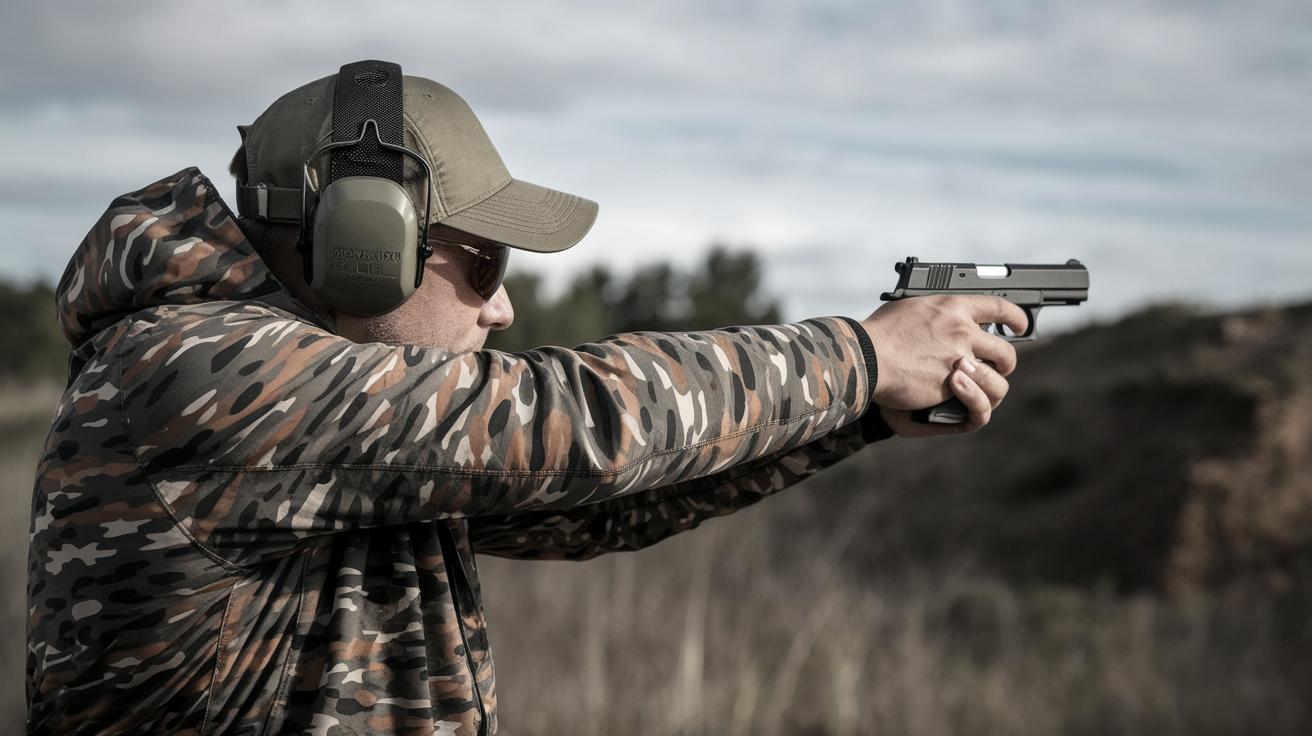
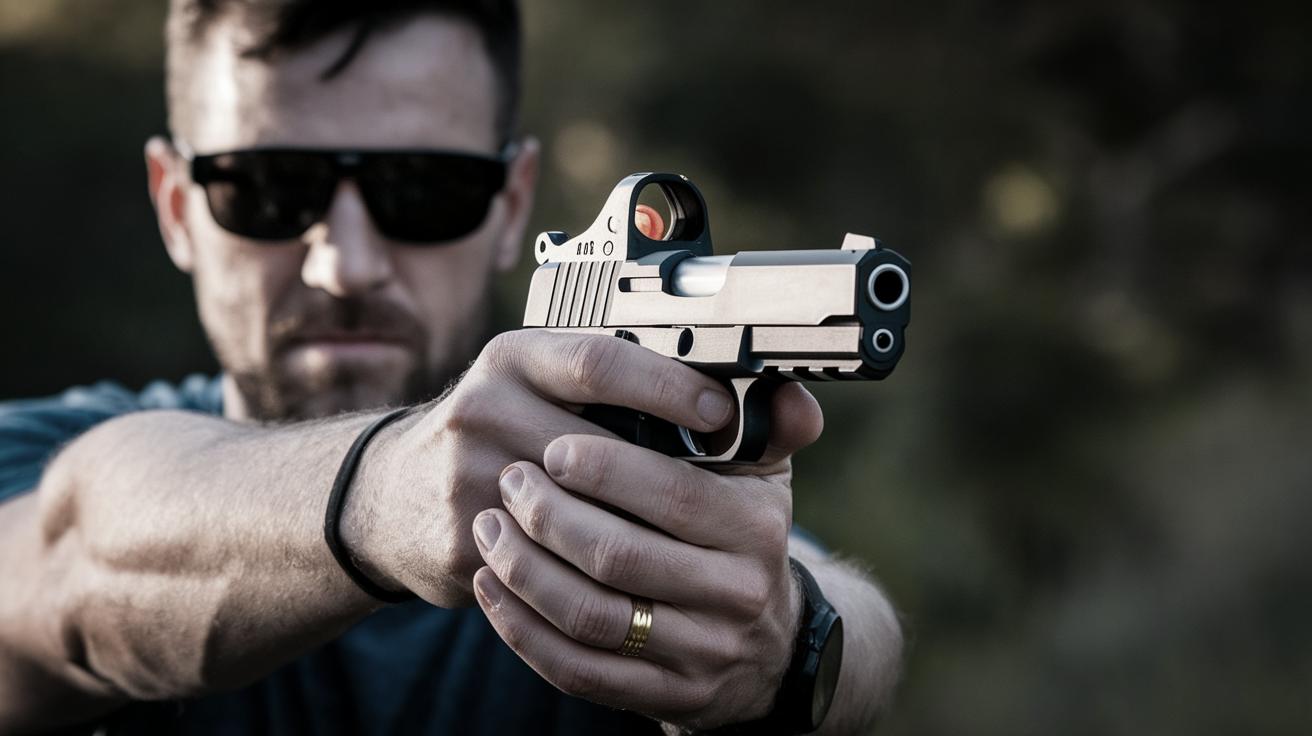
One of the fundamental aspects of holding a handgun is adopting a two-handed grip. This technique is preferred by most shooters for its enhanced stability and control. By using both hands, you can better manage recoil and maintain a steady aim, both crucial for accuracy. Aligning the gun with your dominant hand and supporting it with the non-dominant hand was ensured a firmer grip that aids in steadying the weapon during discharge.
To achieve this, start by gripping the firearm with your dominant hand, wrapping your fingers around the handle, and ensuring your trigger finger rests along the frame. Next, bring your non-dominant hand up to meet the gun. Wrap your fingers over the fingers of your dominant hand, applying pressure to create a tight hold. Your thumb on this hand should rest above the thumb of your dominant hand, supporting the grip.
Find the Right Grip Strength
Grip strength plays a critical role in how effectively you can manage a handgun. A grip that is too loose may result in lack of control, while one that is too tight may lead to rapid fatigue and affect your shooting precision. Finding the right balance is imperative to ensure that you can sustain a grip that is both resilient and comfortable.
To determine the right grip strength, hold the gun with enough firmness that it doesn’t move in your hand, but not so tightly that it causes tremors or shakes. This can be thought of as a firm handshake; strong and solid, but not overly aggressive. Practice gripping techniques and adjust based on feedback from your shooting sessions to find what works best for you.
Place One Hand Under the Other
Positioning is a key part of any effective shooting stance, and placing one hand under the other is no exception. For many shooters, the support hand acts as the stabilizer in their stance, enhancing both comfort and accuracy. This method of grip aligns with major hand movements and helps in absorbing the recoil generated upon firing.
Typically, your support hand should wrap around the bottom of your dominant hand, beneath the trigger guard. By doing so, you’ll create a cusp where the non-dominant hand cradles the weapon, providing much-needed stability. This method not only supports the gun but also aids in reducing strain in the shooting arm, allowing for longer shooting periods without fatigue.
Use Opposite Forces
The concept of opposite forces is crucial in creating a stable shooting platform. By applying pressure from both hands in opposite directions, you increase the control you have over the gun. This not only assists in accuracy but also mitigates the impact of recoil.
Think of it as creating a balanced tension. Your dominant hand should be slightly pulling back while your non-dominant hand pushes forward. This tension stabilizes the gun and reduces the impact of any movement when firing. Practicing this push-pull method in your dry-fire exercises can help you become more comfortable with the technique before heading to the range.
Top of the Barrel Up, Bottom of the Handle Down
Maintaining the correct orientation of the handgun is essential for accurate shooting. Ensuring that the top of the barrel is pointed upwards and the bottom of the handle downwards helps maintain a proper sight picture and aids in recoil management.
This position aligns the firearm’s grip with the line of your arm, creating a natural shooting stance that improves control over the recoil direction. It’s important to regularly check your stance and grip orientation to keep this alignment, especially when fatigue sets in during extended shooting sessions.
Control Your Breathing
Breath control is a vital skill for achieving precision in shooting. Proper breathing techniques assist in reducing body movement and ensure a steady aim. It is often recommended to take a deep breath, exhale partway, and hold before squeezing the trigger.
Practicing this breathing control alongside dry firing helps in synchronizing your breath with your shot. Over time, this practice can lead to an almost automatic response, enhancing your shooting effectiveness and reducing tension.
Pull the Trigger Slowly
Trigger control greatly influences the accuracy of a shot. Pulling the trigger too quickly or abruptly can result in flinching or misalignment, causing you to miss your target. A slow, deliberate trigger pull can help in maintaining aim and ensuring that the shot is on target.
Focus on squeezing rather than jerking the trigger to achieve a smooth release. This act should be a natural extension of your focus on the target, allowing your entire body to act in unison to achieve the desired outcome.
Final Thoughts on How to Hold a Handgun
Properly holding a handgun is about understanding and implementing a series of techniques that work together to enhance accuracy and safety. It’s essential to practice these techniques regularly, incorporating feedback to refine and improve your grip and stance.
Regular training and practice, combined with a mindful approach, can result in noticeable improvements in your shooting skills. Remember that proficiency with firearms is a journey, and mastering grip is a fundamental step on that path.
1 comment
User123:
Great insights! I never realized the importance of opposite forces in maintaining a stable shooting platform.
Leave a comment
Your email address will not be published. Required fields are marked *
Name:
Email:
Comment:
Next Steps
| Technique | Key Points |
|---|---|
| Use Two-handed Grip | Enhances stability and control, proper alignment of hands. |
| Find the Right Grip Strength | Balance between control and comfort, akin to a firm handshake. |
| Place One Hand Under the Other | Stabilizes grip, supports recoil management. |
| Use Opposite Forces | Creates a stable platform through balanced tension. |
| Top of the Barrel Up, Bottom of the Handle Down | Ensures proper alignment and improves recoil direction management. |
| Control Your Breathing | Reduces body movement ensuring steady aim. |
| Pull the Trigger Slowly | Focuses on squeeze rather than jerk for accuracy. |