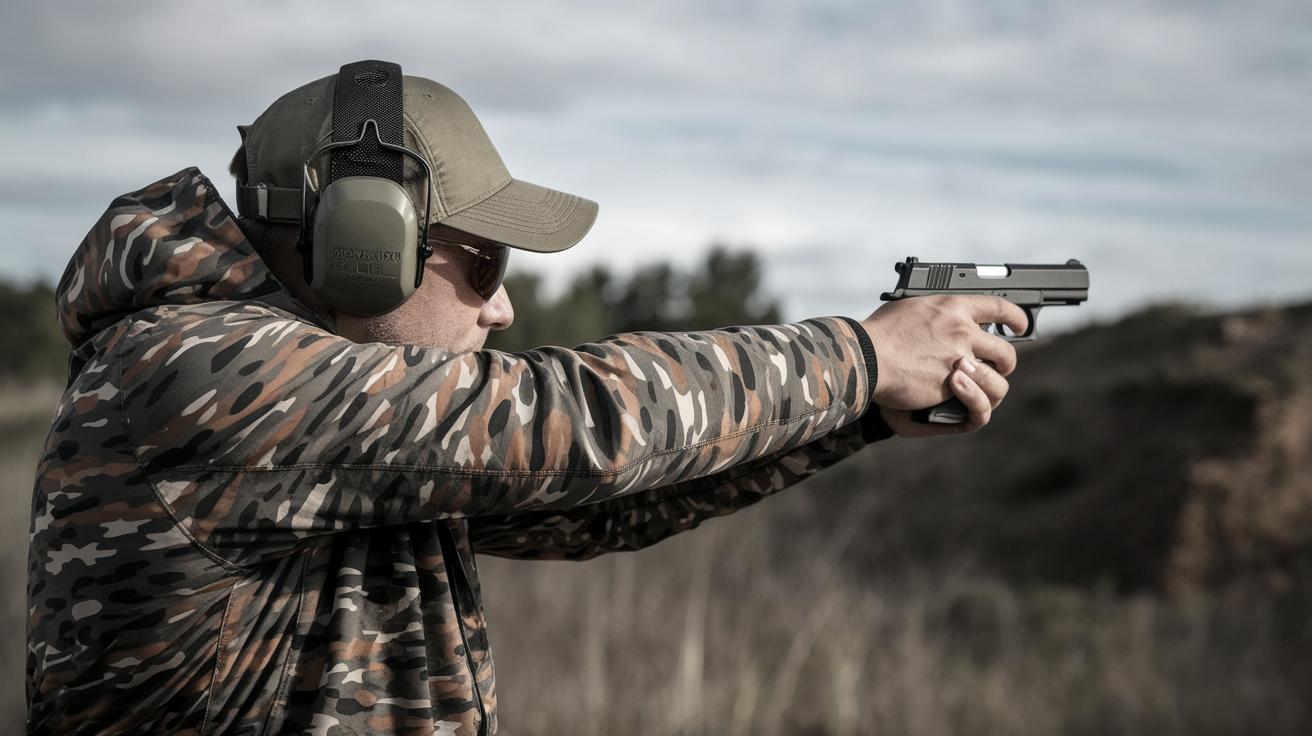
Mastering the Art of Handgun Aiming
Aiming a handgun is an essential skill for both novice and experienced shooters, ensuring not only accuracy but also safety. This comprehensive guide explores three key aspects of handgun aiming: sight alignment, focusing on the target, and aiming using the center mass hold technique. Each section delves into the techniques necessary to improve precision and confidence in handling a firearm. Whether for self-defense, sport, or hobby shooting, mastering these techniques can significantly enhance one’s shooting proficiency. Engage with these principles to elevate your understanding of handgun aiming and promote responsible firearm use.
How to Aim a Handgun Using Sight Alignment
Sight alignment is a fundamental skill in shooting that involves correctly positioning the front and rear sights of a handgun. The key to achieving proper sight alignment is ensuring the top of the front sight is level with the top of the rear sight, and that the front sight is centered within the notch of the rear sight. This alignment should create a straight line with the target. Focusing on maintaining this alignment is crucial for accuracy, especially when shooting at longer distances.
To practice sight alignment, it’s beneficial to start with dry-firing exercises, which involve practicing trigger control and sight alignment without live ammunition. This allows shooters to concentrate solely on their technique without the distraction of recoil. Utilizing drills such as the wall drill can help identify issues in sight alignment, as the stable environment allows shooters to maintain focus on the sights’ relationship without variability in aim caused by pistol movement.
Advanced shooters often use sight alignment techniques in dynamic settings, combining movement with precision aiming. This requires a heightened awareness of the sights and their relationship to the target. It’s essential to regularly practice these skills to maintain proficiency, as consistent repetition aids muscle memory and improves overall accuracy. Over time, sight alignment becomes second nature, leading to more confident and effective shooting.
Aiming A Gun And How To Focus On It
Focusing while aiming a handgun involves directing the shooter’s sight and attention to the front sight post, a critical element in achieving accuracy. The shooter’s eye should concentrate on the front sight, with the target and rear sight slightly blurred. This focus allows for a sharp, clear picture of the front sight, ensuring better alignment and control of the shot. Developing this skill requires practice in maintaining a steady line of sight under different shooting conditions.
Establishing proper focus underlines the importance of controlling eye movement and balance, which can be improved through exercises and controlled breathing techniques. Shooters are encouraged to practice transitioning their focus from the target to the front sight quickly, especially in fast-paced scenarios. This ability to switch focus underpins the shooter’s effectiveness and can significantly impact shot placement.
Furthermore, the physical discomfort some shooters experience, such as eye strain, can be minimized through exercises that promote eye health and flexibility. Practicing focus with variations in lighting conditions and distances can also prepare shooters for real-world scenarios where perfect conditions are often absent. A commitment to these exercises results in enhanced clarity and accuracy in aiming over time, fostering improved shooting confidence and success.
Gun Aim (Center Mass Hold)
The center mass hold technique is a widely-practiced aiming method where the shooter aligns the handgun’s sights on the center of the target’s mass. This area typically offers the largest target surface and is more forgiving if shots aren’t perfectly placed. The center mass hold is particularly effective in defensive shooting scenarios, where quick accuracy is paramount, and the aim must be solidified rapidly under stress.
Beginners often find this technique easier to master as it reduces the complexity of aiming precision required when targeting smaller surface areas. It’s crucial to practice maintaining consistent pressure and follow-through with the trigger pull when using this technique, as flinching can cause missed shots even when aiming at larger target surfaces. Regular range practice focusing on the center mass helps shooters develop confidence and control.
Advanced training might involve integrating the center mass hold with tactical movements, enhancing a shooter’s ability to engage effectively in varied environments. This practice not only improves aiming skills but also builds situational awareness and adaptability. By mastering the center mass hold, shooters develop a robust foundation in aiming that supports further growth in other, more complex shooting disciplines.
Contents
This guide covered essential techniques in learning how to aim a handgun effectively:
- Proper sight alignment techniques for improved shooting accuracy.
- Focusing on the front sight for better shot placement and focus management.
- The center mass hold for practical aiming in defensive situations.
Lessons Learned
| Technique | Description | Benefits |
|---|---|---|
| Sight Alignment | Aligning front and rear sights for accuracy. | Improves precision, muscle memory, and shooting confidence. |
| Focus on Front Sight | Maintaining focus on front sight with target slightly blurred. | Enhances shot placement, reduces eye strain. |
| Center Mass Hold | Aiming at the target’s largest mass area. | Quick and effective targeting in defensive scenarios. |