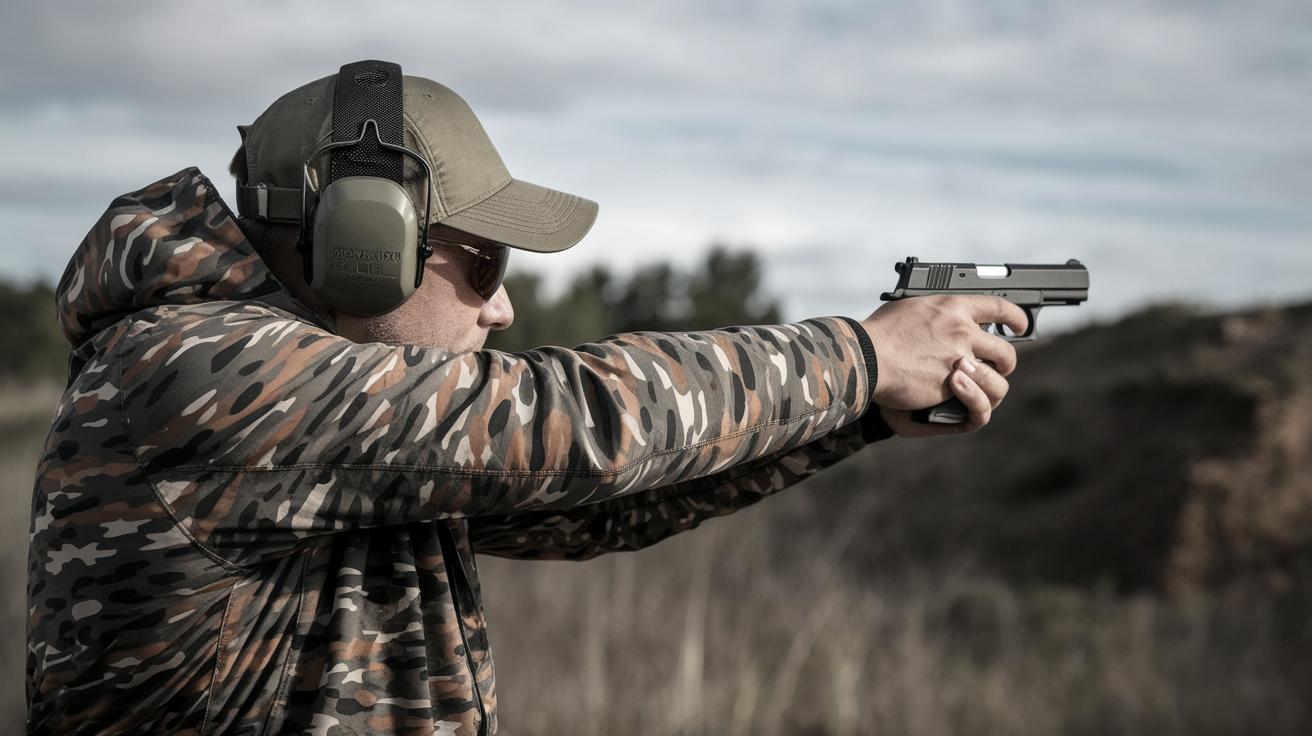
How to Learn How to Shoot a Gun
Shooting is both a skillful art and a precise science, requiring focus, discipline, and responsibility. Whether you’re intrigued by competitive shooting, hunting, or simply ensuring personal safety, understanding the fundamentals is essential. This blog post is a comprehensive guide to learning how to shoot, tailored for new shooters and those teaching others. We’ll explore varied environments where one might learn, discuss age and gender considerations, emphasize essential safety principles, and suggest methods to ensure positive, productive shooting experiences. Additionally, the post highlights the importance of maintaining a secure environment and the relevance of essential equipment. Patients, passion, and poise are the keys to mastering the craft.
Should You Even Try to Teach Someone to Shoot?
Teaching anyone to shoot is a decision that comes with great responsibility. Before embarking on this journey, it’s crucial to assess whether you’re ready to impart knowledge safely and effectively. Consider factors such as your level of expertise, the shooting environment, and the learner’s readiness and attitude. Your ability to communicate clearly and set firm boundaries in terms of safety will ensure a beneficial learning experience. Remember, the primary goal is to instill respect and responsibility for firearms in learners.
Whether you’re instructing a family member or a friend, patience will be your most valuable asset. A calm, supportive demeanor encourages a positive experience and fosters an environment where errors become learning opportunities rather than causes for anxiety. Each learner’s progress will vary, so set achievable milestones to keep the learning process enjoyable and encouraging.
1. At a Shooting Range
Shooting ranges are excellent places for beginners to learn due to their controlled environments and the availability of professional instructors. Ranges provide essential safety measures, such as protective barriers and supervised shooting lanes, ensuring a secure experience for all users. Furthermore, they often offer classes tailored to different skill levels, allowing learners to progress at their own pace while receiving expert guidance.
One of the significant benefits of shooting ranges is the communal atmosphere, which fosters learning through observation. Seeing others in action and receiving expert feedback can enhance understanding, offering immediate corrections and support that solitary learning might lack.
2. Join a Club
For those looking to connect with a community of enthusiasts, joining a shooting club can be incredibly beneficial. Clubs often provide a social network of knowledgeable peers eager to share tips and techniques while promoting safety and ethical shooting practices. Members typically have access to training sessions, competitions, and seminars, further enriching the learning journey.
In addition to practical shooting skills, club membership can also offer insights into conceptual aspects of shooting, like equipment selection and maintenance. Connection with a community can boost confidence and motivation, transforming solo efforts into a shared hobby with shared goals.
3. Crown Land
In some regions, learners might explore shooting on crown land, where regulations permit recreational activities like target shooting. This option offers the freedom of a natural setting, allowing shooters to experience different terrains and challenges not available at a range. However, with this freedom comes the added responsibility to remain informed about legal requirements and environmental ethics, ensuring minimal impact on nature.
Before shooting on crown land, it’s crucial to know its legality and follow all regional guidelines to maintain ethical and safe practices. Setting up a proper shooting area and choosing safe backstops are vital steps in creating a secure environment when opportunities to practice shooting outside structured ranges present themselves.
Is It Too Early for Me to Teach My Child to Shoot?
The decision to teach your child how to shoot is a personal one that depends on maturity, interest, and individual readiness. It’s crucial to assess your child’s ability to comprehend and prioritize safety over curiosity, which is paramount when handling firearms. Early exposure can be beneficial when approached with patience and adheres to strict safety measures.
When introducing children to shooting, start with fundamental principles like identifying parts of a firearm and understanding their functions, handling techniques, and keen awareness of safety protocols. By making learning enjoyable and age-appropriate, you’ll encourage positive attitudes toward firearms and responsibility.
Are Women Better Students Than Men Where Learning to Shoot Is Concerned?
While generalizations can be limiting, studies and anecdotal evidence suggest that women can often be more attentive to instructions and less affected by preconceived notions of firearms. This openness often translates to quicker adoption of correct techniques and better adherence to safety protocols. Many instructors note that women tend to ask insightful questions, leading to a deeper understanding of shooting dynamics.
Nonetheless, individual personalities and learning styles have the most significant influence on the learning process. Each student brings unique strengths and challenges that affect how they learn and improve. Instructors should encourage each learner’s strengths, whether they’re patience, attention to detail, or reflexive skills.
Do Teach New Shooters to Understand and Practice the Four Rules of Gun Safety
Safety cannot be overemphasized in shooting sports. The four cardinal rules of gun safety—treat every gun as if it’s loaded, never point a gun at anything you’re not willing to destroy, keep your finger off the trigger until ready to shoot, and be sure of your target and what is beyond it—must be second nature before pulling a trigger. Repeated practice and real-life scenarios help solidify these principles.
Video: Four Rules of Firearms Safety
This section would include an embed video or a link to an informative video offering a visual understanding of the basic safety principles fundamental to any shooting activity.
Do Double Up on Properly Fitting Ear Protection
The importance of ear protection should not be underestimated, given that exposure to gunshots can lead to hearing damage over time. Using both earplugs and earmuffs can significantly reduce noise exposure, creating a more comfortable and enjoyable experience for new shooters. Brands and styles vary, so choose options that fit well and prove effective after trial.
Commit to making ear protection a non-negotiable aspect of shooting sessions. Demonstrating this commitment instills a respect for safety gear, encourages others to adopt the practice, and enhances shooting familiarity without distraction.
Do Keep Sessions Brief and Know When to Call It a Day
Shooting, especially for beginners, can be having significant energy expenditure and focus. Keep initial sessions concise to prevent fatigue, which can lead to careless mistakes. Use shorter, focused practice times to hone specific skills or understand concepts before moving on to more elaborate sessions.
Recognizing fatigue, complacency, or waning enthusiasm is vital. When in doubt, call it a day, ensuring every session ends on a high note, maintaining enthusiasm for the next opportunity.
Teaching New Shooters About the Importance of a Quality Gun Safe Is a Great Idea
A critical part of responsible gun ownership involves the secure storage of firearms. Educating new shooters about gun safes not only safeguards others by restricting unauthorized access but also fosters a culture of responsibility and accountability. This knowledge is an essential aspect of lifelong learning and respect for firearms.
Demonstrating how to use a gun safe effectively—highlighting features such as biometric locks or reinforced steel construction—reinforces responsible habits. Incorporating discussions on legal implications and practical benefits encourages new shooters to prioritize the secure and prudent storage of firearms in their routine.
| Aspect | Key Takeaways |
|---|---|
| Environment | Shooting ranges, clubs, or crown land; safety and legal considerations are paramount. |
| Demographics | Assess individual readiness, with unique strengths found in every demographic. |
| Safety | The cardinal rules of safety, proper gear, and understanding legal implications. |
| Skill Development | Start with basics, appropriate firearms, and realistic expectations for progression. |
| Session Management | Focus on concise, engaging sessions that reinforce learning and safety. |
| Secure Storage | Understanding the importance of gun safes for responsible ownership. |