Tips for Shooting a Handgun
Shooting a handgun accurately and safely requires a combination of proper technique, focus, and physical coordination. Whether you’re a novice shooter or someone looking to refine your skills, understanding the nuances of handgun handling can significantly enhance your performance and safety. This blog post will guide you through essential tips and techniques, including the importance of using a two-handed grip, finding the right grip strength, and maintaining control over your breathing and trigger pull. By mastering these techniques, you’ll be better prepared to handle a handgun with confidence and precision.
Use Two-handed Grip
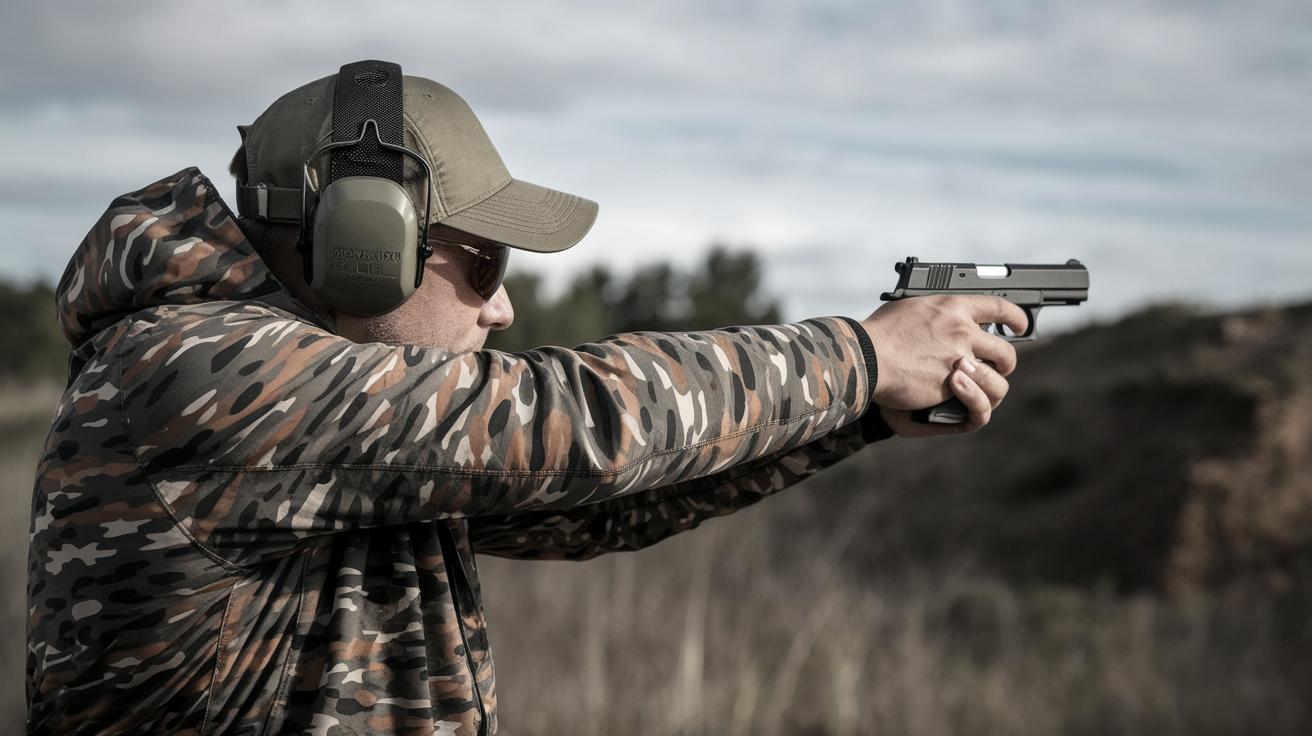
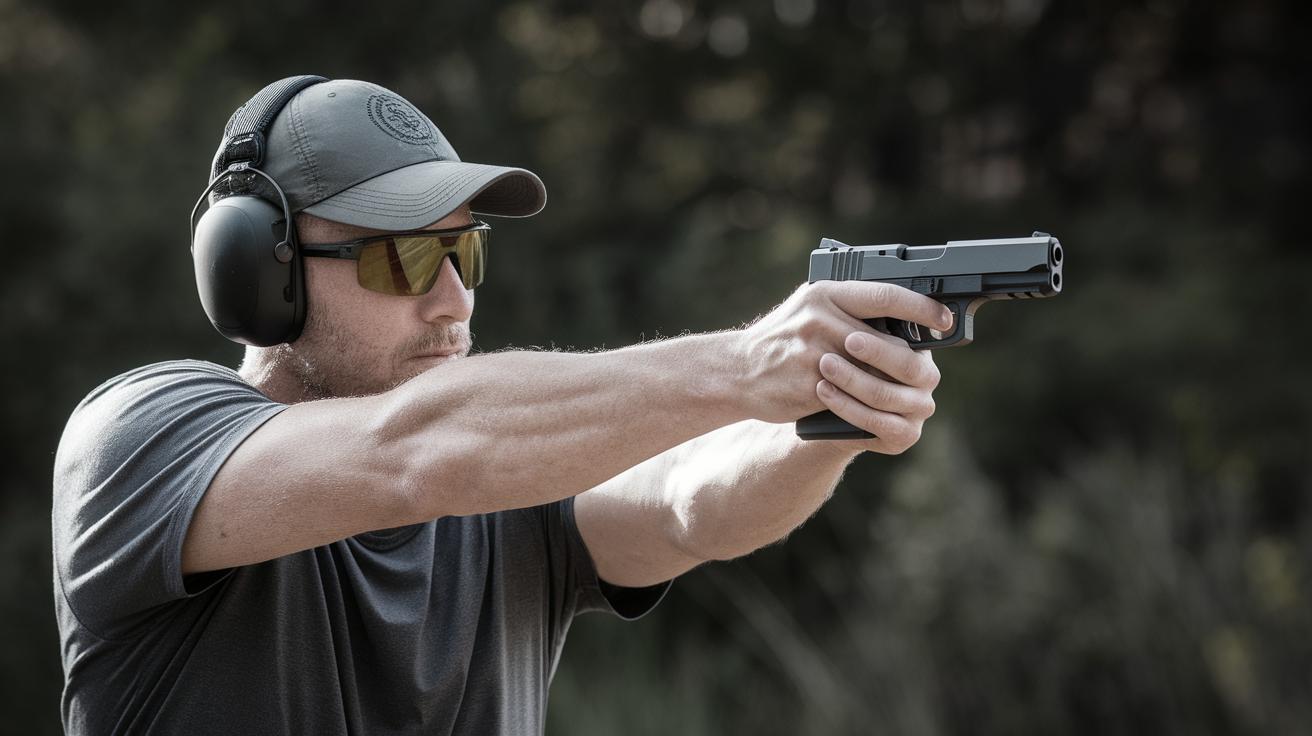
Using a two-handed grip is one of the most effective ways to stabilize a handgun, improving accuracy and control. This grip allows you to distribute the recoil energy across both arms, reducing the strain on any single hand and enhancing stability. To achieve a proper two-handed grip, place your dominant hand firmly around the grip of the handgun, keeping your finger off the trigger until you are ready to shoot.
Your non-dominant hand should wrap around the dominant hand, with your thumb pointing forward and resting alongside the frame. This positioning maximizes your body’s ability to manage the firearm’s recoil and maintain proper alignment with your target. The two-handed grip provides a foundation for consistent shooting by ensuring your sight alignment remains steady through each shot.
Find the Right Grip Strength
Grip strength is a critical component of effective handgun handling. Too much tension in your grip can lead to muscle fatigue and trigger jerking, which negatively impacts your accuracy. Conversely, gripping the gun too loosely can result in a lack of control and poor shot placement. To find the right balance, maintain a firm yet relaxed grip, where your hands are secure but not strained.
A useful method for determining optimal grip strength is the “Barb Recoil Test,” where you simulate the recoil impulse with a partner or trainer. This exercise helps you gauge how much pressure is necessary to manage recoil without compromising control. Consistent practice will allow you to develop a grip that feels both comfortable and effective, enhancing your shooting performance.
Place One Hand Under the Other
Positioning one hand under the other can further stabilize your grip, particularly during rapid shooting sequences. This technique involves placing the heel of your non-dominant hand under the bottom of your dominant hand’s grip, creating a platform-like structure for added support. This method is often referred to as the “teacup” grip.
While not as commonly recommended as the traditional two-handed grip, the teacup grip can offer benefits for those with wrist or hand strength limitations by providing additional stability. As with any technique, it is essential to experiment with different grips to find what best suits your individual needs and shooting style.
Use Opposite Forces
The concept of using opposite forces is a vital part of maintaining control during shooting. When handling a handgun, apply equal and opposite pressure with both hands. This counterbalancing technique allows you to manage recoil effectively, as your hands work together to resist movement and keep the firearm steady.
By applying forward pressure with your dominant hand and backward pressure with your non-dominant hand, you create a stable platform that minimizes muzzle rise and improves shot recovery. Practicing this technique will help you achieve a more consistent shooting experience, leading to increased accuracy and confidence on the range.
Top of the Barrel Up, Bottom of the Handle Down
Proper alignment of the handgun plays a crucial role in accuracy. Ensuring that the top of the barrel points upward slightly while the bottom of the handle is angled downward can significantly improve your sight picture. This alignment encourages natural wrist positioning and minimizes upward muzzle lift, helping you maintain focus on your target.
This technique requires practice, as small adjustments in alignment can lead to considerable improvements in accuracy. By developing muscle memory through consistent training, you can achieve consistent alignment that supports precision shooting.
Control Your Breathing
Controlling your breathing is an understated yet essential element of marksmanship. Proper breathing technique can enhance focus, reduce tension, and stabilize your shooting position. When preparing to fire, take a deep breath, exhale slowly, and press the trigger at the end of your exhale to minimize body movement.
Breathing exercises, such as rhythmic breathing or box breathing, can help you develop the discipline needed to control your respiration during shooting. Incorporating these techniques into your practice routine will improve your ability to maintain calmness and precision under pressure.
Pull the Trigger Slowly
Trigger control is arguably one of the most important skills for accurate shooting. Pulling the trigger too quickly or with excessive force can cause the gun to move, leading to errant shots. To achieve a smooth and deliberate trigger pull, apply consistent pressure using the pad of your index finger, steadily increasing it until the shot breaks.
This technique, known as the “surprise break,” ensures that you are not anticipating the shot, which helps maintain proper sight alignment and accuracy. Practicing dry-firing exercises can be beneficial in honing your trigger control without the distraction of recoil or noise, allowing you to build muscle memory and confidence in your shooting mechanics.
Final Thoughts on How to Hold a Handgun
Mastering handgun handling requires patience, practice, and dedication to safety. The techniques outlined in this blog post provide a foundational understanding of effective shooting practices, from grip strength and alignment to breathing control and trigger discipline.
Regular practice on the range, combined with a commitment to learning and improving, will help you become a more confident and precise shooter. Remember, safety is paramount, so always adhere to safe handling protocols and seek guidance from experienced instructors when necessary.
| Techniques | Summary |
|---|---|
| Two-handed Grip | Stabilizes firearm, distributes recoil, enhances accuracy. |
| Grip Strength | Balanced grip prevents fatigue and improves control. |
| Hand Under Hand | Provides additional support, particularly for rapid firing. |
| Opposite Forces | Counterbalances recoil, stabilizes shooting platform. |
| Barrel Alignment | Improves sight picture and reduces muzzle rise. |
| Breathing Control | Enhances focus, stabilizes shooting position. |
| Trigger Control | Ensures accurate shots through smooth, consistent pull. |
1 Comment
John Doe: Great tips! I’ve been struggling with my grip, and these pointers really helped. Thanks for sharing!
Leave a Comment