
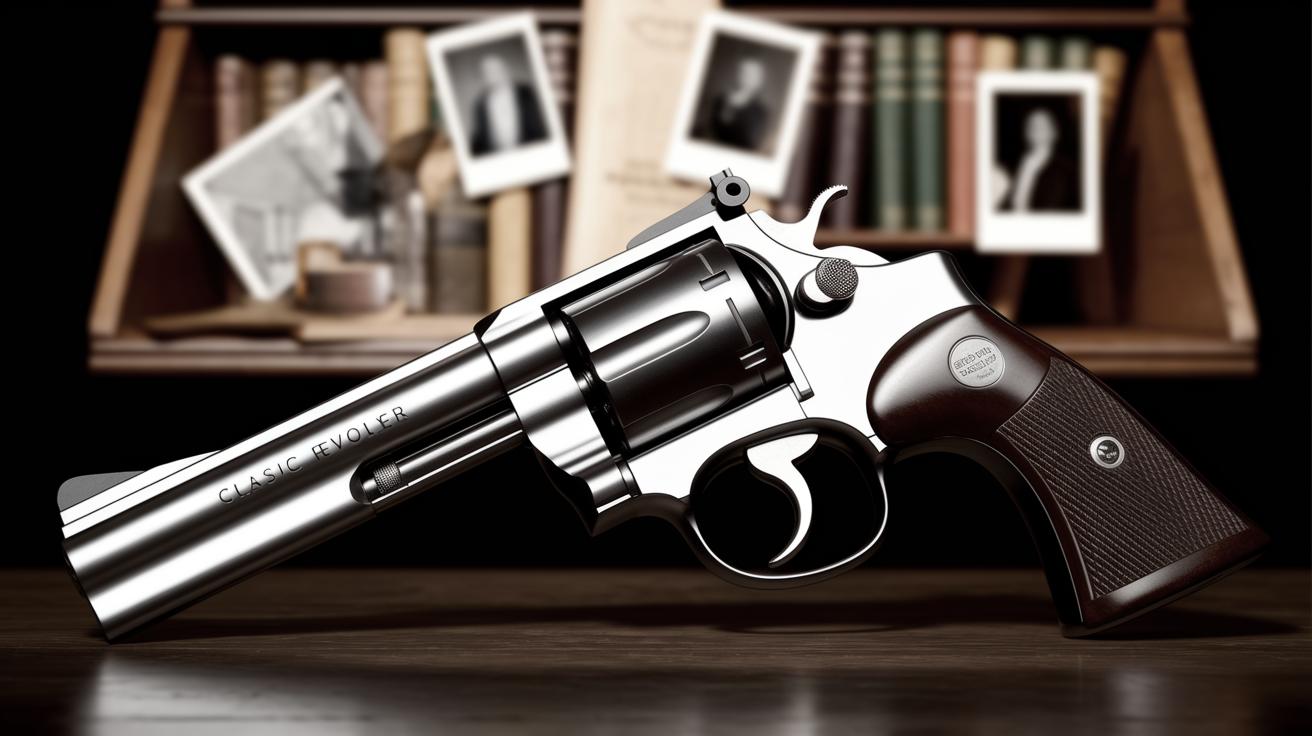
Mastering Pistol Shooting Techniques
Shooting a pistol with precision and confidence requires not only physical skills but also mental acuity and practice. In this guide, we delve into key techniques every shooter should master to enhance their accuracy and safety with a pistol. From adopting the right ‘power stance’ to the critical act of smoothly rolling the trigger, each aspect is crucial for your development as a proficient marksman. Whether you’re a beginner or looking to refine your existing skills, this comprehensive article offers valuable insights and practical tips. Join us as we explore foundational elements that will transform your shooting experience, ensuring you hit the target every time.
The “Power Stance”
The foundation of effective pistol shooting begins with the power stance. This particular stance provides the shooter stability and control, allowing one to manage the recoil and maintain accuracy. To achieve this, position your feet shoulder-width apart, and slightly lean forward. Your dominant foot should be slightly behind, while your weight is distributed evenly. This posture not only helps in absorbing the impact of each shot but also in maintaining balance, which is crucial when you need to quickly acquire targets in succession.
Furthermore, adopting the power stance is not merely about physical positioning. It’s about mental readiness as well. A confident stance boosts your psychological focus and supports the development of a calm, composed mind in high-pressure shooting scenarios. Hence, practicing this stance repeatedly will engrain muscle memory and ensure consistency in your shooting practice.
High Hand Grasp
Achieving a high hand grasp on your pistol can significantly improve your control over the weapon. The grip is the primary connection between you and your firearm, affecting the gun’s behavior upon firing. Place your shooting hand high on the backstrap of the pistol, as close to the bore axis as possible, reducing the leverage the gun has against your hand and minimizing muzzle flip. Your non-dominant hand should support the other side, with fingers interwoven wherever comfortable.
This grasp strengthens your hold, allowing for better recoil management and faster target re-acquisition. Additionally, the high hand grasp results in a more natural alignment of your sights and gives your shooting posture a firmer base. Make it a priority to practice your grip until it becomes second nature, leading to enhanced control over your shot groupings and overall shooting performance.
Hard Grip
The firmness of your grip directly impacts your accuracy. Developing a consistent hard grip is essential, yet it must not be so tight that it induces unnecessary stress or muscle fatigue. The key is to exert enough pressure to control the pistol’s movements without sacrificing dexterity. Interestingly, about 60% of the gripping pressure should come from your non-dominant hand to stabilize aim and reduce tremor.
In practice, finding the right balance is crucial. A grip that’s too lax results in poor trigger control and erratic shots, while an overly aggressive grip can inhibit smooth operation of the pistol controls, such as the trigger or safety. Repeated practice and adjusting your technique will allow you to find the perfect pressure that will aid precision without causing fatigue or discomfort.
Front Sight
The front sight is your best ally in accurate shooting. A sharp focus on the front sight is fundamental, as it ensures proper alignment of the firearm with the target. When you aim, your eyes should lock onto the front sight, maintaining a clear but slightly blurry view of the rear sight and target. This method, known as “front sight focus,” guarantees that your shots go where intended.
It can be challenging to maintain focus on the front sight, especially in dynamic environments or under stress. Regular practice will help cultivate this habit, making it part of your shooting routine. Moreover, using targets with contrasting features at different distances can enhance this skill further, training you to adjust quickly in varying situations.
Smoothly Roll the Trigger
Trigger control is a cornerstone of accurate pistol shooting, and smoothly rolling the trigger is vital. A jerky or flinching motion can easily take the shot off course. To avoid this, practice a gentle press of the trigger straight to the rear, using the pad of your fingertip, until the shot is fired. The movement should be continuous and devoid of sudden spurts of pressure.
A common training tip is to use an empty shell case on the top of the front sight while dry firing. This exercise hones your ability to pull the trigger smoothly, without disturbing the pistol’s balance, reinforcing muscle memory and ensuring that you remain on target shot after shot.
Some Suggestions
One practical suggestion for refining your pistol shooting skills is to incorporate dry fire practice into your routine. This allows you to focus on fundamental techniques, such as grip and trigger control, without the potential distractions of live fire. Additionally, regular participation in shooting courses or competitions can expose you to different shooting scenarios, building your versatility and confidence.
Investing in quality gear, such as custom grips or enhanced sights, can also markedly improve performance. However, remember that gear is secondary to mastery of the fundamentals. Finally, regularly analyze your shooting performance by keeping a journal, noting conditions, results, and reflections to continuously refine your skills.
LEAVE A REPLY
We hope this guide assists in improving your pistol shooting skills. We value your thoughts and experiences, so feel free to leave a reply below sharing your insights or questions about pistol shooting or any other techniques you find effective. Your contributions are invaluable in helping us create a more interactive and supportive shooting community.
Summary of Main Points
| Technique | Description |
|---|---|
| The “Power Stance” | A stable, balanced posture crucial for control and accuracy. |
| High Hand Grasp | A grip that minimizes muzzle flip and optimizes recoil management. |
| Hard Grip | Consistent pressure to maintain control without inducing fatigue. |
| Front Sight | Focusing on the front sight for precise alignment with the target. |
| Smoothly Roll the Trigger | Gentle, continuous trigger control to avoid jerking shots off target. |
| Some Suggestions | Practical tips for skill improvement, including dry fire practice and gear investment. |