
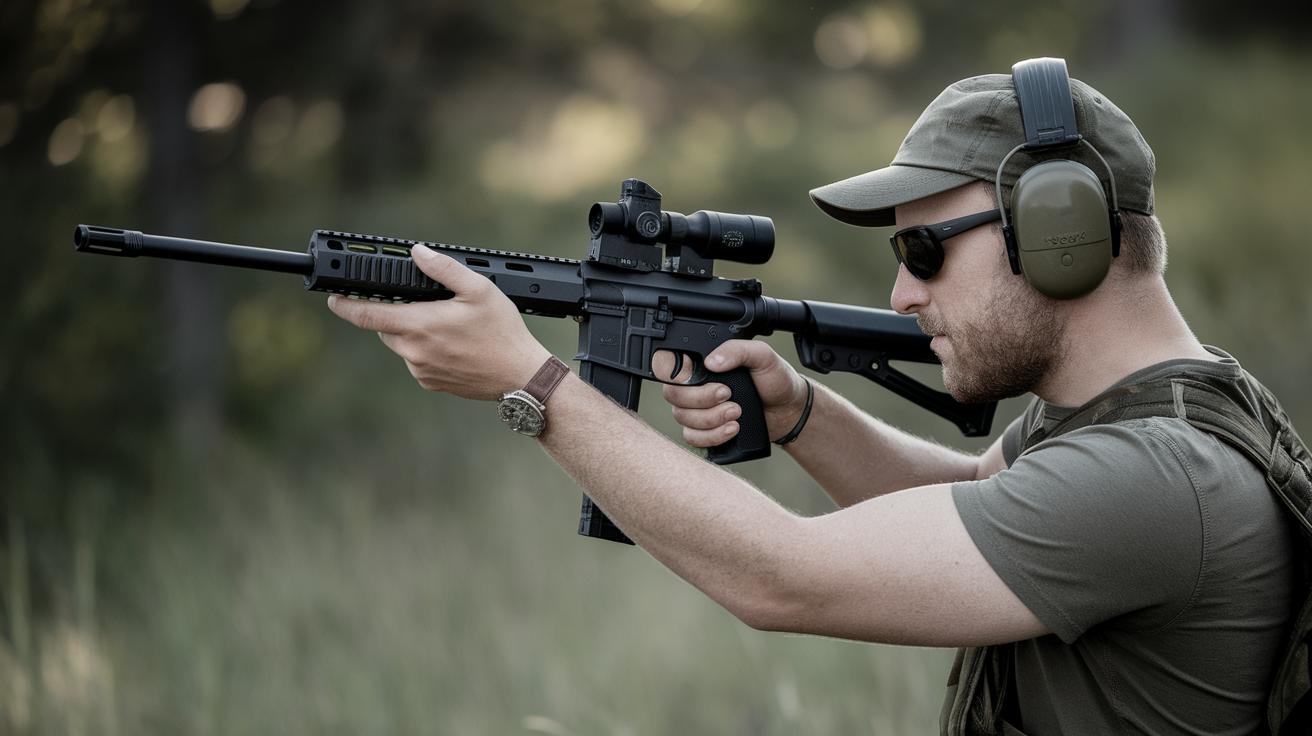
Learn How to Use a Gun: A Comprehensive Guide
Deciding to learn how to use a gun is a significant commitment, one that requires diligence and respect for safety protocols.
This guide is structured to help beginners navigate the complexities of gun handling, ensuring a responsible approach at every step.
We begin by emphasizing the paramount importance of safety, then proceed to discuss choosing the right gun for your needs.
Next, we delve into practice drills essential for skill development and conclude with insights on training and classes.
By the end, you will have a structured path to follow, ensuring your journey into gun handling is both secure and effective.
Safety
Safety is the cornerstone of responsible gun use. The first principle of gun safety is to always treat a firearm as if it is loaded.
This mindset prevents complacency and fosters vigilance. Remember, negligence can lead to accidents, which are entirely preventable with proper respect for firearms.
Familiarize yourself with the fundamental rules: always keep the gun pointed in a safe direction, keep your finger off the trigger until ready to shoot,
and be certain of your target and what lies beyond it. These principles form the basis of gun safety and should be continuously reinforced as you train.
Gun Choice
What is the gun going to be used for?
The intended use of a gun is crucial when choosing a firearm. Are you purchasing it for home defense, hunting, sports, or self-defense? Each purpose demands different specifications,
and understanding these needs will guide you towards the right choice. For instance, a hunting rifle is significantly different from a handgun meant for personal protection.
Consider the environment you’ll be using the gun in. For home defense, something with easier handling may be beneficial, while a more precise and powerful option might be suited for hunting.
Understanding your requirements will streamline the selection process, ensuring you choose a gun that serves its intended purpose efficiently.
Gun Size
Gun size is not merely about the physical dimensions but also includes caliber and weight. Larger calibers may offer more power,
but that often comes with increased recoil, which can be challenging for beginners. Evaluate your comfort level with different sizes during the selection process.
Handling and comfort are equally important. A gun that fits comfortably in your hand will be more manageable, enhancing accuracy and confidence during use.
Ultimately, the best gun is one that fits your body and shooting style seamlessly.
Irons or Optics
An essential decision in gun selection is choosing between iron sights and optics. Iron sights are durable and generally reliable,
while optics, including scopes and red dot sights, can significantly enhance accuracy, especially for novices.
Each has its advantages and offers different shooting experiences.
Consider the situations in which you’ll be shooting. Optics can be beneficial in low-light conditions or when rapid target acquisition is necessary.
However, they require upkeep and may add additional weight. Balance these pros and cons to determine the most suitable option for your needs.
Take it for a Test Shoot
Before finalizing your purchase, testing your preferred options is vital. Many ranges offer rental services, allowing you to test different models before committing.
This practical experience will offer invaluable insights, helping you make an informed decision based on performance and comfort.
Pay attention to how each gun feels in your hand, the recoil response, and overall ease of use.
These factors, combined with feedback from experienced instructors or peers, will guide you to a purchase that aligns with your needs.
Drills
Trust the Process
Learning to use a gun effectively demands patience and dedication. Trust the process and focus on incremental progress.
It’s essential to build your skills methodically through structured practice rather than rushing to achieve proficiency.
Embrace the learning curve, seeking guidance from more experienced shooters and instructors. Regular practice reinforces fundamentals, leading to long-term improvement and confidence in handling firearms.
Dry Fire
Dry firing, or practicing trigger control without live ammunition, is an invaluable training technique. Without the distraction of recoil and gunfire noise,
you can focus solely on developing your trigger control and sight alignment. Utilize this technique regularly to refine your skills in a safe, controlled environment.
Incorporate dry firing drills into your routine, gradually advancing to more complex practices as comfort and skill increase. Ensure your firearm is unloaded and pointed in a safe direction during these exercises.
Learn Your Trigger
Understanding the mechanics and feel of your gun’s trigger is critical. Each firearm has a unique trigger pull, which requires consistent practice to master.
Familiarity with trigger weight and reset point will improve your shooting accuracy over time.
Spend time with repeated trigger exercises, both dry firing and live firing, to gauge sensitivity and pull strength.
Over time, you will become more attuned to the nuances of your gun’s trigger, contributing to better shooting precision and control.
Manipulations
Mastery of firearm manipulations, such as loading, unloading, and clearing stoppages, is essential for safe and effective gun use.
These skills form part of fundamental gun handling and need to be second nature to enhance safety and efficiency during any shooting activity.
Regularly practice these drills, integrating them into your routine until they become instinctive. Confidence in your ability to manipulate and troubleshoot your firearm minimizes operational risks and maximizes your effectiveness as a shooter.
Training and Classes
While self-study and practice are valuable, formal training can offer structured learning and expert guidance.
Investing in professional classes improves both your theoretical knowledge and practical skills, providing comprehensive understanding of both gun operations and safety.
Seek out reputable instructors and courses that align with your goals. From basic handling to advanced tactical training, the range of classes available can cater to all experience levels.
Beyond skill development, these classes also provide a network of fellow enthusiasts to learn and grow with.
Next Steps
Charting a path toward responsible and skilled gun use involves a multifaceted approach, from choosing the right firearm to embracing ongoing training and practice.
Prioritize safety above all else, engage in regular drills, and expand your knowledge through classes and community interaction.
Building these foundations will lead to a lifelong journey of learning and improvement in gun handling.
| Section | Content Summary |
|---|---|
| Safety | Emphasizes the importance of treating every gun as if it is loaded, following fundamental gun safety rules. |
| Gun Choice | Discusses factors in selecting the right firearm based on its intended use, size, and the benefits of test shooting. |
| Drills | Covers essential practice techniques like dry fire, learning your trigger, and mastering firearm manipulations. |
| Training and Classes | Highlights the benefits of formal training, suggesting courses for skill enhancement and offering community engagement. |
| Next Steps | Offers guidance on continuing your development as a responsible gun user through practice and education. |