How to Hold a Pistol Properly
Holding a pistol properly is essential for achieving accuracy and ensuring safety. This comprehensive guide covers the essential aspects of handling a handgun, exploring techniques ranging from establishing a two-handed grip to fine-tuning your grip strength. Through understanding how to place your hands for stability, employing counteractive forces, maintaining balance, controlling breathing, and executing a steady trigger pull, you’ll develop the confidence to handle firearms securely. These methods not only improve shooting precision but also foster a more responsible approach to gun handling. Let’s delve into the nitty-gritty of pistol handling with actionable insights and helpful tips, allowing both novices and seasoned practitioners to refine their technique.
Use Two-handed Grip
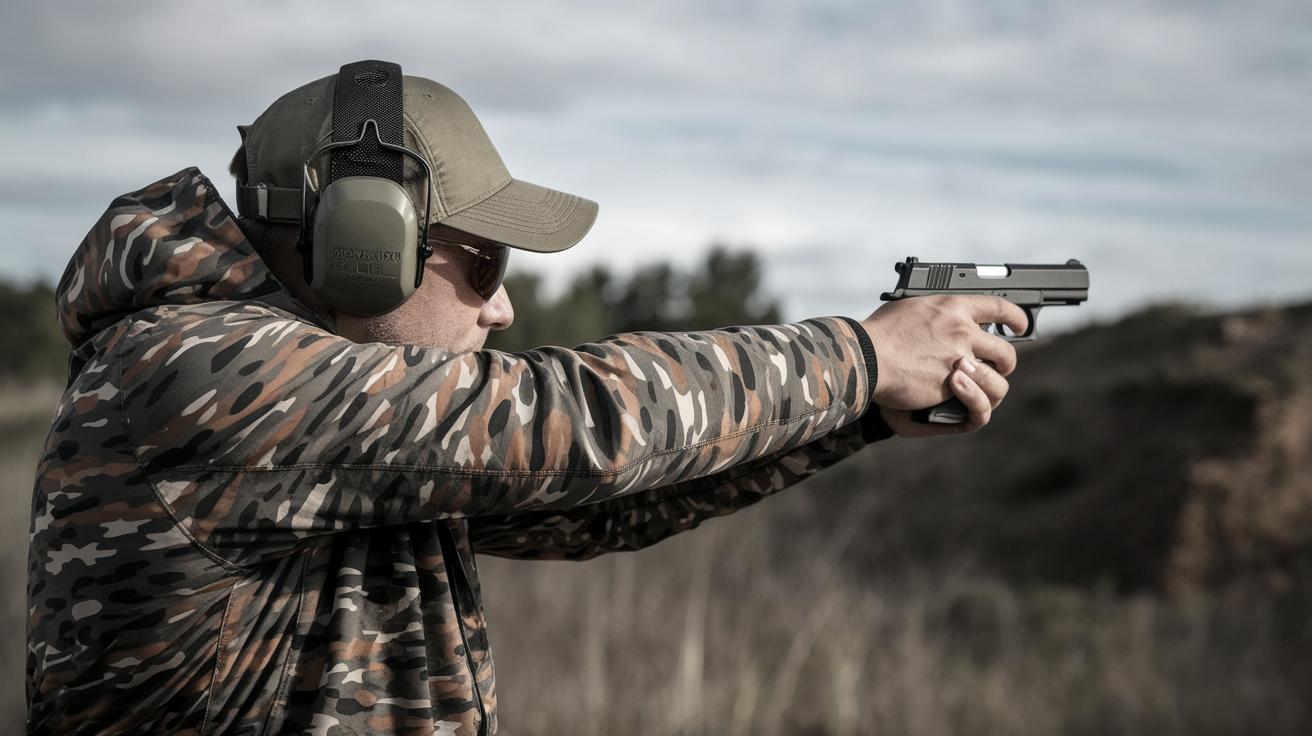
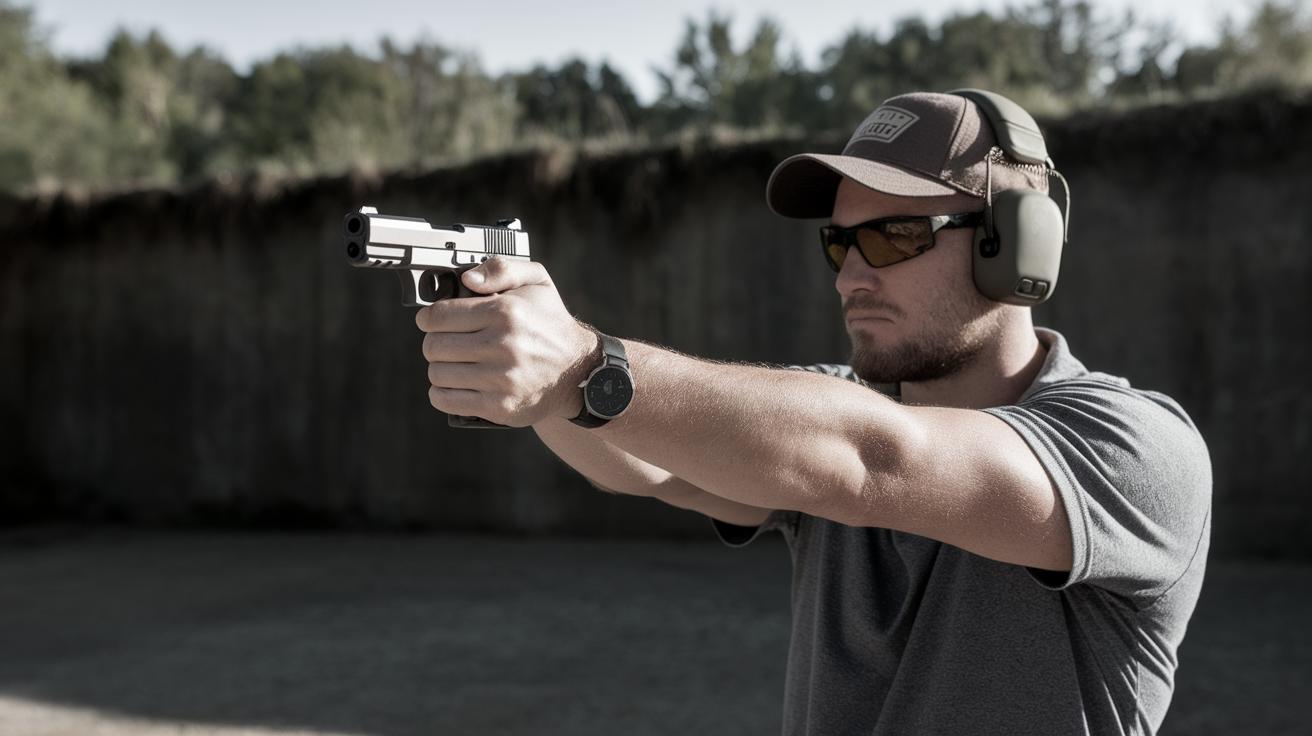
A two-handed grip is foundational for improved control and stability when holding a pistol. This technique involves using both hands to grasp the firearm, providing enhanced support and reducing recoil. First, grasp the pistol’s grip firmly with your dominant hand, ensuring your fingers are wrapped around the grip while the web of your hand is snugly positioned against the backstrap. This sets a solid base for your shooting stance.
With your non-dominant hand, bring it underneath your dominant hand, wrapping your fingers around the fingers of your dominant hand. Your thumbs should be pointed forward, in line with the barrel of the pistol. The non-dominant thumb rests gently against the side of the frame, offering additional stability. This two-handed approach distributes the force of the recoil evenly, allowing for more controlled shots and better precision.
Find the Right Grip Strength
Grip strength plays a crucial role in handling a pistol effectively. Gripping too tightly can lead to excessive muscle fatigue and disrupt your aim, while a grip that’s too loose might cause the pistol to shift in your hands upon firing. To find the right balance, hold the pistol with a firm yet comfortable grip, ensuring enough tension to maintain control without straining your muscles.
Practice adjusting your grip on the pistol to check for any signs of muscle tension or discomfort. A good indicator of optimal grip strength is the ability to keep your sights aligned with the target without unnecessary movement. Regular practice will help you gauge the appropriate grip force, allowing for more precise shots and reducing the risk of fatigue during extended shooting sessions.
Place One Hand Under the Other
Positioning your non-dominant hand under your dominant hand can significantly enhance your shooting stability. With the dominant hand gripping the pistol, slide the non-dominant hand up from underneath, wrapping your fingers around the outside of the dominant hand. This creates a unified and steady platform for controlling the firearm.
By interlocking your fingers and aligning both arms, you minimize lateral movement and increase the overall control of the firearm. Your non-dominant arm acts as a support structure, absorbing some of the recoil and preventing the gun from shifting during firing. This technique is especially beneficial for beginners, providing a dependable framework for developing accurate shooting skills.
Use Opposite Forces
Employing opposite forces when gripping a pistol can help counterbalance the movement generated by recoil. This involves exerting forward pressure with your dominant hand while simultaneously applying backward pressure with your non-dominant hand. This opposing force strategy creates a balance that improves firearm stability when fired.
Using opposite forces effectively reduces the pistol’s backward motion upon firing, aiding in keeping the sights aligned on the target. Practicing this technique regularly instills muscle memory, allowing shooters to reflexively apply the right amount of pressure without overthinking during critical moments.
Top of the Barrel Up, Bottom of the Handle Down
Maintaining the proper orientation of the barrel and handle is crucial for accurate shooting. The top of the barrel should remain steady, pointing slightly upward to compensate for the natural dip associated with recoil. This positioning assists with maintaining sight alignment throughout the shooting process.
Meanwhile, the bottom of the handle should angle slightly downward, aiding in recoil management by directing the energy back towards your body. Understanding this balance helps in distributing forces more evenly, especially when firing multiple rounds in succession. An awareness of barrel and handle positioning is key to achieving consistent, reliable accuracy in shooting.
Control Your Breathing
Breathing control is an often overlooked aspect of shooting that can significantly impact your accuracy. Proper breathing ensures a stable posture and minimizes body movement, which can otherwise disrupt your aim. Start by taking slow, deep breaths, allowing your body to relax before squeezing the trigger.
Develop a shooting rhythm by exhaling naturally and timing your shot between breaths, commonly referred to as the respiratory pause. This pause occurs at the end of an exhalation when your body is most stable. Regular practice helps synchronize your breath with your shooting pattern, improving consistency and accuracy.
Pull the Trigger Slowly
Trigger control is an integral part of effective shooting technique. Pulling the trigger should be a gradual, steady motion to prevent any disruption in the alignment of the sight picture. The trigger pull should be isolated, avoiding any movement of the wrist or fingers that could alter your aim.
Practice dry-firing exercises to perfect the feel of a smooth trigger squeeze. Focus on keeping a straight path of trigger movement towards the frame of the pistol. By mastering a slow, controlled trigger pull, you reduce the likelihood of jerking the muzzle off target, achieving a cleaner and more precise shot.
Final Thoughts on How to Hold a Handgun
Mastering how to hold a handgun properly involves patience and consistent practice. Each element, from grip technique to controlled breathing and steady trigger pulls, contributes to overall shooting proficiency. These foundational practices pave the way for safe and accurate firearm handling.
Continue honing these skills regularly, as familiarity and muscle memory significantly enhance your shooting experience. Whether at the range or in practical applications, the understanding and implementation of these techniques will serve you well in various scenarios. Encourage peers to adopt and practice these methods, fostering a community focused on responsible and informed gun handling.
| Technique | Benefit | Practice Tips |
|---|---|---|
| Two-handed Grip | Improved control and recoil management | Interlock fingers, forward thumb alignment |
| Right Grip Strength | Reduced muscle fatigue, improved aim | Adjust tension, focus on steady alignment |
| Hand Under Hand | Increased stability | Wrap fingers, minimize lateral movement |
| Opposite Forces | Counteracts recoil | Forward/backward hand pressure |
| Barrel/Handle Orientation | Accurate recoil compensation | Top barrel up, bottom handle down |
| Breathing Control | Shooting stability | Exhale naturally, shoot during pause |
| Slow Trigger Pull | Maintains sight alignment | Focus on isolated, steady pull |
1 comment
John Doe:
Excellent insights, Phil! I’ve always struggled with maintaining consistency, but your breakdown really helped. Looking forward to practicing these tips.
Leave a comment