How to Hold a Pistol Correctly
Mastering the correct way to hold a pistol is vital for both safety and accuracy. Whether you’re a novice or an experienced shooter, ensuring a proper grip is essential for hitting your target and avoiding dangerous mishaps. This blog post delves into the steps for holding a pistol correctly: from using a two-handed grip to controlling your breathing. We’ll explore each element in detail, offering practical tips and insights that can enhance your shooting experience. By the end, you’ll have a comprehensive understanding of how to maintain an effective pistol grip and improve your shooting skills, empowering you to handle firearms confidently and safely.
Use Two-handed Grip
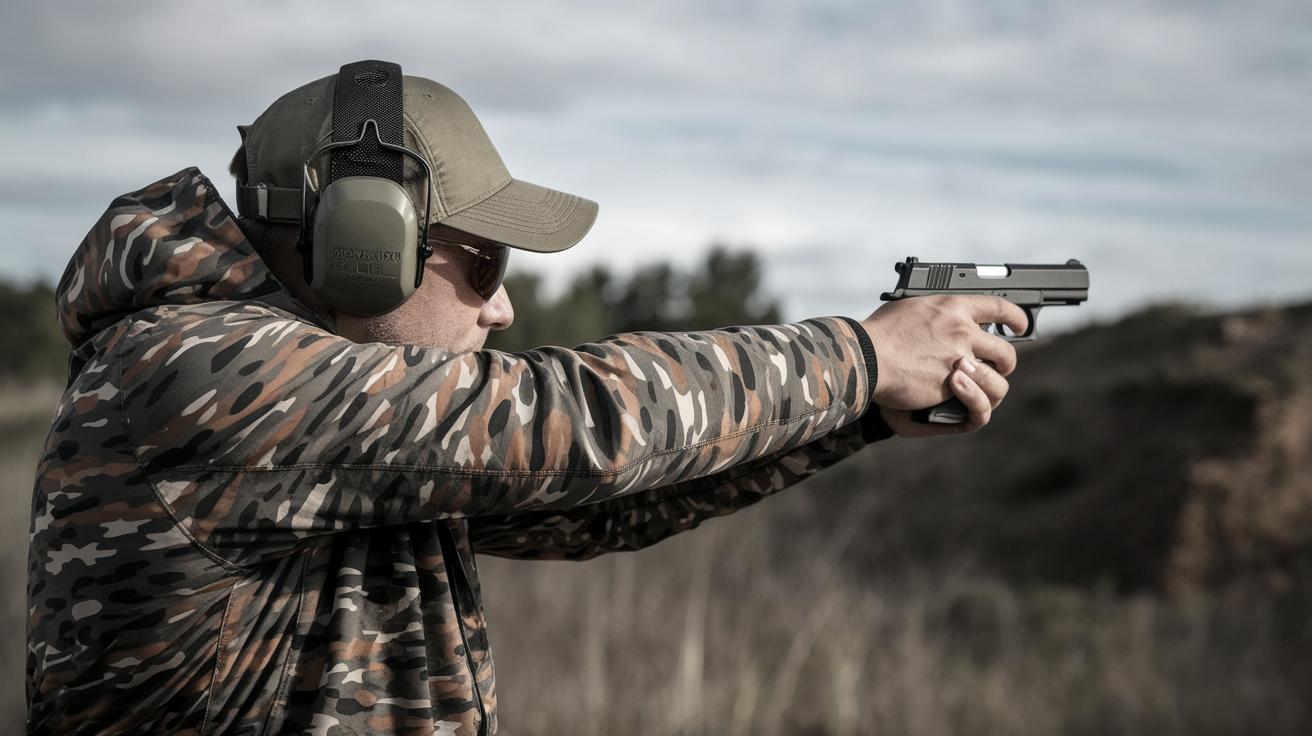
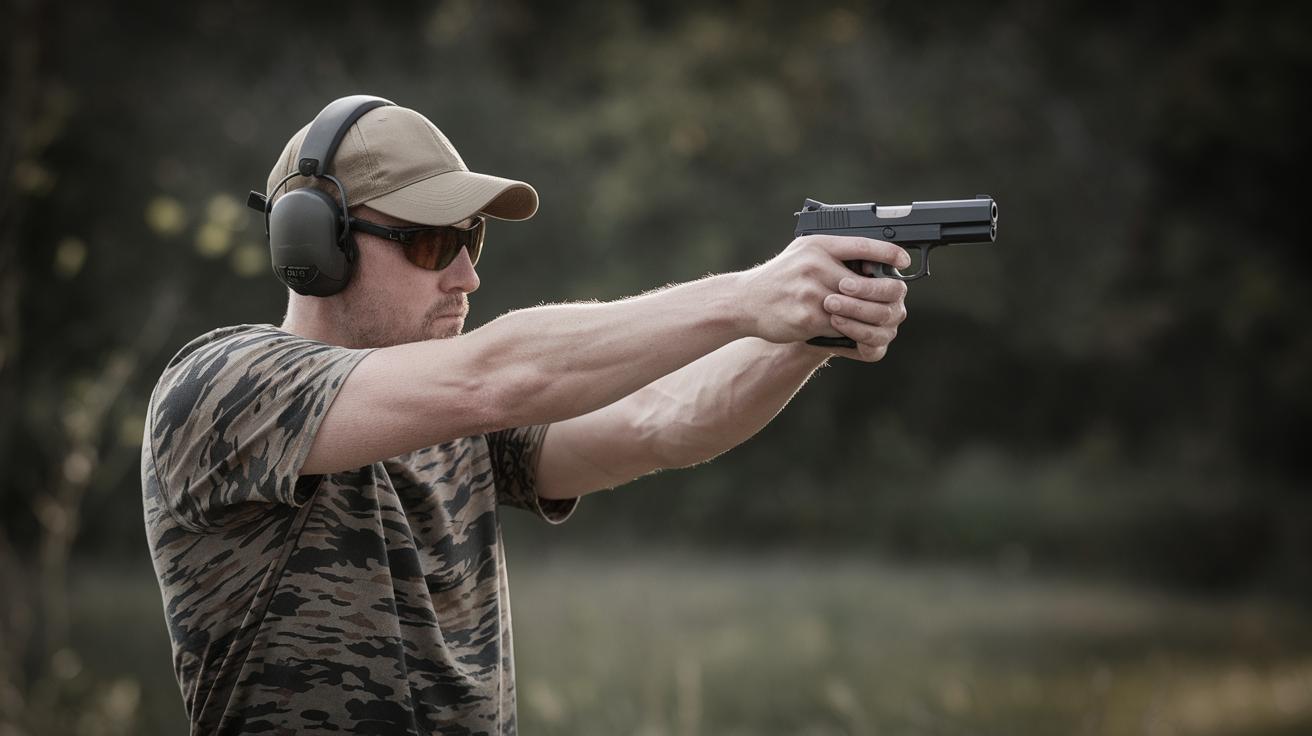
Using a two-handed grip is widely regarded as one of the most stable ways to hold a pistol. This grip provides enhanced control over the firearm, reducing the muzzle flip that can affect accuracy. The key is to make the two hands work together as a cohesive unit, maintaining stability and control during each shot. The dominant hand should firmly grasp the pistol’s grip, with the index finger resting alongside the trigger guard until ready to shoot.
Meanwhile, the non-dominant hand serves as a support, wrapping around the dominant hand and reinforcing the firearm’s grip. This supportive role of the non-dominant hand helps manage recoil and facilitates faster target reacquisition. The two-handed grip is preferred by many shooters for its balance of control, stability, and accuracy.
Find the Right Grip Strength
Finding the right grip strength is crucial in maintaining control without exerting unnecessary force that may lead to fatigue or shaking. A common mistake is holding the pistol too tightly, which can cause tremors and affect your ability to aim accurately. Instead, aim for a firm yet relaxed grip—similar to a firm handshake—where the firearm feels securely in hand but not overly tense.
Your grip strength should actively counteract the recoil while allowing for precise trigger control. Experiment with different levels of pressure to find what best suits you, keeping in mind that a good grip is firm enough to maintain control without compromising comfort or precision. Regular practice will help in identifying and maintaining the optimal balance in grip pressure.
Place One Hand Under the Other
In the two-handed grip method, placing one hand under the other forms the foundation of effective pistol handling. The dominant hand holds the pistol firmly in its grip, while the support hand comes up from below, creating a solid base that stabilizes the firearm and minimizes movement. This technique is essential in absorbing recoil forces, allowing successive shots to be made more quickly and accurately.
By positioning the support hand beneath the dominant one, shooters can better manage recoil and sustain their stance after each shot. The alignment of the fingers and palms is crucial; they should mesh tightly without causing discomfort. This position aids in maintaining a stable shooting platform, increasing confidence and control over the firearm.
Use Opposite Forces
In firearms handling, utilizing opposite forces between the hands can significantly improve stability. This involves the dominant hand pushing slightly forward while the support hand pulls back toward the body, creating a counterbalance. This dynamic tension enhances grip stability, providing better control over recoil and muzzle flip.
This balance created by opposite forces allows for quicker target reacquisition and improves overall shooting performance. By refining this technique, shooters can efficiently control the firearm while maintaining accuracy, even during rapid-fire sequences. Practice is essential to mastering this method, as the coordination required can vary based on individual strength and the firearm’s characteristics.
Top of the Barrel Up, Bottom of the Handle Down
Maintaining the correct alignment of the pistol – with the top of the barrel up and the bottom of the handle down – is critical for accuracy. Proper alignment ensures that the trajectory of the bullet remains true to the shooter’s aim. An improper angle can significantly affect the point of impact, causing missed shots and potential safety risks.
Shooters should focus on keeping the wrists locked to prevent the pistol from tilting during firing. The natural alignment of the arms when extended should assist in maintaining this orientation, promoting consistency in shot placement. Practicing proper alignment is essential for developing muscle memory, ensuring each shot follows a predictable and accurate trajectory.
Control Your Breathing
Controlling one’s breathing is an often-overlooked yet essential aspect of accurate shooting. Steady, controlled breathing helps maintain focus and reduce involuntary movements, especially as the trigger is pulled. Ideally, shots should be taken at the natural respiratory pause found at the end of an exhaled breath, minimizing body movement and achieving stability.
Practicing breathing control in conjunction with other grip techniques can vastly improve shooting precision. Consistent breathing practices contribute to settling nerves and maintaining a calm state, essential for clear focus and making well-aimed shots under pressure.
Pull the Trigger Slowly
The act of pulling the trigger plays a pivotal role in shot accuracy. Instead of jerking or slapping the trigger, it should be squeezed slowly and deliberately. This gradual application of pressure prevents unnecessary movement of the gun, which can throw off aim and shot placement.
Trigger discipline is crucial; the finger should be placed on the trigger’s center and pressure applied evenly, allowing the shot to be a surprise break. This consistent method aids in reducing flinching and improves accuracy. By incorporating slow and steady trigger pulls, shooters can significantly enhance their shooting precision and control.
Final Thoughts on How to Hold a Handgun
The mastery of holding a handgun correctly is a multifaceted skill that combines physical techniques and mental focus. Through the application of a two-handed grip, balanced grip strength, strategic hand placement, and controlled breathing and trigger actions, shooters can achieve greater accuracy and safety. Committing to consistent practice will cultivate skills over time, embedding good habits into every shot taken.
These learned methods not only bolster confidence and effectiveness when handling firearms but also contribute to overall safety. By integrating the outlined techniques into regular practice routines, shooters can look forward to marked improvements in their shooting capabilities.
1 comment
John Doe:
Great post! I’ve been shooting for a few years, and this guide offered some new insights. Thanks!
Leave a comment.
| Step | Description |
|---|---|
| Use Two-handed Grip | A stable method for controlling the pistol, reducing recoil, and improving accuracy. |
| Find the Right Grip Strength | Strike a balance in grip pressure for control without causing fatigue or shaking. |
| Place One Hand Under the Other | Establishes a solid base, enhancing stability and control during shooting. |
| Use Opposite Forces | Create dynamic tension for better recoil management and faster target reacquisition. |
| Top of the Barrel Up, Bottom of the Handle Down | Correct alignment ensures accurate shooting and consistent bullet trajectory. |
| Control Your Breathing | Facilitates focus and minimizes movement, leading to better precision. |
| Pull the Trigger Slowly | Promotes accuracy by preventing unnecessary movement and surprise shot break. |