
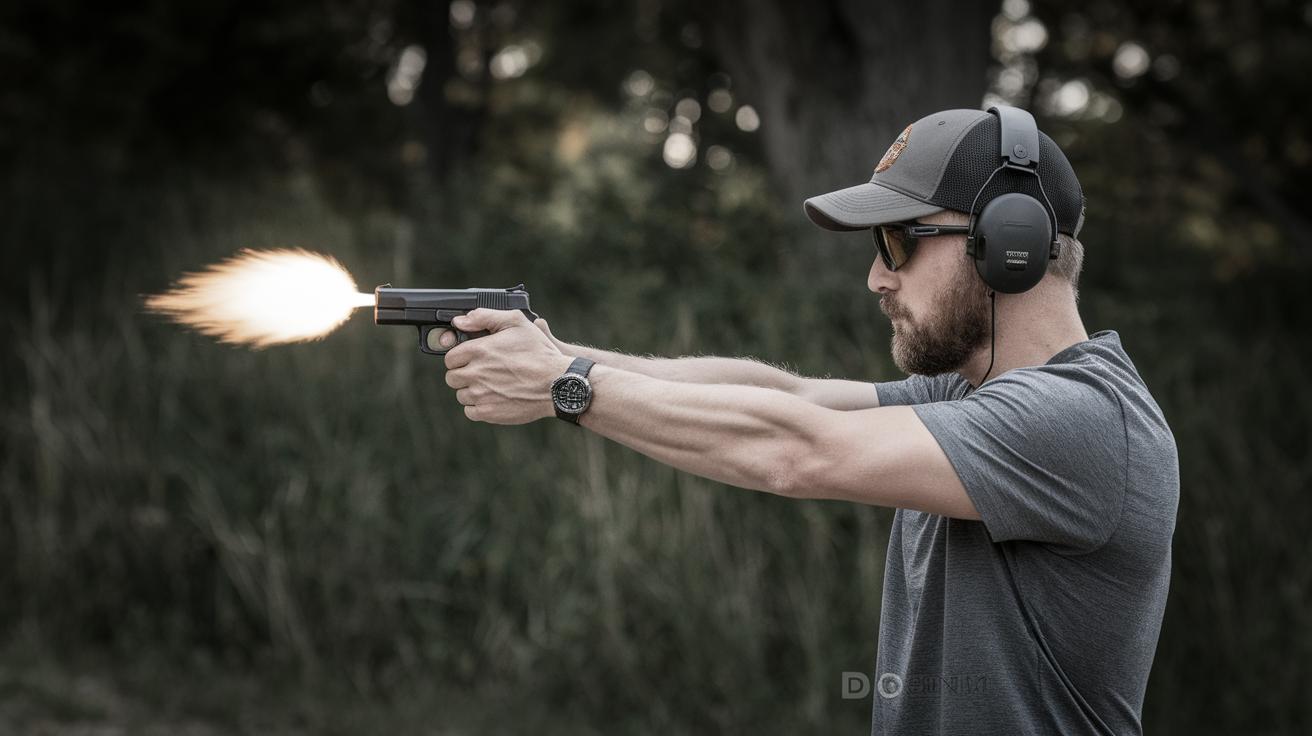
Proper Handgun Handling: How Far to Hold a Handgun from Your Body
Firing a handgun requires careful attention to detail, technique, and safety. One important consideration is how far to hold the handgun from your body for optimal control and precision. In this blog post, we explore various aspects of handgun handling, including grip strength, breathing control, and the proper use of opposite forces. By understanding these elements, you can improve your shooting accuracy and maintain safety. Whether you’re a beginner or a seasoned shooter, these tips will help you refine your skills and ensure effective handgun use.
Important
Understanding the importance of proper handgun handling is crucial for both safety and accuracy. When holding a handgun, keeping the correct distance between the gun and your body is essential for stability and control. This blog post delves into the techniques that ensure a secure grip, steady aim, and accurate shooting.
During shooting practice, maintaining the correct stance prevents injury and enhances confidence. Knowing how far to hold your handgun not only supports your physical form but also influences your mental focus. By keeping the firearm at the appropriate distance, you can align the barrel with the target efficiently, minimizing any errors caused by incorrect positioning.
Use Two-handed Grip
One of the most effective methods to stabilize a handgun involves using a two-handed grip. The two-handed grip provides greater control over the firearm, reducing muzzle rise and improving accuracy. By supporting the gun with both hands, you distribute the weight evenly, allowing for a more consistent aim and less fatigue during extended shooting sessions.
The dominant hand should grip the handgun firmly, with fingers wrapped around the handle. The non-dominant hand then envelops the other, creating a secure lock around the grip. This combination maximizes the support offered to the firearm, ensuring a stable shooting platform that contributes to better shot placement and consistency.
Find the Right Grip Strength
Grip strength is paramount when handling a handgun. Too much grip pressure can cause strain, while too little may lead to reduced control and inaccurate shots. Achieving the right balance involves a firm yet flexible grip that allows for full control without compromising comfort or precision.
A proper grip should feel natural, like a firm handshake. Your grip strength should ensure the gun remains stable during firing while allowing fingers to manipulate the trigger smoothly. Regular practice and self-awareness are key to developing the perfect grip that enhances your shooting experience.
Place One Hand Under the Other
Placing one hand under the other while holding a handgun is another technique that enhances stability. This hand positioning creates a platform ensuring the gun remains aligned with the target. The supportive hand serves as a base, absorbing recoil and maintaining the barrel’s alignment.
This underhand support plays a significant role in follow-up accuracy. As the supportive hand steadies the firearm, the dominant hand focuses on trigger operation and aiming. Together, this technique minimizes unwanted movement and helps maintain a consistent position shot after shot.
Use Opposite Forces
Utilizing opposing forces involves applying pressure in opposite directions with each hand. This technique, often referred to as the “push-pull” method, balances the handgun, countering recoil, and promoting a stable shooting stance.
The dominant hand pushes slightly forward, while the supportive hand pulls back towards the shooter’s chest. These contradictory forces work together, reducing muzzle flip and helping stabilize aim. Practicing this technique can improve shot accuracy and provide overall better control during firing.
Top of the Barrel Up, Bottom of the Handle Down
Proper alignment of the gun is achieved by ensuring the top of the barrel points up and the bottom of the handle points down. This orientation not only optimizes aiming but also results in a more natural and relaxed wrist position. Such placement contributes to less fatigue and enhanced focus.
Maintaining this alignment involves consistent awareness of your gun’s positioning relative to your body. Fine-tuning this balance ensures that the gun remains secure and prepared to fire accurately, offering added confidence during shooting sessions.
Control Your Breathing
Breathing affects handgun control significantly, as consistent breathing helps manage motion and precision when firing. Practicing breath control involves synchronizing your breathing patterns with your shooting rhythm. Breathing deeply before a shot can help steady the body and sharpen focus.
Holding your breath momentarily while squeezing the trigger can stabilize your torso, minimizing movement. This practice ensures a smoother shot delivery. Incorporating controlled breathing techniques into your routine improves the consistency of shots, elevating overall performance.
Pull the Trigger Slowly
Trigger control is an art that requires patience and practice. Pulling the trigger slowly helps maintain sight alignment and reduces the likelihood of anticipatory movements that disrupt accuracy. A smooth, gradual pull ensures that the shot surprises you, a technique that enhances precision.
Awareness is key during trigger operation. Concentrate on applying consistent pressure, focusing solely on the trigger action, and avoiding any sudden changes in grip tension or stance. This disciplined approach to trigger control refines shooting accuracy and creates a more stable firing platform.
Final Thoughts on How to Hold a Handgun
Mastering proper handgun handling demands a comprehensive understanding of grip, stance, and body mechanics. Implementing techniques such as a two-handed grip, the push-pull method, and synchronized breathing refines your shooting prowess and ensures both accuracy and safety.
Continual practice and mindful application of these principles will lead to noticeable improvements in your shooting capabilities. By integrating these strategies, you gain not only precision and control but also the confidence needed to handle a handgun safely and effectively.
1 comment
John Doe: “This information was incredibly helpful; it improved my shooting accuracy significantly!”
Leave a comment.
Share your thoughts and experiences, and join the discussion on proper handgun handling techniques!
| Technique | Benefit |
|---|---|
| Two-handed Grip | Provides stability and control, reduces muzzle flip. |
| Proper Grip Strength | Ensures control without compromising comfort. |
| Hand Placement | Offers a steady platform for improved aiming. |
| Opposing Forces | Balances recoil, stabilizing the gun. |
| Barrel and Handle Alignment | Optimizes accuracy through natural wrist positioning. |
| Breath Control | Reduces motion, enhances shot precision. |
| Slow Trigger Pull | Maintains alignment, improves shot accuracy. |