Should You Close an Eye When Shooting a Handgun?
As a skilled marksman or someone just embracing the exciting world of shooting, one dilemma you may encounter is whether to close one eye or keep both eyes open when taking aim with a handgun. This decision has been a topic of debate among shooting enthusiasts and experts for years. Our discussion here will explore the science and benefits of shooting with both eyes open, including techniques such as optic drills and focus exercises. We’ll also provide recommendations on relevant eyewear and eye care, ensuring your practice is not just effective but safe. Lastly, a summary table will help you navigate through the wealth of information provided, making your learning journey as seamless as possible.
Shooting with Both Eyes Open and the Science of it
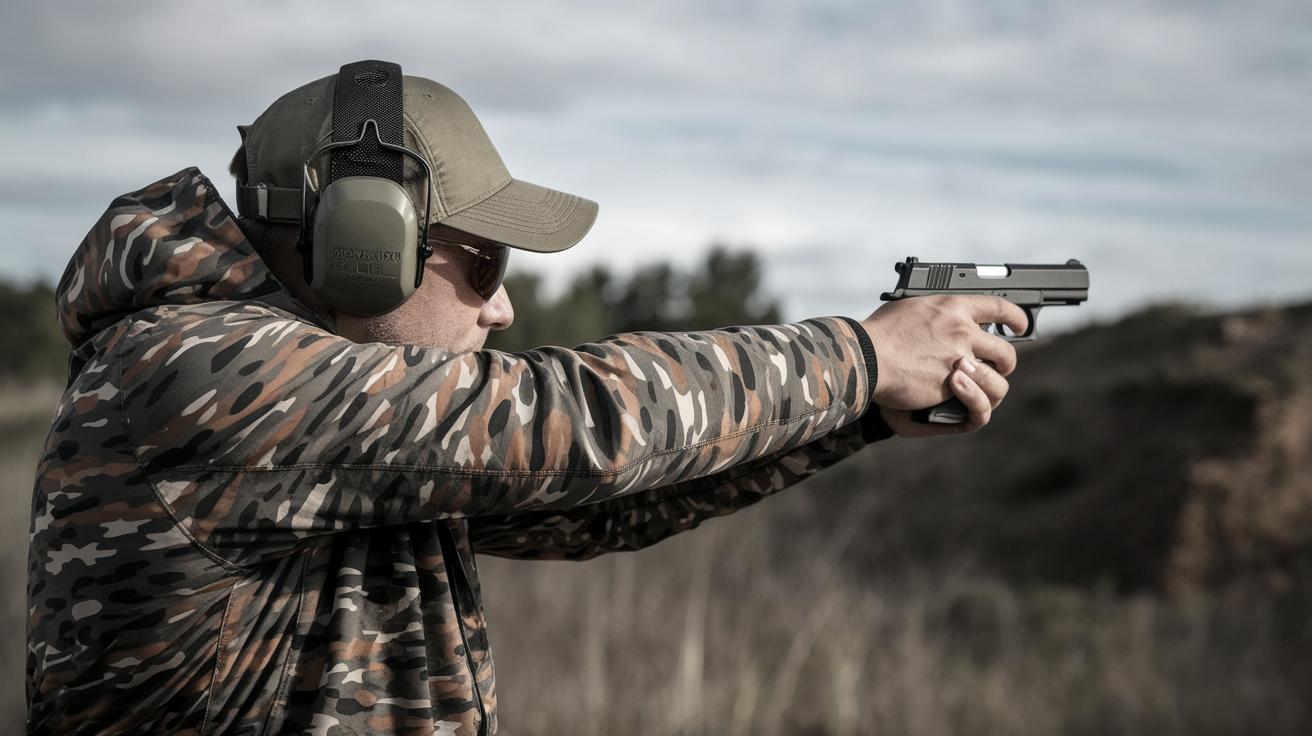
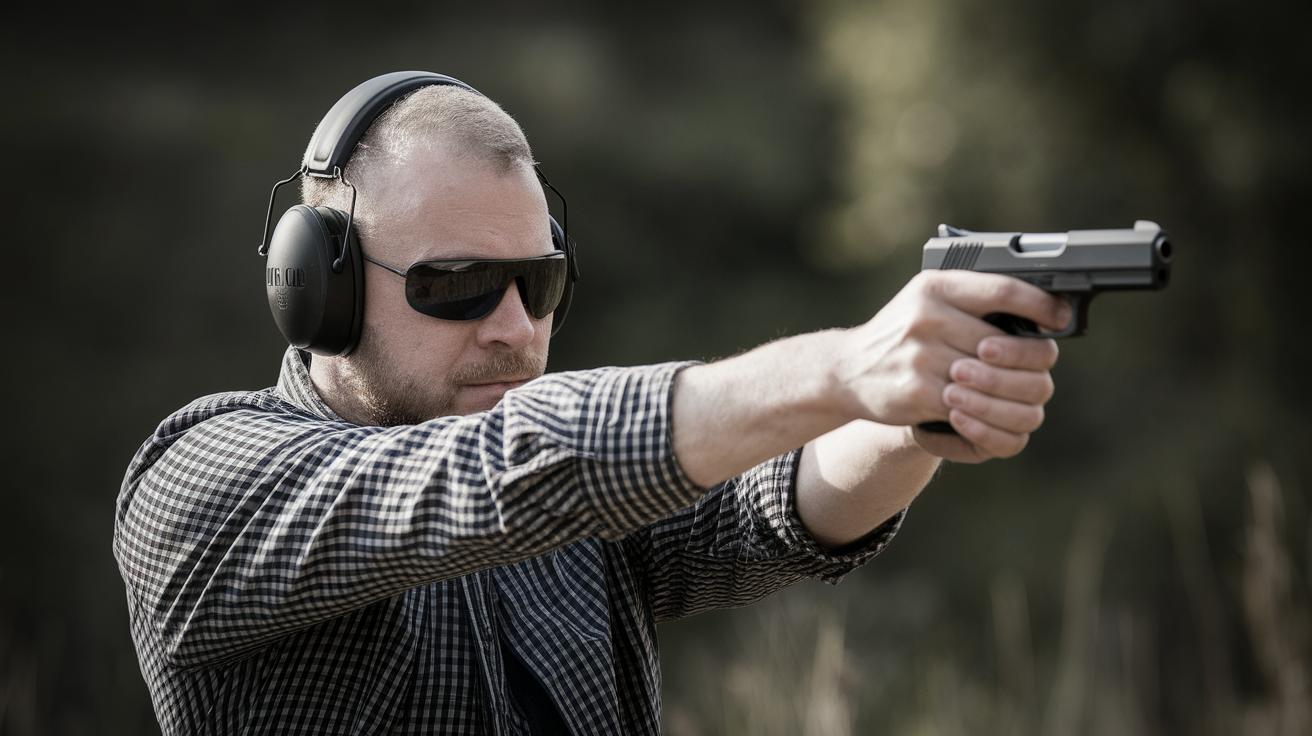
Shooting with both eyes open is often recommended for improving field awareness and increasing shooting precision. Keeping both eyes open allows you to maintain peripheral vision, enhancing situational awareness and ensuring you are more aware of your surroundings while focusing on the target.
The science behind this practice lies in the way our brains process visual information. With both eyes open, your brain receives depth cues from each eye, creating a more vivid and comprehensive perception of your environment. This binocular vision can be particularly advantageous in dynamic or defensive shooting scenarios, where rapid assessment of the surroundings is crucial.
Learn To Shoot With Both Eyes Open
Transitioning to shooting with both eyes open may require practice and patience. Beginners might find it challenging to keep focus with dual vision initially. However, the process is rewarding as it can lead to better accuracy and faster target acquisition over time. Start by slowly integrating both-eye shooting in your routine, beginning with stationary targets before advancing to more complex scenarios.
As you practice, focus on maintaining a relaxed posture and consistent breathing. This state of relaxation helps reduce strain and permits a more natural coordination between focusing on the target and staying aware of your surroundings. Over time, the practice should feel more intuitive, resulting in improved shooting performance.
Two Warnings on Eye Dominant Shooting
Eye dominance plays a crucial role in shooting effectiveness. It’s important to identify your dominant eye as it significantly influences aiming and alignment with the target. Test for eye dominance by extending your arm and aligning your thumb or finger with a distant object, then close each eye alternately. The eye that maintains alignment is your dominant eye.
Be cautious of cross-dominance, where your dominant eye and dominant hand are on opposite sides. This can create initial discomfort and may necessitate adjusting your shooting stance or re-training your non-dominant eye. Understanding and adapting to this is essential to maximize both accuracy and comfort in shooting practices.
Optic Drills
Optic drills are valuable exercises designed to enhance focus and visual acuity while keeping both eyes open. These drills help shooters become more adept at aligning their sights with the target quickly. To start, use static targets with clear landmarks that assist in maintaining alignment during quick succession shots.
The progression from static to dynamic targets can be facilitated with optic drills, allowing shooters to maintain sharp focus despite movement or pressure. Regularly incorporating these exercises in your training regimen helps improve speed and precision, essential for more advanced shooting scenarios.
Dry Fire Pencil Drill
The dry fire pencil drill is a straightforward yet effective exercise that can be performed virtually anywhere. This drill involves balancing a pencil on the barrel of your unloaded gun, taking aim at a fixed point while maintaining balance. As you pull the trigger, ensure the pencil remains stable, which indicates a smooth trigger pull.
Beyond improving trigger control, this drill sharpens your ability to focus on the sight picture with both eyes open. It serves as an excellent practice tool for maintaining coordination between eye focus and physical control of the handgun.
Near Far Focus
Near far focus exercises are excellent for training your eyes to transition smoothly between focusing on the gun’s sights and the target. Start by holding your thumb up at arm’s length, with a target in the background. Practice shifting your focus between your thumb and the target, noticing how your sight picture changes.
This type of drill enhances your visual flexibility and helps develop a keen ability to adjust focus quickly, a vital skill in high-pressure or moving-target scenarios. Frequent practice enables a smoother and more accurate transition, which is crucial for both defensive and competitive shooting.
How to Aim with Both Eyes Open Training Time
Integrating both eyes open aiming into your repertoire takes time and commitment. Many shooters find it advantageous to set a consistent training schedule, emphasizing quality over quantity. Begin with shorter, focused sessions to acclimate, gradually extending duration as your comfort and proficiency enhance.
Incorporating feedback mechanisms, such as video recording your sessions or utilizing mirrors, can be incredibly beneficial. These tools allow you to monitor progress objectively, ensuring that your practice is aligned with achieving mastery in aiming with both eyes open.
Eye Care
In the drive for improved performance, do not neglect the importance of eye care. Shooting can place significant strain on your eyes, particularly as you practice sustaining focus with both eyes open. Regular breaks, adequate lighting conditions, and adhering to safety measures are essential in maintaining healthy vision.
Consider consulting with an optometrist for regular eye exams, especially if you experience discomfort or vision challenges during practice. Proper eye care ensures that your vision remains sharp and responsive, aiding long-term success in shooting endeavors.
Shoot With Both Eyes Open Eyewear
Protective eyewear designed specifically for shooting can offer significant benefits, ranging from shielding your eyes from debris to enhancing your sight picture. Polarized lenses reduce glare, which can be particularly helpful in outdoor settings. Additionally, tinted or color-enhancing lenses can improve contrast and depth perception.
Investing in quality eyewear is crucial and should be tailored to your specific environment and shooting needs. Properly fitting eyewear increases comfort and protection, allowing you to focus more effectively during training and live fire exercises.
Contents
The comprehensive techniques covered in this post provide a solid foundation for mastering the skill of shooting with both eyes open. From optic drills and focus exercises to eye care tips and eyewear recommendations, each section offers valuable insights to enhance your shooting accuracy and safety.
Related Stories
Explore more on developing a sharp shooting eye with stories about seasoned marksmen who overcame challenges related to eye dominance. Delve into biographies or interviews that provide inspiration and guidance, revealing lesser-known secrets honed through experience and dedicated practice.
Most Popular
Readers interested in advancing their shooting skills have found insights particularly useful from related articles on the importance of mental agility and focus techniques. Check out the most highly rated content that resonates with our engaged community of shooting enthusiasts and professionals.
Final thoughts
Here’s a quick summary table to help you navigate key aspects of shooting with both eyes open:
| Section | Main Points |
|---|---|
| Shooting with Both Eyes Open and the Science of it | Enhances peripheral vision, depth cues benefit accuracy |
| Learn To Shoot With Both Eyes Open | Requires practice, increases target acquisition speed |
| Two Warnings on Eye Dominant Shooting | Identify dominant eye, manage cross-dominance |
| Optic Drills | Improves quick alignment, crucial for dynamic targets |
| Dry Fire Pencil Drill | Enhances trigger control, focus on sight picture |
| Near Far Focus | Trains visual flexibility, essential for moving targets |
| Eye Care | Includes regular exams, protects against strain |
| Shoot With Both Eyes Open Eyewear | Protects and enhances vision, tailored to needs |