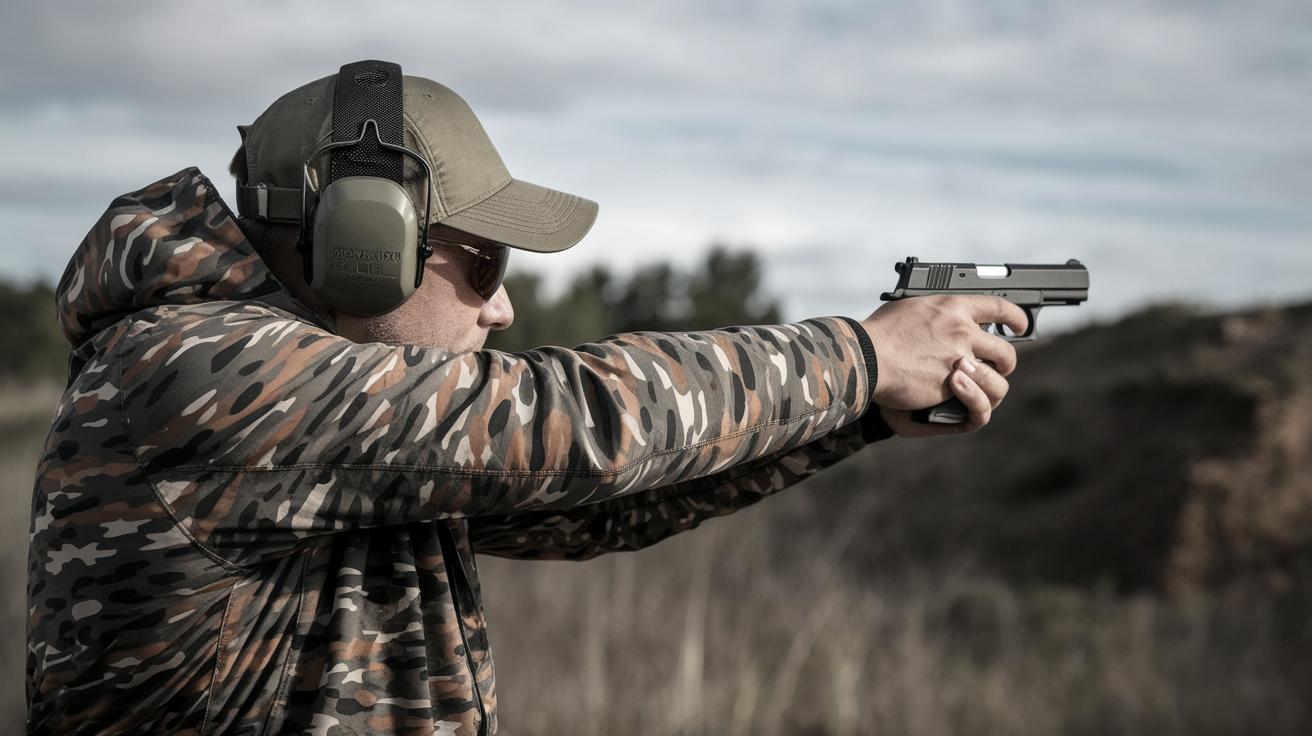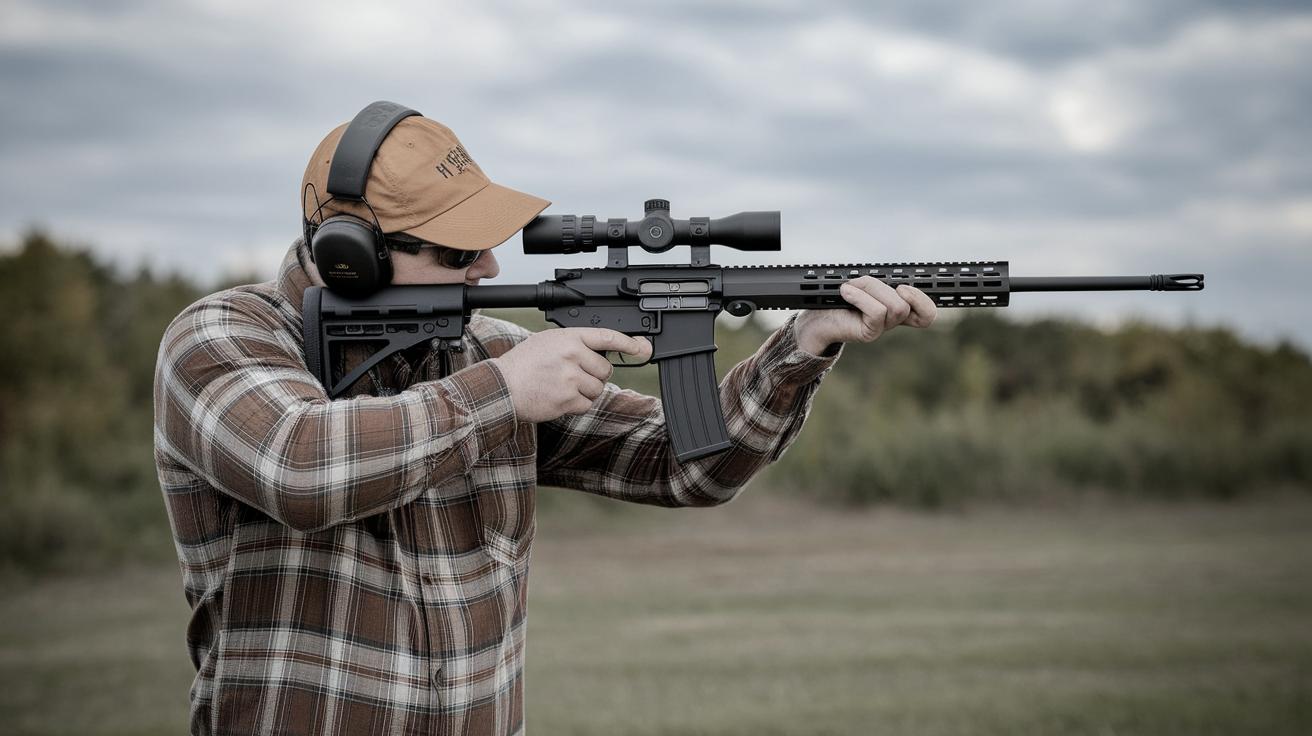
Mastering Trigger Technique for Accurate Shooting
Shooting accurately, whether with a rifle or a handgun, requires a blend of technique, practice, and understanding. One of the most crucial aspects of shooting is the way you pull the trigger. This blog post delves into essential techniques that ensure consistent and precise shots. We will explore the four fundamental factors of accurate shooting and break them down using the B.R.A.S.S. method. Key aspects such as proper finger placement and follow-through are critical for achieving accuracy. We will also discuss how anticipation can affect your shot and offer tips on practicing your trigger pull. Finally, we provide a glossary that defines critical terms and concept summaries. By adopting these strategies, you will enhance your shooting skills and make every shot count.
Four Fundamentals for an Accurate Rifle Shot
Shooting accuracy begins with understanding the core fundamentals that influence your shot. These fundamentals include position, sight alignment, breathing control, and trigger control. Each plays a pivotal role in the quality of your shot and must be understood and practiced consistently for improvement.
Your shooting position should be stable and comfortable, allowing minimal movement of the firearm. Sight alignment is about aligning your sights with the target, ensuring that your aim is true. Breathing control is crucial as it helps maintain steadiness; taking a breath and exhaling slowly can reduce body movement while pulling the trigger.
Finally, and perhaps most importantly, is trigger control. This involves how you engage the trigger with your finger. Consistent, smooth, and deliberate pressure is key to preventing unwanted rifle movements that can lead to a miss.
B.R.A.S.S.
Proper Finger Placement
B.R.A.S.S. stands for Breathe, Relax, Aim, Squeeze, and Shoot. It is a mnemonic to help shooters maintain focus and execute a consistent shot. Within this method, proper finger placement is crucial. Ideally, the pad of your index finger should make contact with the trigger. Avoid pulling with the joint as this can lead to lateral movements and affect shot precision.
Placing the pad of your finger on the trigger allows for a straight-back pull, minimizing side-to-side movement of the firearm. Consistent finger placement also contributes to muscle memory, leading to more accurate shots over time.
It’s OK to Anticipate the Shot
Many shooters are taught not to anticipate the shot, fearing it can lead to pulling the shot off target. However, controlled anticipation can be beneficial. Understanding the mechanical operation of the firearm and timing of the trigger break allows shooters to better manage recoil and follow through.
With practice, you can anticipate the trigger break without disrupting your aim. Controlled anticipation helps you prepare mentally, reducing flinching or jerking that can affect accuracy. Remaining calm and mentally prepared improves overall shooting confidence and execution.
Follow-Through and Trigger Pull
Follow-through is as crucial as the shot itself, often dictating its accuracy. This involves maintaining your sight alignment and trigger control even after the shot has been fired. By doing so, you’ll prevent any premature movements that could disrupt the bullet’s trajectory.
A smooth trigger pull is about applying steady pressure directly to the rear without interruption. This requires the shooter to be patient and consistent, as hurried pulling often leads to inaccuracy. Practicing follow-through helps maintain focus and control, attributes that are vital for developing shooting skill.
Practice Trigger Pull
Regular practice is indispensable in achieving an accurate and consistent trigger pull. Dry firing exercises can be a highly effective method for practicing trigger control without the distractions and variables of live firing.
During these exercises, concentrate on the feel of the trigger and the movement of your finger, focusing on a smooth and controlled pull. Practicing repeatedly aids in embedding these techniques as second nature when live firing, ultimately improving shooting performance.
Make Proper Technique Your Edge
Effective shooting techniques give you the edge needed for accuracy. By refining your trigger pull and other shooting fundamentals, you enhance your ability to shoot accurately under various conditions.
Cultivating a disciplined shooting technique requires patience and dedication. However, once mastered, these skills offer significant advantages in precision shooting scenarios, whether competitive or recreational.
Glossary
-
Position:
The body alignment and stance for steady shooting. -
Sight Alignment:
Aligning the firearm sights correctly with the target. -
Trigger Control:
The method and technique used to engage the trigger smoothly and consistently. -
B.R.A.S.S.:
A systematic approach emphasizing breath control, relaxation, proper aim, and smooth trigger manipulation before shooting. -
Follow-Through:
Maintaining control and focus after the shot is fired to ensure accuracy. -
Dry Firing:
Practice firing a firearm without ammunition to improve technique.
Final Thoughts
| Topic | Key Point |
|---|---|
| Four Fundamentals | Position, sight alignment, breathing, and trigger control are core to accuracy. |
| B.R.A.S.S. | A systematic method emphasizing relaxed and systematic shooting. |
| Proper Finger Placement | Use finger pad for a direct and smooth trigger pull. |
| Anticipate the Shot | Controlled anticipation aids in mental preparedness and reduces flinching. |
| Follow-Through | Ensures control and accuracy post-shot. |
| Practice | Regular, focused practice enhances technique and accuracy. |