How to Aim with a Gun: A Comprehensive Guide
Aiming accurately with a gun is crucial not only for hitting your target but also for ensuring safety in firing. In this comprehensive guide, we delve into the essential techniques and principles behind effective gun aiming. We’ll explore the B.R.A.S.S. method, discuss the importance of sight alignment, and examine techniques specific to handguns. By focusing on these core areas, this article aims to enhance your understanding and skills in gun handling, ultimately leading to improved accuracy and confidence. Whether you are a beginner or advanced shooter, understanding these critical aspects can transform your shooting experience.
B.R.A.S.S.
The B.R.A.S.S. method is a classic acronym used to remind shooters of the key steps in accurate shooting: Breathe, Relax, Aim, Slack, and Squeeze. Each of these steps contributes significantly to hitting your target with precision. Breathing is vital as it helps in steadying the body and reducing stress, which in turn minimizes shaking. Before you take your shot, take a deep breath, and as you exhale, aim.
Relaxing is often considered one of the more challenging elements because tension can creep in without notice. Relaxing your muscles helps maintain better control over the recoil and increases accuracy. Aiming is about precise focus, which will be discussed in detail later, but in essence, it involves aligning your sight picture perfectly.
Next is slack, referring to taking the slack out of the trigger before pulling it. This means pressing until you feel resistance in the trigger. Lastly, squeezing the trigger should be a smooth action as opposed to pulling or jerking, which can alter your aim. Practicing B.R.A.S.S. regularly is a discipline that sharpens both mental and physical aspects of shooting.
Sight Alignment
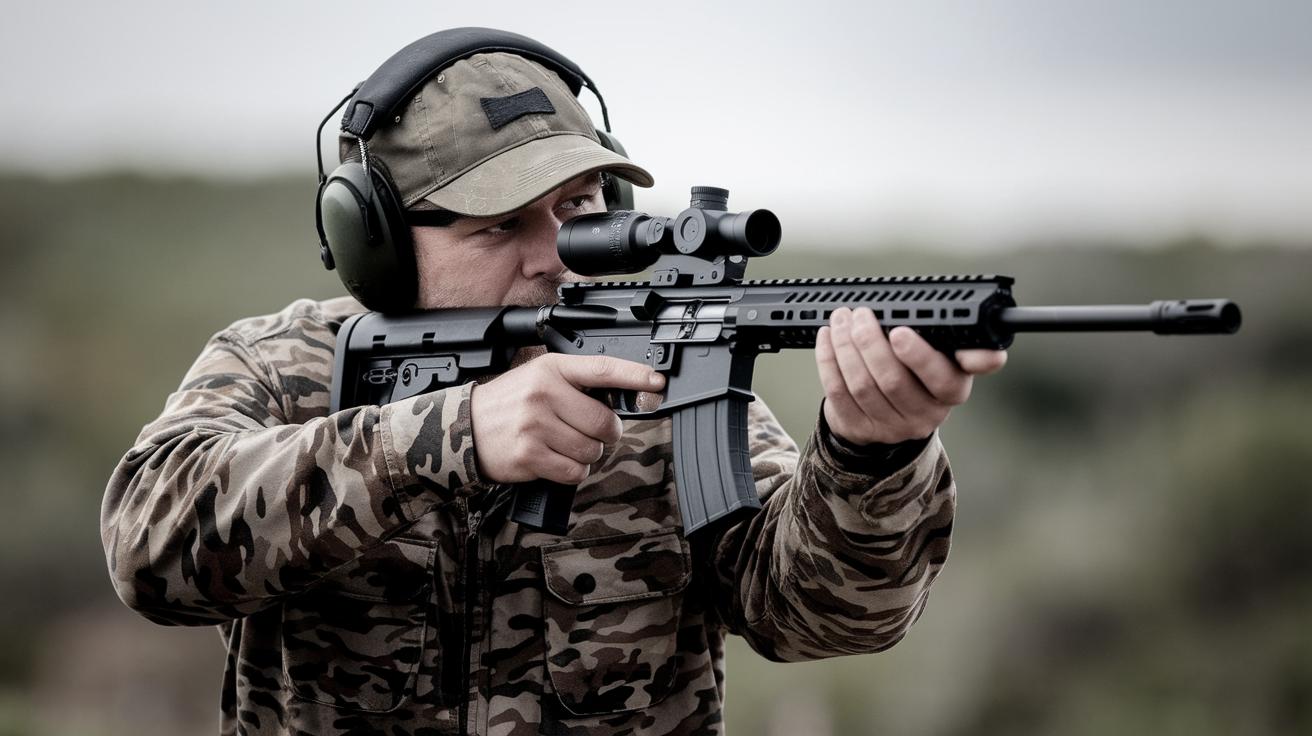
Sight alignment is one of the most fundamental skills in aiming a firearm accurately. It involves lining up the front and rear sights on a gun to form a proper sight picture. Proper alignment requires the shooter to focus on the front sight so that it is sharp and clear, while accepting a less distinct image of the rear sight and the target.
The concept of sight alignment applies to all firearms, whether rifles or handguns. For beginners, maintaining proper sight alignment can be challenging at first, especially under stress. However, with consistent practice, shooters can develop a muscle memory for this, thereby improving their instinctive shooting performance.
Trained professionals emphasize the importance of sight alignment, particularly under dynamic conditions where factors like movement and excitement could cause a shooter to lose focus. Remember, an incorrect sight alignment can lead to shots that miss the target, making this a key area of practice for aspiring marksmen.
Aiming
Contents
- The Basics of Aiming a Firearm
- Understanding Sight Alignment
- Handgun Aiming Techniques
- Aiming with Focus Techniques
- Center Mass Hold Explained
Aiming encompasses more than just sight alignment; it involves understanding the dynamics between the shooter, the weapon, and the target. It’s about harmonizing your body and mind with your equipment to achieve precision.
Effective aiming requires practice and patience. Begin by mastering the fundamentals such as proper stance, grip, and follow-through. Consistent practice in using sights, knowing gun ergonomics, and engaging in dry firing techniques can significantly improve a shooter’s aim over time.
Additionally, understanding the ballistic behavior of the firearm you’re using, including bullet trajectory and possible environmental influences such as wind, can further refine your aiming skills. Therefore, ongoing learning and adaptation are crucial components of honing one’s aiming ability.
How to Aim a Handgun Using Sight Alignment
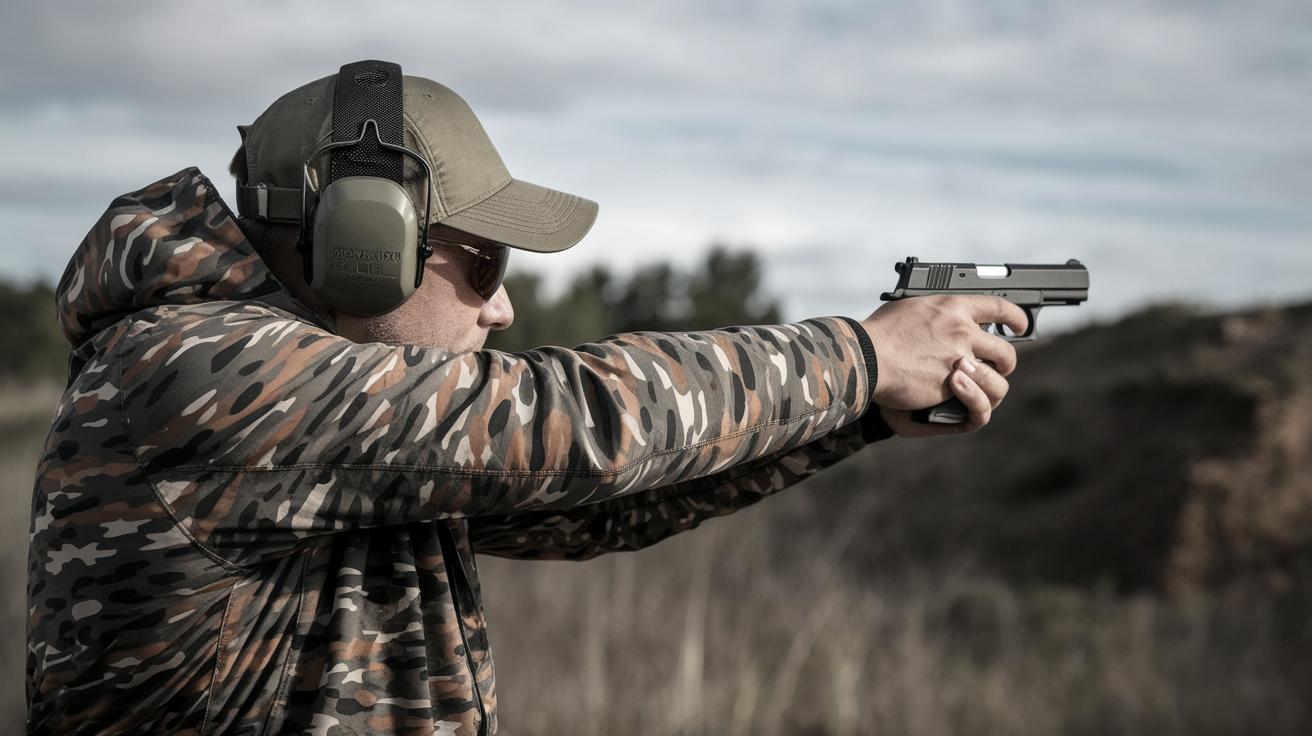
Aiming a handgun requires a stringent focus on sight alignment due to the inherent challenges in stabilizing the handgun while aiming. This process firstly involves lining up the front and rear sights so that they are perfectly centered and at the same level. The front sight post should be sharper, as focus should be placed here rather than the target.
It’s fundamental to ensure that the front sight is clear and vivid in your line of sight. The rear sight should flit into a natural blur; mastering this focus can drastically influence shot accuracy. Handgun shooters often struggle with maintaining a steady hand, so integrating good grip techniques will contribute to successful handgun aiming.
Consistent practice at a shooting range allows shooters to develop a feel for sight alignment and how to recalibrate rapidly if the aim begins to falter. Additionally, using both eyes for aiming—even while gathering sights with one predominant eye—can offer better depth perception and peripheral view, which is beneficial in practical shooting scenarios.
Aiming A Gun And How To Focus On It
Focusing on aiming is not merely a physical act but also a mental process. It’s about channeling concentration on the right aspects of the sighting process. Shooters must learn to balance sight alignment with target engagement, prioritizing the clearness of the front sight.
Mental focus plays a hefty role. It is essential to eliminate distractions and develop an innate ability to visualize the desired outcome of accurate shooting. Consider shooting drills that incorporate visualization to enhance focus and concentration.
Additionally, learning how to control your breathing impacts focus. Rolling your focus with your breath cycles can help stabilize your aim and prevent erratic movements, making focus an integral part of aiming a firearm effectively.
Gun Aim (Center Mass Hold)
The center mass hold is one of the most effective and recommended techniques for aiming a firearm. This method involves aiming for the largest part of the target, typically the torso or center mass, which maximizes hit probability due to its substantial size.
This aiming technique is particularly useful when under pressure or in a defensive scenario where quick decision-making is critical. The center mass hold allows shooters to manage stress effectively by reducing the demand for pinpoint precision, thereby enhancing strike accuracy in vital situations.
Training with center mass hold should include drills that focus on quick target acquisition and engagement, as these skills are invaluable when reaction times are limited. Learning to adjust slightly for different ranges and movements while maintaining a center mass focus can leverage shooting proficiency effectively in real-world scenarios.
| Section | Key Points |
|---|---|
| B.R.A.S.S. | Steps to precise shooting: Breathe, Relax, Aim, Slack, Squeeze |
| Sight Alignment | Importance of aligning front and rear sights for a proper sight picture |
| Aiming | The dynamics of shooter, weapon, and target alignment |
| How to Aim a Handgun Using Sight Alignment | Handgun specific techniques for sight alignment and aim |
| Aiming A Gun and How to Focus On It | The mental and physical processes of aligning sights with focus |
| Gun Aim (Center Mass Hold) | Aiming at the largest target area for maximizing hit probability |