How to Hold a Handgun
Properly holding a handgun is crucial for both safety and accuracy. Whether you are new to handling firearms or looking to refine your technique, understanding the fundamentals of grip and control is essential. This guide will walk you through the mechanics of holding a handgun, from positioning your hands to controlling your breathing and pulling the trigger. By following these steps, you can ensure that you hold your handgun with stability and precision, thereby improving your shooting experience and maintaining safety.
Use Two-handed Grip
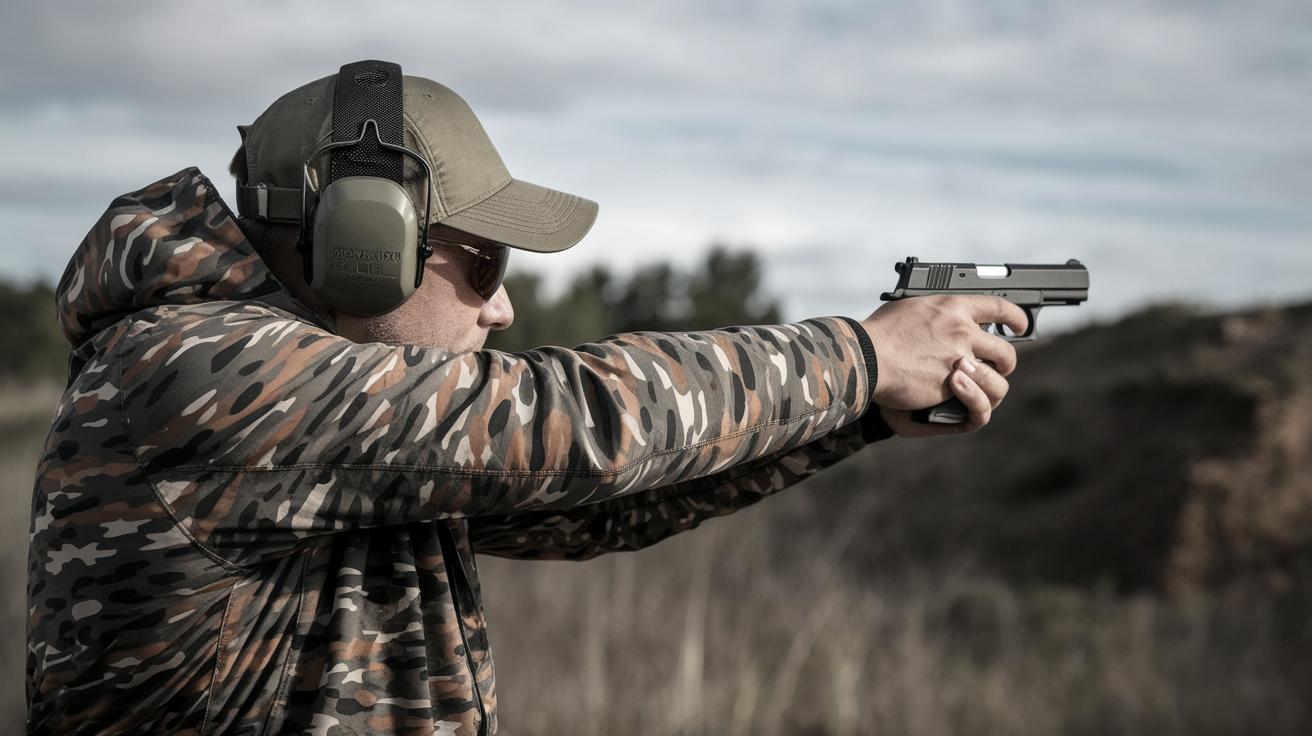
A two-handed grip is widely regarded as the most stable and effective way to hold a handgun. This technique offers superior control and alignment, distributing the recoil force across both hands. By employing both hands, you are also better equipped to manage unexpected movements or misfires.
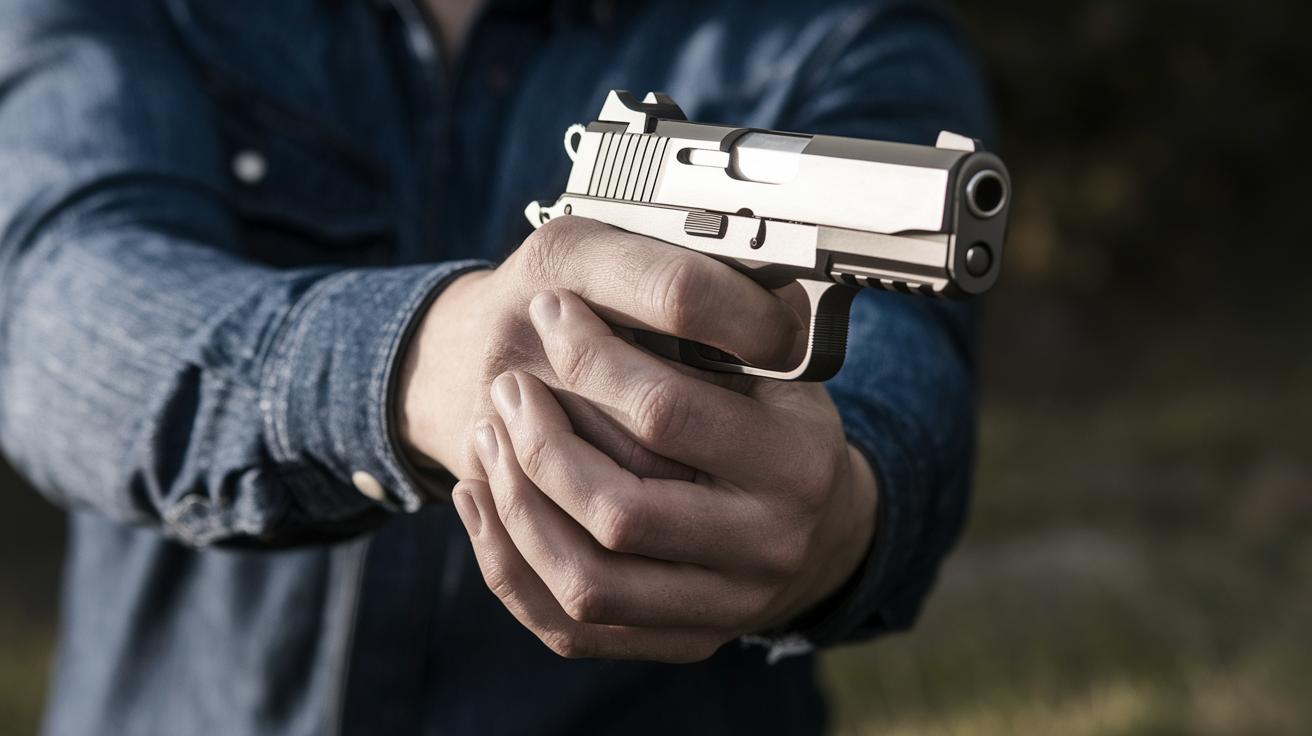
Begin by forming a V-shape with your dominant hand between your thumb and index finger, where you’ll rest the backstrap of the handgun. Wrap your fingers around the grip, ensuring the weapon sits comfortably and securely in your hand. Next, bring your non-dominant hand into play by placing it over the grip, with your fingers enveloping those of your dominant hand. The thumbs should point forward along the side of the barrel, enhancing stability and control.
Find the Right Grip Strength
The strength of your grip plays a significant role in your ability to control the handgun and manage recoil. A grip that is too loose may cause the weapon to shift in your hands, affecting your aim and potentially causing injury. Conversely, gripping too tightly can create unnecessary tension in your muscles, leading to fatigue and a lack of precision.
Aim for a grip strength that allows for firm control without compromising your flexibility or comfort. A balanced grip helps keep your hands steady and minimizes the impact of recoil. Practice gripping the handgun until you find a level of strength that feels both secure and sustainable for extended periods.
Place One Hand Under the Other
When using a two-handed grip, positioning your hands correctly is key to achieving maximum control and safety. Your dominant hand should be positioned on the grip, securing the backstrap comfortably. The non-dominant hand is crucial for reinforcing this grip, bringing additional stability.
Place your non-dominant hand underneath the grip, using the base to support your shooting hand. Both your thumbs should align along the side of the gun, pointing towards the target. This configuration helps distribute the forces and balances the weight of the handgun, allowing for more accurate shots and faster follow-up.
Use Opposite Forces
Employing opposing forces is essential for managing recoil while maintaining a consistent aim. Think of this process as a push-pull technique, where your dominant hand pushes forward and your non-dominant hand pulls back slightly. This creates a dynamic tension that helps to stabilize the gun in various shooting positions.
This method enhances your control over both horizontal and vertical movements during firing, aiding in faster target reacquisition. Practicing this technique will help you understand how much pressure is required from both hands to keep the handgun level during discharge, providing a stable shooting platform.
Top of the Barrel Up, Bottom of the Handle Down
Aligning your handgun properly ensures that your shots are accurate and consistent. The top of the barrel should be angled slightly upward, with the bottom of the handle pointing downwards towards the ground. This positioning helps you naturally follow the firearm’s trajectory and align the sights.
Maintaining this angle aids in minimizing muzzle rise and facilitating faster follow-up shots. Consistency in your grip and alignment each time you prepare to fire improves your accuracy and helps engrain muscle memory for future use.
Control Your Breathing
Breathing control is an often-overlooked aspect of shooting but is fundamental to maintaining accuracy and composure. A steady breathing rhythm can significantly reduce unnecessary movement associated with tension and stress.
Practice inhaling deeply and exhaling slowly. The best moment to shoot is usually at the end of an exhale, when your body is naturally most still. Develop a rhythm that aligns with your shooting pace, and you’ll find your shots become more precise and controlled.
Pull the Trigger Slowly
The act of pulling the trigger should be smooth and deliberate, avoiding any abrupt motions that could throw off your aim. Place the pad of your index finger on the trigger, ensuring it is centered and aligned.
Instead of squeezing the trigger forcefully, apply gentle, incremental pressure until the shot is fired. This technique helps maintain sight alignment and target focus, two crucial components of accurate shooting.
Final Thoughts on How to Hold a Handgun
Holding a handgun correctly is a blend of technique, practice, and mindfulness. Every shooter has unique characteristics that may influence their grip style, so it’s vital to find a method that combines comfort with control. Regular practice instills confidence and ensures that your hold remains steady, even under pressure.
Remember that safe handling practices are paramount. Always point the firearm in a safe direction, and treat every handgun as if it were loaded. These principles guide seasoned shooters and novices alike in their endeavors.
1 comment
John Doe: “Great practical advice for beginners learning to handle a handgun safely and effectively.”
Leave a comment.
We welcome your thoughts and questions on holding a handgun. Please leave a comment below, and let’s discuss and learn together.
| Section | Main Points |
|---|---|
| Use Two-handed Grip | Offers stability, involves both hands to manage control. |
| Find the Right Grip Strength | Maintain firm yet flexible hold, important for recoil control. |
| Place One Hand Under the Other | Non-dominant hand supports shooting hand, thumbs align. |
| Use Opposite Forces | Push-pull technique to stabilize and manage recoil. |
| Top of the Barrel Up, Bottom of the Handle Down | Proper alignment minimizes muzzle rise and improves accuracy. |
| Control Your Breathing | Steady breathing improves composure and precision. |
| Pull the Trigger Slowly | Slow, steady trigger pull maintains sight alignment. |
| Final Thoughts | Combining technique and practice leads to improved handling and safety. |