How to Learn to Shoot a Gun
Learning to shoot a gun is a skill that requires focus, practice, and attention to safety. Whether you plan to shoot for sport, self-defense, or as part of a professional requirement, mastering the basics is essential. This blog post will guide you through the fundamental components of shooting. We’ll explore stances like the “Power Stance”, understand grips with “High Hand Grasp” and “Hard Grip”, and emphasize the importance of focusing on the “Front Sight”. Additionally, tips on how to “Smoothly Roll the Trigger” will help you improve accuracy. Finally, we’ll offer some practical suggestions to enhance your shooting skills. Whether you are a novice or looking to refine your technique, these insights offer a foundation for becoming a proficient shooter.
The “Power Stance”
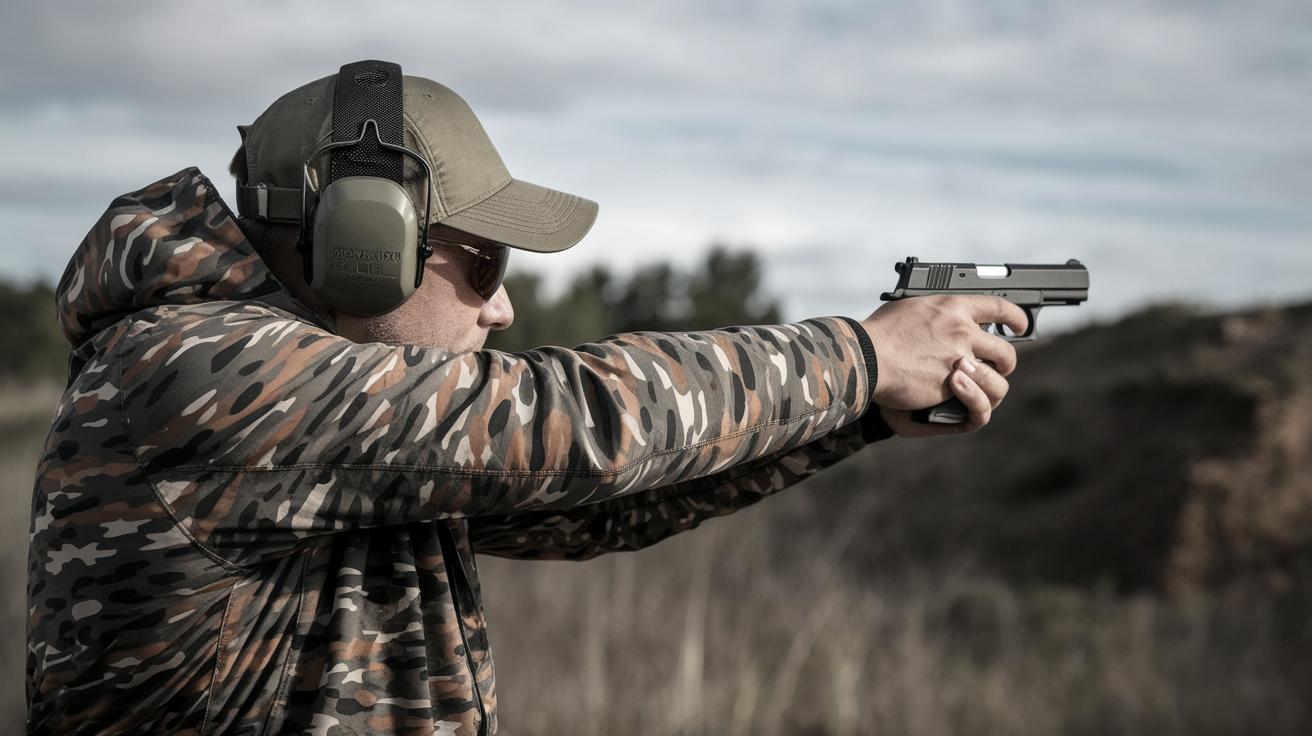
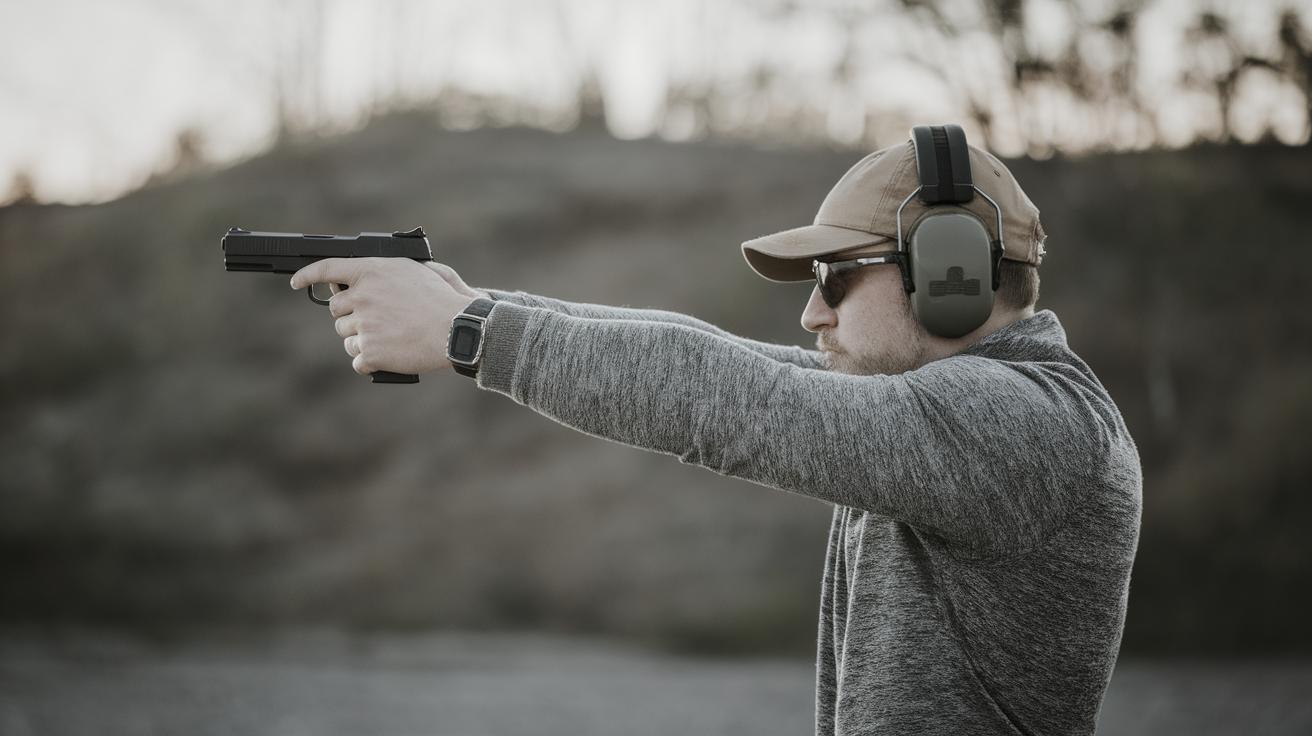
The “Power Stance” is the foundation of all shooting techniques, providing stability and balance. To assume this stance, start by standing with your feet shoulder-width apart, one foot slightly ahead of the other. This position not only offers stability but also distributes your weight evenly, enhancing your ability to absorb recoil.
It’s essential to keep your knees slightly bent to allow for natural movement. Think of the power stance as a way to ground yourself; it acts as your anchor during shooting. Consistent practice in this stance will lead to a natural ability to adapt your posture and maintain balance, increasing your shooting effectiveness.
High Hand Grasp
A “High Hand Grasp” is crucial for controlling the gun’s recoil and ensuring accuracy. Place your dominant hand as high as possible on the backstrap of the gun. This position reduces muzzle rise during a shot, ensuring that your sights realign faster for subsequent shots.
Ensure that your non-dominant hand complements your grip by pressing firmly against the dominant hand. This creates a vice-like grip, adding stability and control. Practicing this grip regularly at the range will make it instinctive, helping you maintain control over the firearm in various shooting scenarios.
Hard Grip
The “Hard Grip” technique involves applying firm pressure with both hands around the gun’s handle, allowing you to manage recoil and maintain accuracy. A strong grip ensures better control and less muzzle flip, which is vital for both rapid firing and precision shooting.
Avoid over-gripping, as it can induce shaking. The balance comes from consistent practice; feel the natural pressure point where seizing control of the gun feels firm yet relaxed. Witnessing how competitors or instructors manage their grip can provide further insights, helping you perfect this vital component of shooting.
Front Sight
Focusing on the “Front Sight” is integral to aiming and ensuring accuracy. Your eyes should concentrate primarily on the front sight rather than the target or rear sights, which should appear slightly blurred. This focus helps in aligning your shot correctly with the target.
Practice transitioning from the rear sight to the front sight quickly and smoothly. Engage in exercises that develop muscle memory, so your sight picture becomes a natural reflex. This concentration can mean the difference between hitting or missing your target, especially over longer distances.
Smoothly Roll the Trigger
“Smoothly Roll the Trigger” is fundamental to shot accuracy. Instead of jerking the trigger, apply smooth, consistent pressure until the gun fires. This technique minimizes the pistol’s movement and aligns the shot to follow your aim efficiently.
Dry firing exercises, without ammunition, can enhance this technique. Regularly practicing the trigger pull will build muscle memory, reducing the likelihood of anticipation or flinching – common mistakes that affect accuracy.
Some Suggestions
Consistent practice is key when learning to shoot. Regular visits to the shooting range will help develop your skills and comfort with handling firearms. Additionally, investing in professional training can provide tailored insights into your technique, helping correct any errors early on.
Safety should always be your top priority. Familiarize yourself with firearm laws and regulations in your area, and always wear appropriate protective gear. Joining a shooting club can offer opportunities to learn from seasoned shooters and participate in community events, broadening your experience.
Final Thoughts
| Technique | Description |
|---|---|
| Power Stance | Feet shoulder-width apart, one foot forward, knees slightly bent for stability. |
| High Hand Grasp | Dominant hand high on backstrap for recoil control, with the non-dominant hand supporting. |
| Hard Grip | Firm grip to manage recoil, without over-gripping to induce shaking. |
| Front Sight | Focus on the front sight for accuracy, make target and rear sights slightly blurred. |
| Smoothly Roll the Trigger | Apply smooth, consistent pressure without jerking the trigger. |
Leave a Reply
If you have experiences, suggestions, or questions about learning to shoot, feel free to leave a comment below. Engaging with fellow enthusiasts can provide new insights and learning opportunities.