Mastering the Art of Hand Shooting a Gun
Shooting a gun accurately and confidently is a skill that combines technique, practice, and focus. This guide breaks down essential aspects of hand shooting, providing insights into the fundamentals and advanced techniques to enhance your proficiency. From understanding the power stance to perfecting your grip and sight alignment, each section offers valuable tips for both novice and experienced shooters. With a commitment to safety and effectiveness, these strategies will help you improve your shooting skills, ensuring you are prepared for both recreational and defensive scenarios.
Related Stories
Exploring the world of shooting sports can open up a myriad of related interests and stories, each enriching the experience in unique ways. Whether you’re intrigued by competitive shooting events, the history of firearms, or advancements in gun technology, these complementary topics offer deeper insights into the shooting culture.
For example, the rise of women in shooting sports showcases an inspiring narrative of empowerment and skill. Similarly, the evolution of firearm safety protocols highlights the ongoing commitment to responsible gun ownership. Engaging with these stories not only broadens your knowledge but also fosters a more informed and respectful approach to hand shooting.
Most Popular
Within the realm of hand shooting, certain techniques and practices have gained popularity due to their effectiveness and reliability. Understanding these trends can help you adopt proven methods that enhance your skills and performance.
Popular techniques often include variations in grip styles, sight adjustment innovations, and personalized training regimens. These methods are embraced by shooting enthusiasts worldwide, reflecting a collective pursuit of excellence. By exploring these popular approaches, you can find inspiration and guidance in your own shooting journey.
Contents
- The “power stance”
- High hand grasp
- Hard grip
- Front sight
- Smoothly roll the trigger
- Some suggestions
The “power stance”
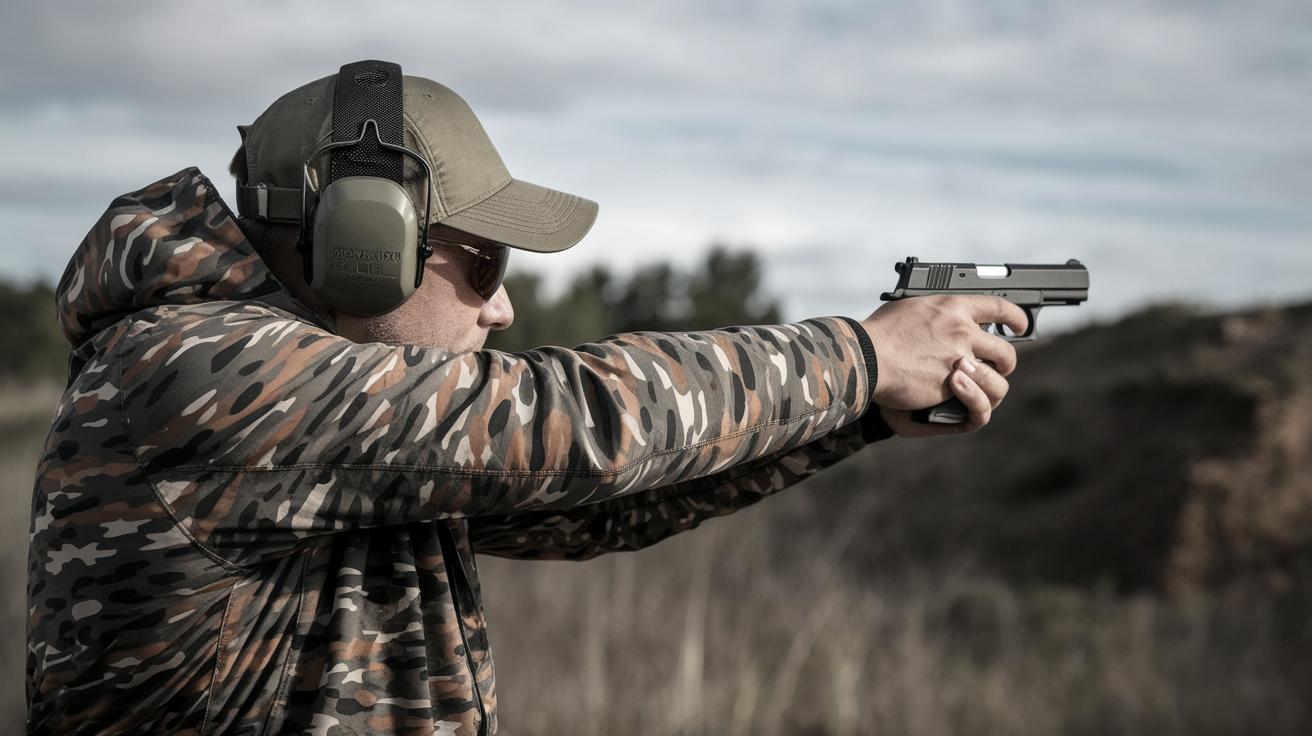
The foundation of effective hand shooting begins with the power stance, a crucial posture that provides balance and control. By positioning your feet shoulder-width apart and slightly angling your strong foot back, you create a stable base to absorb recoil and maintain steadiness.
This stance not only aids in stability but also facilitates better weight distribution and mobility. It allows shooters to transition quickly between targets while maintaining accuracy. Practicing the power stance regularly is fundamental to developing a solid and confident shooting foundation.
High hand grasp
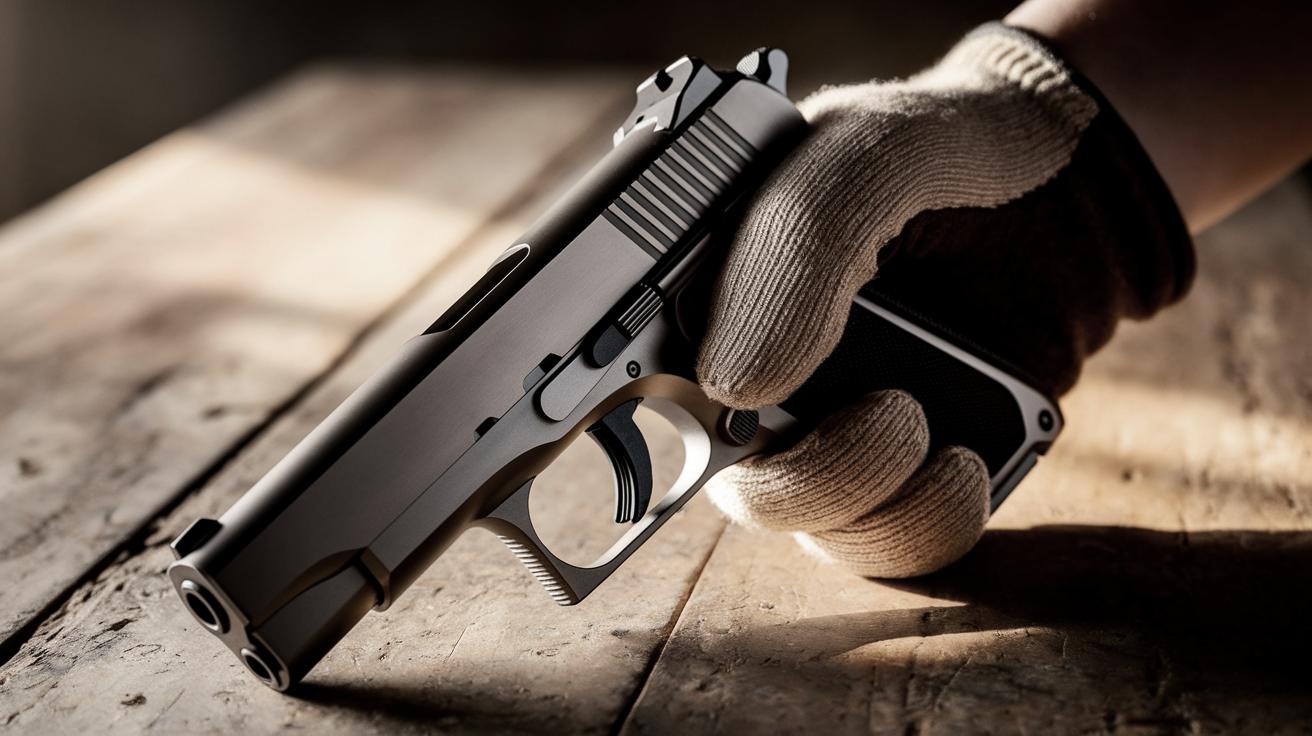
Achieving a high hand grasp refers to raising the hand as high as possible on the backstrap of the firearm. This positioning minimizes muzzle lift and enhances control over the weapon during discharge.
A high hand grasp is crucial for managing recoil, ensuring that follow-up shots can be taken rapidly and accurately. By maintaining a secure grip, shooters can focus on sight alignment and trigger control, improving overall shooting precision.
Hard grip
The concept of a hard grip emphasizes the importance of controlling the firearm through firm pressure from your hands. This helps to keep the gun steady and maintain alignment with your sights, even under the stress of firing.
An effective grip involves using both hands with coordinated pressure, ensuring stability during shooting. It’s essential to practice this grip to maintain accuracy and reduce muzzle rise, making shooting both safer and more precise.
Front sight
Focusing on the front sight is a key element in achieving accurate shots. The front sight should be aligned squarely within the rear sight notch, with equal light visible on either side.
Keeping your eyes trained on the front sight rather than shifting focus can dramatically improve shot placement. By prioritizing a clear sight picture, shooters can enhance their ability to hit the target consistently.
Smoothly roll the trigger
An essential aspect of accurate shooting is mastering trigger control, specifically the technique of smoothly rolling the trigger. This involves applying steady pressure on the trigger without jerking or flinching, promoting consistent shot placement.
By practicing controlled trigger pulls, shooters can reduce the likelihood of anticipating recoil, which often leads to errant shots. This technique is vital for developing a smooth and effective shooting rhythm.
Some suggestions
To refine your hand shooting skills further, consider incorporating dry fire practice into your training routine. This technique allows you to practice sight alignment and trigger control without live ammunition.
Additionally, seeking feedback from experienced shooters or enrolling in shooting courses can provide valuable insights and accelerate your learning process. Embracing regular practice and a commitment to safety will ensure continuous improvement in your shooting capabilities.
LEAVE A REPLY
Your thoughts and experiences as part of the shooting community are invaluable. Whether you’re sharing tips, asking questions, or offering feedback, engaging in discussions helps enrich the collective knowledge. We welcome your replies and encourage open dialogue to foster a supportive and informed environment.
Final thoughts
| Technique | Purpose |
|---|---|
| The “power stance” | Provides stability and control for accuracy. |
| High hand grasp | Minimizes muzzle lift and enhances control. |
| Hard grip | Maintains gun stability with firm pressure. |
| Front sight focus | Improves shot placement with clear alignment. |
| Smooth trigger roll | Enhances accuracy through controlled firing. |
| Suggestions | Includes dry fire practice and training for improvement. |