
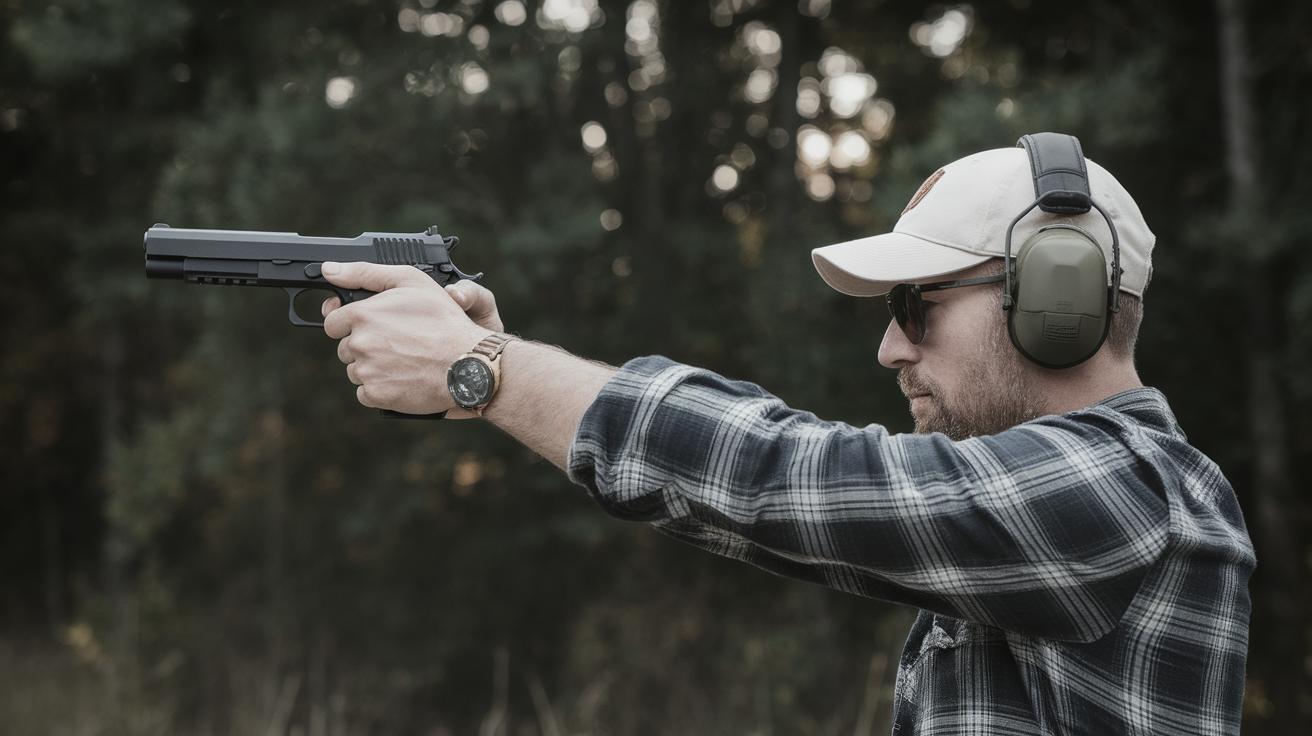
How to Hold a Gun Properly for Safety and Accuracy
Understanding how to properly hold a gun is crucial for both safety and accuracy. Whether you’re a beginner or an experienced shooter, the fundamentals of a good grip cannot be overlooked. This guide will walk you through the essential techniques needed to maintain control and precision. From the importance of a two-handed grip to managing your breathing and trigger control, each step builds upon the next to ensure a safe and effective shooting experience. You’ll also discover common mistakes and how to avoid them as you practice your shooting skills. Let’s dive into the specifics of how to hold a gun safely and effectively.
Use Two-handed Grip
The foundation of proper gun handling starts with a strong, stable grip, and employing a two-handed method is favored for maximum control. This technique involves using both hands to stabilize the gun, which helps in managing recoil and improving accuracy. The dominant hand should hold the gun firmly, with the thumb pointed forward, while the non-dominant hand wraps around to support.
This approach not only provides enhanced control but also distributes the weight of the firearm evenly across both hands. When using two hands, it’s easier to align the sights and maintain focus on the target. Practice is key to mastering this grip, as developing muscle memory will facilitate better performance under various conditions.
Find the Right Grip Strength
Grip strength is a critical element in handling a firearm effectively. Too tight a grip can lead to shaking and decreased accuracy, while too loose a grip might fail to manage the recoil effectively. The ideal grip strength is firm yet fluid, allowing for quick adjustments and steady aim.
To find the right balance, experiment with different grip tensions during practice sessions. Pay attention to your hand muscles; they should remain relaxed but engaged. Over time, you’ll develop an intuitive understanding of the appropriate grip strength needed for stability and precision.
Place One Hand Under the Other
Once the dominant hand is properly gripping the firearm, the support hand plays a crucial role in enhancing stability. Place the palm of the support hand against the grip with fingers wrapping securely around the dominant hand. This additional support aids in stabilizing the firearm, allowing for smoother tracking of moving targets.
The positioning of the support hand can greatly impact your shooting speed and accuracy. Ensure that the fingers do not interfere with the trigger operation or trigger guard movements. Consistently practicing this hand placement will improve your shooting technique and reduce fatigue during prolonged sessions.
Use Opposite Forces
Applying opposite forces is a technique used to add further stability to your grip. This involves applying forward pressure with the dominant hand while simultaneously applying backward pressure with the support hand. This method helps in dampening the recoil and maintaining a steady aim.
This tension between the hands allows for quick recovery after each shot, enabling faster target reacquisition. Practicing this technique can significantly enhance your ability to maintain control, especially when firing multiple rounds. Keep both arms slightly bent and relaxed, allowing the gun to work naturally with your body’s movements.
Top of the Barrel Up, Bottom of the Handle Down
Positioning the firearm correctly is as important as the grip itself. To achieve this, imagine pointing the top of the barrel slightly upwards, aligning it with your line of sight, while keeping the bottom of the handle angled slightly downwards. This angle ensures a natural point of aim and helps in quickly acquiring targets.
Visualize a straight line from your eye, through the sights, and to the target. Adjust the angle and orientation of the gun until this line is straight and unobstructed. Regular practice will make this positioning intuitive, thereby reducing the time it takes to aim accurately.
Control Your Breathing
Steady breathing is a subtle but essential aspect of good shooting technique. Rapid or uneven breathing can cause slight body movements, which can affect accuracy. Learn to shoot during the natural respiratory pause, which occurs at the bottom of an exhale when the body is momentarily at rest.
Incorporate breathing exercises into your practice routine to develop control and tranquility. This practice not only enhances your focus but also contributes to reducing anxiety and increasing overall shooting performance.
Pull the Trigger Slowly
Squeezing the trigger is often the most critical moment in the shooting process. A rushed or jerky pull can disrupt your aim and lead to inconsistent results. Instead, aim for a slow, smooth trigger pull that surprises you when the shot breaks—this approach enhances precision and timing.
Consistent practice is vital here. Through regular dry-firing and live-round practice, your trigger control will improve over time, leading to better shot placement and a more refined shooting style.
Final Thoughts on How to Hold a Handgun
Mastering how to properly hold a handgun involves understanding biomechanics, practice, and discipline. It serves not only as a foundation for safe handling but also as a path to improving shooting accuracy and confidence. As you refine your grip, don’t forget to regularly reinforce these fundamentals.
Remember, safe handling is paramount and should always be your top priority. Take the time to routinely evaluate your technique and seek feedback from experienced professionals. The investment in proper training will pay dividends in both enjoyment and proficiency.
1 comment
John Doe: Great article, very informative! The tips on grip strength and using opposite forces really helped improve my accuracy.
Leave a comment
Next Steps
| Aspect | Summary | Benefit |
|---|---|---|
| Two-handed Grip | Use both hands for stability and control. | Enhanced accuracy and reduced recoil. |
| Grip Strength | Balance firmness without tension. | Improved control and comfort. |
| Hand Placement | Support hand under dominant hand. | Greater stability and less fatigue. |
| Opposite Forces | Forward pressure with dominant, backward with support hand. | Quick recovery and steady aim. |
| Barrel Positioning | Proper aiming alignment. | Faster target acquisition. |
| Breathing Control | Coordinate shooting with breath. | Increased accuracy and focus. |
| Trigger Control | Slow, smooth trigger pull. | Precise shot placement. |