Guide to Safely Handing a Firearm to Someone
Properly transferring a firearm to another individual is a critical skill in firearm safety and handling. This blog post will guide you through the necessary steps to ensure the safe and responsible transfer of a firearm. We’ll discuss the importance of safety checks, appropriate handling techniques, and how to communicate effectively during the transfer. Whether you are a seasoned firearm enthusiast or new to handling firearms, understanding these guidelines is essential for ensuring everyone’s safety. Let’s delve into the specifics of this vital process.
Understanding the Importance of Gun Safety
Gun safety is paramount and understanding its significance is the foundation of responsible firearm ownership. Every year, accidents occur that could have been avoided with proper education and adherence to safety protocols. Handing a gun to someone may seem straightforward, but it demands careful consideration and respect for the weapon’s potential risks.
Firearm safety training often begins with the cardinal rules: treating every gun as if it’s loaded, keeping your finger off the trigger until ready to shoot, and ensuring the muzzle is pointed in a safe direction. When handing a firearm to another person, these principles become even more crucial, as multiple individuals are involved in the transaction.
Preparing the Firearm for Handover
Before handing a gun to someone, conduct a thorough safety check. Ensure the firearm is unloaded by removing the magazine if applicable, and inspecting the chamber for any ammunition. Visually and physically checking the chamber twice is advisable to guarantee no rounds remain.
In addition to unloading the firearm, securing any safeties is vital to minimize the risk of an accidental discharge. If the firearm has an external safety, engage it. This additional step, while basic, is often overlooked during casual transfers but plays a significant role in accident prevention.
Appropriate Handling Techniques
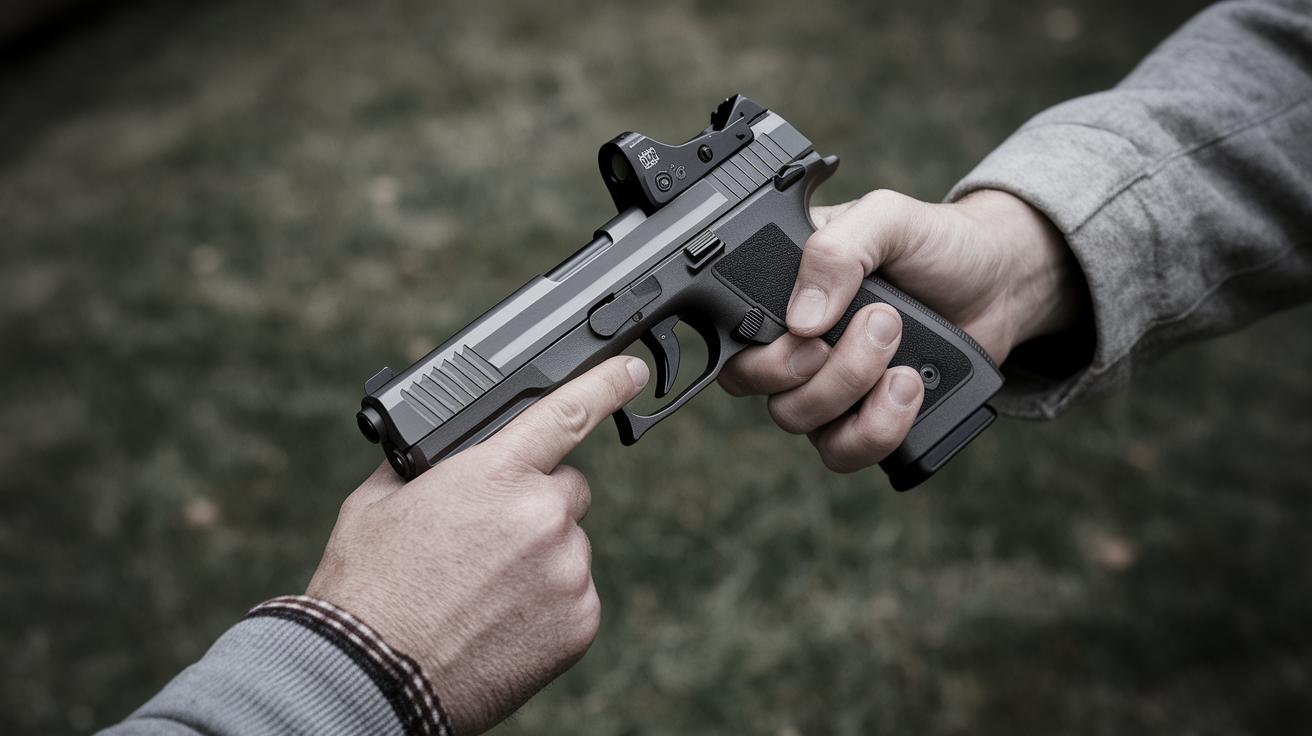
When handing over a firearm, hold it in a manner that naturally facilitates a safe and clear transfer. Always point the muzzle in a safe direction, away from yourself and others. Use one or both hands to offer the firearm, depending on its size and weight, ensuring a firm and secure grip.
It’s essential to remain mindful and deliberate in your movements, avoiding any sudden or erratic actions. Communication between both parties is key, as it ensures understanding and cooperation during the transfer. Clearly state your intentions and confirm that the receiver is ready to take control of the firearm.
Communicating During the Transfer
Clear and precise communication during the handover process minimizes the risk of misunderstandings. Before making the transfer, make eye contact with the recipient and verbally confirm that they are prepared to take the firearm. This pause allows both parties to mentally prepare and ensures they are in sync.
Using simple, direct language, such as “Are you ready to receive the firearm?” or “I am handing you the gun now,” can smooth the process. The recipient should acknowledge their readiness, and after the handover, both parties should confirm the safety status of the firearm, reinforcing mutual understanding.
Final Thoughts
The process of handing a firearm to someone is a serious responsibility that underscores the importance of education, preparation, and communication. By applying these principles, individuals can ensure that their firearm practices are safe and efficient, reducing the likelihood of accidents.
As part of a larger commitment to safety, these guidelines facilitate an environment of mutual respect and care among firearm users. Continual practice and adherence to these steps help embed responsible habits that promote the well-being of all individuals involved in firearm activities.
| Section | Summary |
|---|---|
| Understanding the Importance of Gun Safety | Discusses the critical nature of firearm safety and the foundational rules in handling and transferring firearms. |
| Preparing the Firearm for Handover | Outlines the procedures for ensuring a firearm is unloaded and safe for transfer, including engaging safeties. |
| Appropriate Handling Techniques | Explains how to physically pass a firearm safely, emphasizing muzzle direction and firm grip. |
| Communicating During the Transfer | Highlights the importance of clear communication to ensure that the transfer is smooth and understood by both parties. |
| Final Thoughts | Reflects on the importance of responsible firearm handling and the lasting impact of safe practices. |