
First Time Shooting a Gun: What to Expect and Lessons Learned
The experience of shooting a gun for the first time can be both exhilarating and intimidating. It involves understanding basic gun safety protocols, choosing the right firearm, and learning how to properly handle and shoot it. This blog post delves into the details of a first-time shooting experience, breaking it down into manageable steps and providing personal insights to help you prepare for your own adventure. Through exploring initial experiences, safety, equipment selection, and the shooting process, this post aims to demystify the activity for novices and lay a foundation for responsible, enjoyable shooting practices.
The Initial Experience
Stepping into a shooting range for the first time can be an overwhelming sensation. The atmosphere is filled with unfamiliar sights, sounds, and smells, all of which can be intimidating to a beginner. The vast array of firearms, the sound of gunfire, and the smell of gunpowder can be daunting. However, this environment is also meticulously controlled for safety and designed to offer guidance and support to newcomers. Staff at ranges are typically very knowledgeable and eager to help guide you through the experience.
The anticipation of handling a gun can lead to a mix of excitement and anxiety. It’s essential to enter this experience with an open mind and a willingness to learn. Many ranges offer beginner courses that are highly recommended for first timers. These courses not only teach you how to handle firearms safely but also share the foundational principles of marksmanship. The goal is to transform your initial nervousness into confidence and excitement about learning a new skill.
Understanding Gun Safety
Safety is paramount when it comes to shooting a gun. Before you handle any firearm, it’s critical to familiarize yourself with the basic rules of gun safety. The fundamental commandments include treating every gun as if it were loaded, always pointing the gun in a safe direction, keeping your finger off the trigger until ready to shoot, and ensuring the target and surrounding area is safe before firing. These principles are the backbone of responsible gun handling and must be adhered to at all times.
Most shooting ranges mandate a brief safety orientation before allowing you on the range. During this session, instructors often emphasize the importance of these rules and teach you how to navigate the range safely. Following these guidelines not only ensures your safety but also the safety of others around you. The emphasis on safety cannot be overstated, as it lays the groundwork for a positive shooting experience.
Choosing the Right Firearm
When selecting a firearm for the first time, it’s important to consider size, weight, and caliber. Beginners often opt for smaller caliber handguns, such as a .22 or a 9mm, which tend to have less recoil and are easier to handle. Your choice should be based on personal preference as well as physical comfort and safety. Many ranges offer rentals, allowing you to try different firearms to find the one that best suits your needs.
It’s also essential to pay attention to the fit of a firearm in your hand. Proper grip and comfort can significantly affect your shooting accuracy. An experienced instructor can help guide you in selecting a gun that feels right in your hands, which is a vital aspect of achieving a comfortable shooting experience. Remember, the focus should remain on learning and enjoyment, so choose a firearm that makes you feel confident and at ease.
The Shooting Process
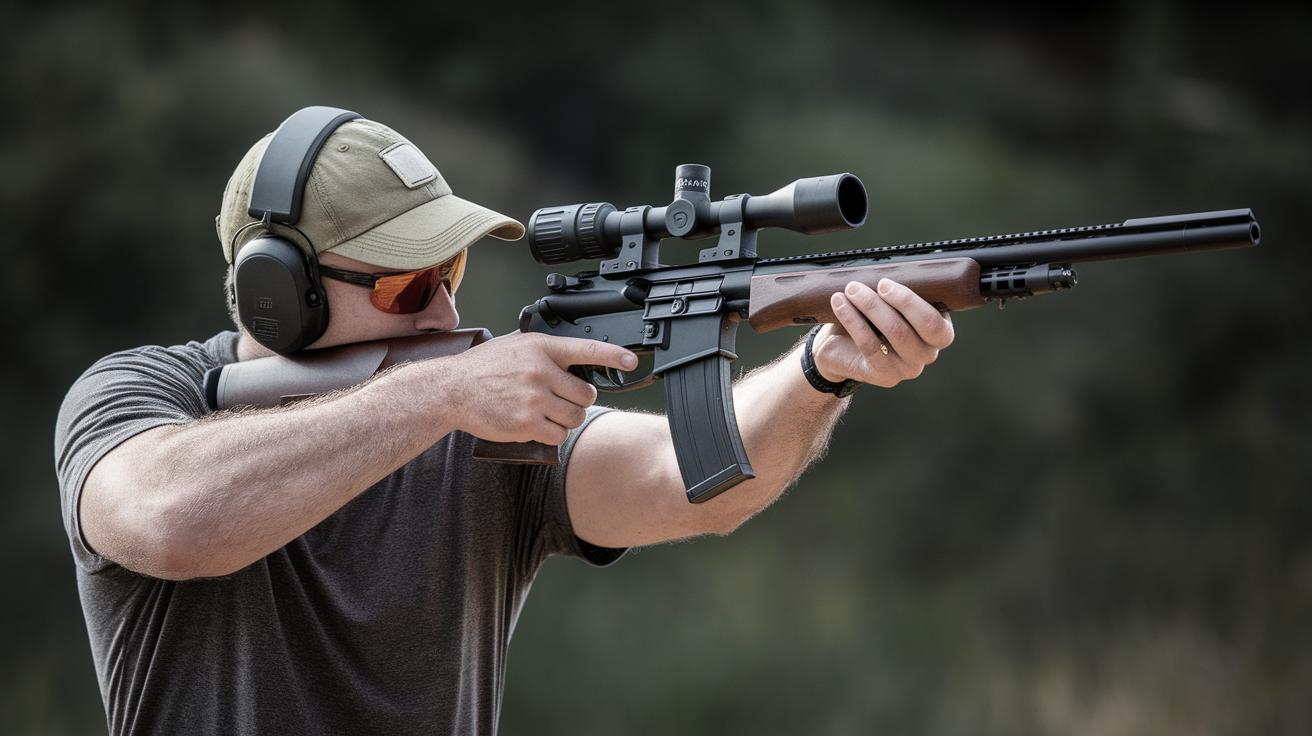
Once you have selected a firearm and are familiar with safety measures, you’re ready to start shooting. The process begins with learning to aim correctly. This involves using the sights on the gun, focusing on the target, and aligning your shot. Instructors typically teach you to align the front and rear sights, ensuring they are level and centered. This foundational skill is essential for accurate shooting.
Trigger control is another crucial component of shooting. Gentle, smooth pressure should be applied to the trigger to avoid jerking the gun and misplacing the shot. Experienced instructors often emphasize the importance of breathing steadily and remaining calm, as it can greatly influence shooting accuracy. With practice, these techniques become more intuitive, fostering a sense of satisfaction and accomplishment with each successful shot.
Lessons Learned
Embarking on your first shooting adventure equips you with valuable skills and knowledge that extend beyond just the shooting range. It opens up an understanding of the discipline and concentration required and offers a unique form of recreation and personal development. Beginners often realize the importance of patience and practice in mastering the use of firearms.
With your initial experience, you also gain a deeper appreciation for firearms’ power and importance of responsible handling. Many find that shooting fosters a focus and precision that can be both meditative and exhilarating. Armed with the basic skills and safety knowledge, first-timers usually leave the range with a newfound respect for the skill it takes to shoot accurately and the enjoyment that can come from learning something new.
| Section | Content Summary |
|---|---|
| The Initial Experience | Explores the overwhelming yet supportive nature of the first-time shooting experience at a range and the transformation of initial nervousness into excitement. |
| Understanding Gun Safety | Focuses on the fundamental rules of gun safety and the importance of understanding and following them to ensure a safe shooting environment. |
| Choosing the Right Firearm | Discusses the key factors in selecting a first-time firearm and emphasizes the importance of comfort and personal preference in making a choice. |
| The Shooting Process | Covers the basics of shooting, including aiming, controlling the trigger, and the importance of calmness and breathing in achieving shooting accuracy. |
| Lessons Learned | Reflects on the skills and knowledge gained from the first shooting experience, highlighting patience, respect for gun handling, and personal growth. |