Understanding the Mechanics of Firearms
Guns have played a significant role in history and continue to be a topic of debate and interest. Understanding how guns work, from the mechanics of triggering to the various types of guns like semi-automatic pistols and revolvers, is essential for enthusiasts and anyone interested in the topic. This article delves into the operational intricacies of firearms, examining their components, mechanisms, and how they have evolved over time. With a closer look at the function of guns, one can appreciate the engineering marvel that they are and understand their implications in modern society.
Semi-automatic Pistols
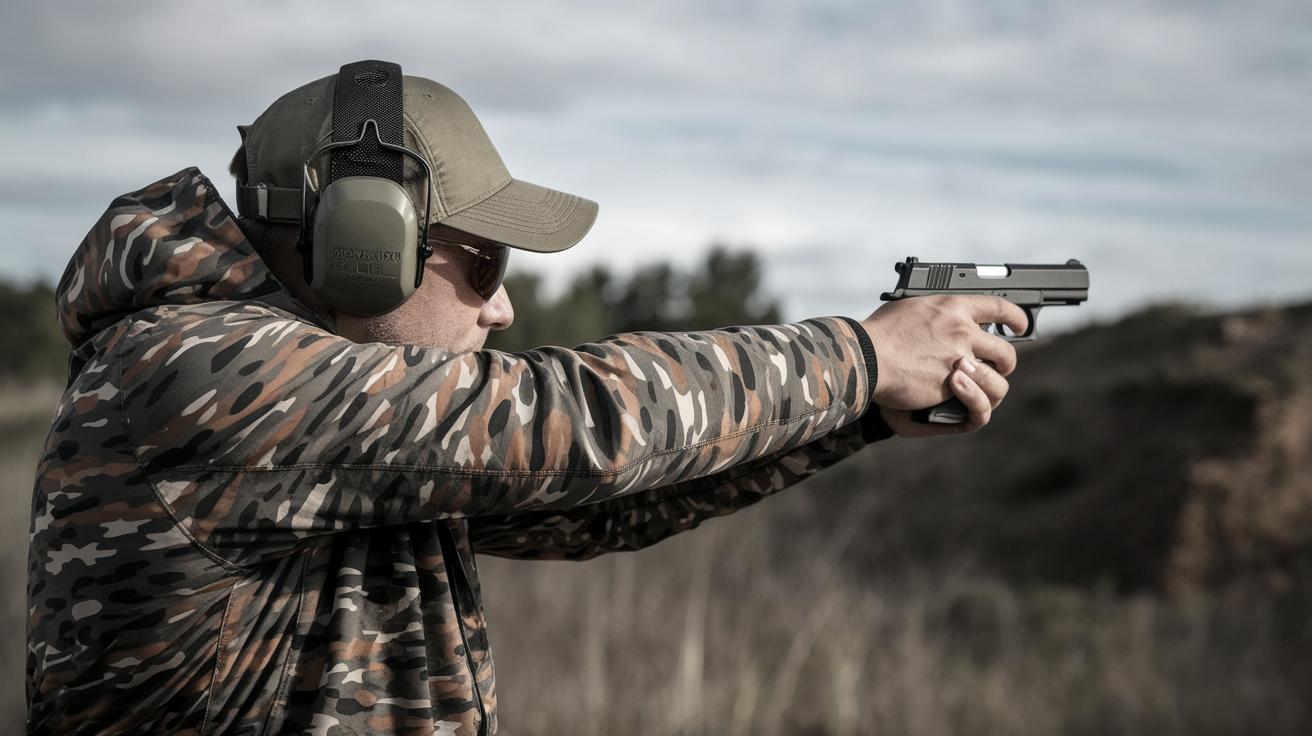
Semi-automatic pistols are one of the most widely used firearms today, prized for their balance of power and ease of use. These pistols automatically chamber the next round after the previous one has been fired, utilizing the energy from the recoil to perform this task. This cycle allows the user to fire bullets in quick succession by repeatedly pulling the trigger, without needing to manually cycle the action. The design of semi-automatic pistols typically includes a magazine that holds multiple cartridges, facilitating rapid reloads and extended use during operational scenarios.
The construction of these pistols involves several key components: the frame, slide, barrel, and magazine. Each plays a pivotal role in the gun’s operation. The frame houses the trigger mechanism and serves as the foundation for the pistol’s structure. The slide contains the firing pin and moves back and forth, driven by the recoil to eject spent casings and chamber new rounds. A robust spring mechanism ensures the slide returns to its original position, ready for the next shot. Innovation in materials and ergonomics has continuously improved semi-automatic pistols, making them lighter, more accurate, and more user-friendly.
Revolvers
The revolver stands as an iconic symbol in firearms history, renowned for its simplicity and reliability. A revolver features a cylinder that rotates with each pull of the trigger, aligning a new chamber with the barrel and allowing successive shots. This design eliminates the need for a magazine, with ammunition stored directly in the cylinder. The construction of revolvers varies, with two main types: single-action, where the hammer must be manually cocked before each shot, and double-action, which does both the cocking and firing with one trigger pull.
Revolvers are appreciated for their straightforwardness and durability. They are less prone to jamming and can be a preferred choice in situations where reliability outweighs the need for rapid fire capabilities. With advancements in materials and manufacturing, modern revolvers can withstand intense pressures and are crafted with precision for improved firing accuracy. Despite being overshadowed by semi-automatic pistols in certain applications, revolvers maintain a dedicated following among gun enthusiasts and collectors who value their storied past and mechanical elegance.
Trigger Mechanism
The trigger mechanism is the heart of a firearm’s operation, initiating the firing sequence. A trigger pull releases the hammer or striker to ignite the primer of a cartridge, setting off the chain reaction that propels the bullet forward. Different firearms feature varying trigger mechanisms that affect the gun’s firing properties. The weight of the trigger pull, travel distance, and reset all contribute to the shooter’s experience and can be tailored to specific applications, from tactical use to target shooting.
Single-action triggers, common in revolvers, need the hammer to be manually cocked first, resulting in a lighter trigger pull. Double-action triggers, available in both revolvers and semi-automatic pistols, cock and release the hammer in one motion, requiring more force and offering a safety benefit. Additionally, many modern firearms include safety features integrated into the trigger mechanism to prevent accidental firing. Understanding these mechanisms is crucial for both operational proficiency and safe handling of firearms.
Related HowStuffWorks Links
For those who wish to delve deeper into the specifics of firearms and their operational principles, additional resources are available. HowStuffWorks offers detailed insights into various aspects of guns, from historical advancements to technological innovations that have redefined gun mechanics. Topics covered include:
Future Prospects
| Type of Gun | Mechanism | Key Features | Prospects |
|---|---|---|---|
| Semi-automatic Pistols | Automatic chambering via recoil | Magazine-fed, multiple rounds | Continual refinement in materials and design for enhanced performance |
| Revolvers | Cylinder rotation for round chambering | Simple, reliable, less prone to jams | Advancements in precision and durability |
| Trigger Mechanism | Single and double-action variations | Affects firing properties and safety | Innovations in trigger designs for improved control and safety |