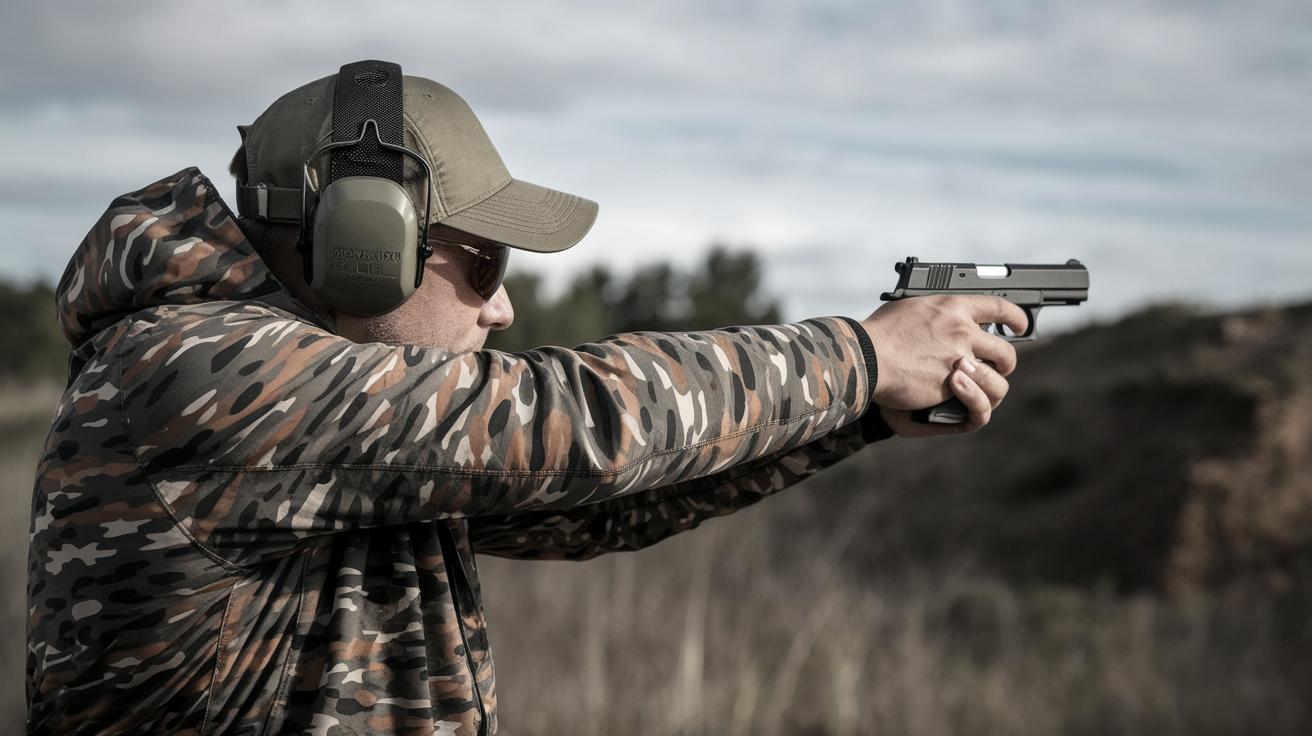
How Do Guns Shoot: Understanding the Mechanics Behind Firearms
Guns are intricate machines with a fascinating mechanism that has evolved over centuries. Understanding how guns shoot involves a look into different types of firearms and their unique operations. This blog post delves into the fundamental aspects of gun mechanics, focusing specifically on trigger mechanisms, the workings of semi-automatic pistols, and revolvers. Each section provides detailed insights into how these guns function, bringing clarity to the often mysterious inner workings of firearms. Whether you are a curious enthusiast or a seasoned gun aficionado, this exploration into the mechanics of guns will deepen your appreciation for their engineering marvels.
Trigger Mechanism
The trigger mechanism is the heart of any firearm, acting as the catalyst that initiates the firing process. When the trigger is pulled, it releases the hammer or striker, which then hits the firing pin. This action ignites the primer located at the base of the cartridge, creating a controlled explosion. This explosion forces the bullet out of the barrel at high speed, propelling it towards its target. The trigger mechanism, thus, is critical to the operation of the gun, ensuring that each shot is executed safely and effectively.
Different firearms employ various types of trigger mechanisms, each offering distinct advantages and handling characteristics. Single-action triggers, for instance, require manual cocking of the hammer before firing, whereas double-action triggers automatically cock the hammer when the trigger is pulled, offering a quicker and simpler firing process. Innovations in trigger technology continue to shape modern firearms, with adjustable and electronic triggers enhancing precision and control for shooters.
Semi-automatic Pistols
Semi-automatic pistols are a popular choice among gun enthusiasts, known for their ability to fire one bullet with each trigger pull without the need for manual cycling. The operation of a semi-automatic pistol is a marvel of mechanical engineering, involving a sequence of events that reload the chamber after each shot. When the trigger is pulled, the firing pin strikes the primer, igniting the gunpowder. The resultant explosion propels the bullet forward, while simultaneously cycling the slide back. This backward motion ejects the spent cartridge and chambers a new round, preparing the pistol for the next shot.
The seamless operation of semi-automatic pistols relies heavily on the efficiency of its magazine and the design of the firearm. Magazines store the ammunition and feed them into the chamber through a spring-loaded mechanism. This aspect of semi-automatic pistols sets them apart from revolvers, offering higher ammo capacity and quicker reload times. These attributes make semi-automatic pistols versatile for various uses, from self-defense to competitive shooting.
Revolvers
Revolvers are timeless firearms that operate on a different mechanism compared to semi-automatic pistols. Characterized by their rotating cylinder, revolvers typically hold six rounds in individual chambers. When the trigger is pulled, the cylinder rotates, aligning the next chamber with the barrel. The hammer then strikes the primer of the cartridge, igniting the gunpowder, and firing the bullet. The simplicity and reliability of this system make revolvers a favorite among collectors and traditionalists.
While revolvers may seem mechanically simple, their design presents unique advantages, such as ease of use and maintenance. The absence of a magazine or slide means fewer moving parts, leading to seldom mechanical failures and straightforward operation. Revolvers are also renowned for their ability to chamber powerful calibers, offering substantial stopping power in a compact design. These attributes ensure that revolvers continue to hold a significant place in the world of firearms.
Related HowStuffWorks Links
For those eager to explore further into the mechanics of firearms, HowStuffWorks offers a treasure trove of information. Links to topics such as the science of ballistics, the evolution of firearm technology, and safety features in modern guns provide comprehensive insights. These resources not only enhance understanding but also underscore the importance of responsible gun ownership and handling.
Readers interested in the historical evolution of firearms can delve into detailed articles about the transformation of gun mechanisms over centuries. Additionally, safety articles provide vital tips on how to responsibly handle and maintain firearms, ensuring both user safety and the longevity of these precision machines.
Lessons Learned
| Area | Key Points |
|---|---|
| Trigger Mechanism | Initiates firing; involves hammer/striker and firing pin; types include single-action and double-action. |
| Semi-automatic Pistols | Fire one bullet per trigger pull; employ cycling slide and magazine feed; known for higher ammo capacity. |
| Revolvers | Use a rotating cylinder to align chambers with barrel; simpler design with few moving parts. |
| Related HowStuffWorks Links | Provides further reading on firearm mechanics, safety, and historical development. |