The Proper Way to Hold a Handgun: A Comprehensive Guide
Mastering the art of holding a handgun is crucial for accuracy, safety, and confidence. This detailed guide explores the essential techniques for grasping a handgun properly, emphasizing stability, control, and precision. We will dive into topics such as using a two-handed grip, finding the right grip strength, supporting one hand with the other, and employing opposing forces for balance. We’ll also discuss the importance of positioning the barrel and handle correctly, controlling your breathing, and the importance of a controlled trigger pull. These insights are designed to enhance your handgun handling skills and ensure a safe and effective shooting experience.
Use Two-handed Grip
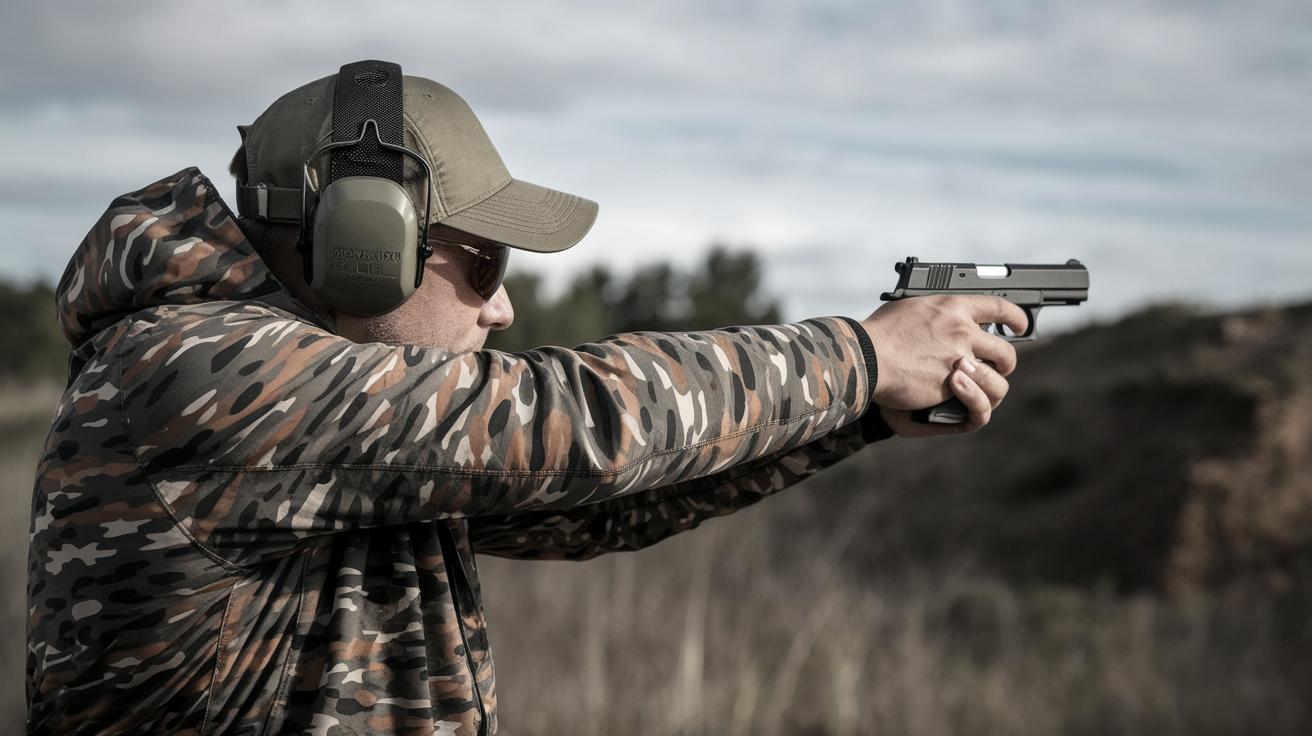
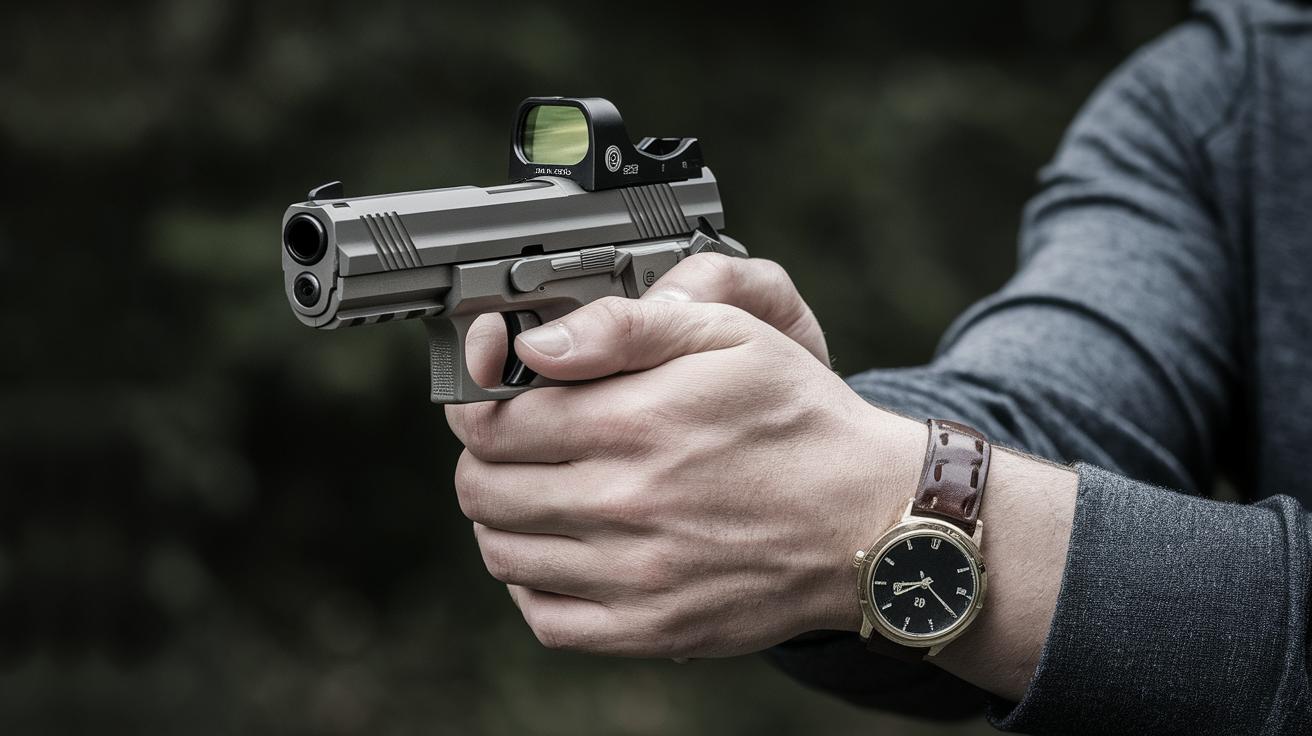
The two-handed grip is foundational for stability and control when handling a handgun. By engaging both hands, you minimize recoil and enhance accuracy. This grip involves placing the dominant hand high on the backstrap of the gun and wrapping fingers around the grip, while the non-dominant hand wraps around the dominant, ensuring the fingers are not obstructing the trigger.
This technique distributes the recoil force evenly across both hands, allowing for better aim. It reduces the chance of the gun moving off target after a shot, facilitating quicker recovery and more consistent shooting. It’s a starting point for beginners and a staple for experienced shooters seeking precise and stable firing.
Find the Right Grip Strength
Grip strength plays a vital role in controlling the handgun’s movement during shooting. Too firm a grip can cause tension and disrupt aim, while too loose a grip can lead to instability and poor shot placement. Strive for a firm but relaxed hold that allows for fluid movement and absorption of recoil.
It’s crucial to practice and adjust your grip strength based on the handgun’s size and weight. Over time, developing the right amount of pressure will become intuitive, improving shooting accuracy and comfort.
Place One Hand Under the Other
Supporting one hand with the other adds balance and enhances the control of the firearm. Position your support hand underneath the gun, using the palm to cradle the handgun and the thumb to apply opposite pressure.
This support system not only aids in controlling recoil but also stabilizes the handgun, making it easier to maintain your target after each shot. Experiment with hand placement to find the most comfortable and stable position for your shooting style.
Use Opposite Forces
Applying opposing forces with your hands is crucial for maintaining the gun’s alignment and reducing muzzle flip. Think of it as pushing with one hand while pulling back slightly with the other, creating a tension that keeps the gun straight and steady.
This technique serves to counteract the involuntary movements that occur during firing, ensuring that your shots hit closer to the intended target. Regular practice will help you master the balance of these opposing forces for better shooting accuracy.
Top of the Barrel Up, Bottom of the Handle Down
Proper positioning of the handgun involves ensuring the barrel points upwards slightly while the bottom of the handle naturally points down. This alignment minimizes wrist strain and aids in faster target acquisition and recoil management.
Better positioning of the barrel helps maintain sight alignment and prevent the gun from shifting during shooting. Consistency in this grip posture is key to developing more reliable and accurate shooting skills.
Control Your Breathing
Breathing control is an often-overlooked aspect of shooting accuracy. By managing your breath, you can reduce body movement and increase precision. Take a deep breath, let it halfway out, and pause before squeezing the trigger to stabilize yourself.
Developing a rhythm for your breathing and coordinating it with your shots can significantly enhance steady aim and focus. Practice mindful breathing techniques to elevate your shooting proficiency.
Pull the Trigger Slowly
Trigger control is essential for shooting accuracy and safety. Taking a slow, deliberate squeeze on the trigger helps prevent jerking that can throw off aim. The goal is to have the shot surprise you when it breaks, ensuring minimal disruption in aim.
Engage in dry firing drills to practice a smooth trigger pull without the anticipation of recoil. This practice can refine your overall trigger discipline and improve accuracy in live-fire scenarios.
Final Thoughts on How to Hold a Handgun
Embracing proper handgun handling techniques is key to improving shooting accuracy, comfort, and safety. Each aspect, from grip strength to trigger control, plays a significant role in cultivating effective shooting practices.
Whether you’re a novice starting on your journey or a seasoned shooter refining your skills, the guidance provided in this article serves as a foundation for excellence in firearm handling. Keep practicing, remain patient, and continue to explore new techniques to enhance your proficiency.
| Key Technique | Description |
|---|---|
| Two-handed Grip | Improves stability and aiming accuracy by engaging both hands for balanced control. |
| Grip Strength | A balanced hold that is firm yet relaxed to allow recoil absorption and maintain aim. |
| Hands Placement | Supporting one hand with the other for optimal firearm balance and recoil control. |
| Opposite Forces | Utilizing push-pull tension between hands to keep the gun steady and on target. |
| Barrel and Handle Positioning | Ensures proper wrist alignment for reduced strain and efficient recoil management. |
| Breath Control | Managing breathing to minimize body movement and enhance shooting precision. |
| Slow Trigger Pull | A steady, deliberate squeeze to avoid anticipation and maintain target accuracy. |
1 comment
JohnDoe87:
Great tips! I found the section on breath control particularly helpful for improving my aim at the range.
Leave a comment